**Disclaimer**
Master Gardeners Grow Shop is an independent online business operated by individuals trained through Cooperative Extension Services Master Gardener and Master Composter programs. We are not affiliated with or endorsed by the U.S. or Canadian Cooperative Extension System or any state Extension Services.
This page contains affiliate links. Master Gardeners Grow Shop is a participant in the Amazon Services LLC Associates Program, an affiliate advertising program designed to provide a means for sites to earn advertising fees by linking to Amazon.com. We earn commissions on qualifying purchases. View full affiliate disclosure(#Affiliate Disclosure)
Starting a backyard vegetable garden can feel overwhelming. You might stare at an empty yard and wonder where even to begin.
This guide walks you through each step of building a productive vegetable garden, from understanding your growing zone and choosing the right spot to managing soil health and dodging common beginner mistakes.
Whether you’ve got a sunny patch with perfect soil or you’re stuck working around shade and soggy spots, you’ll find ways to adapt your garden to your own backyard.
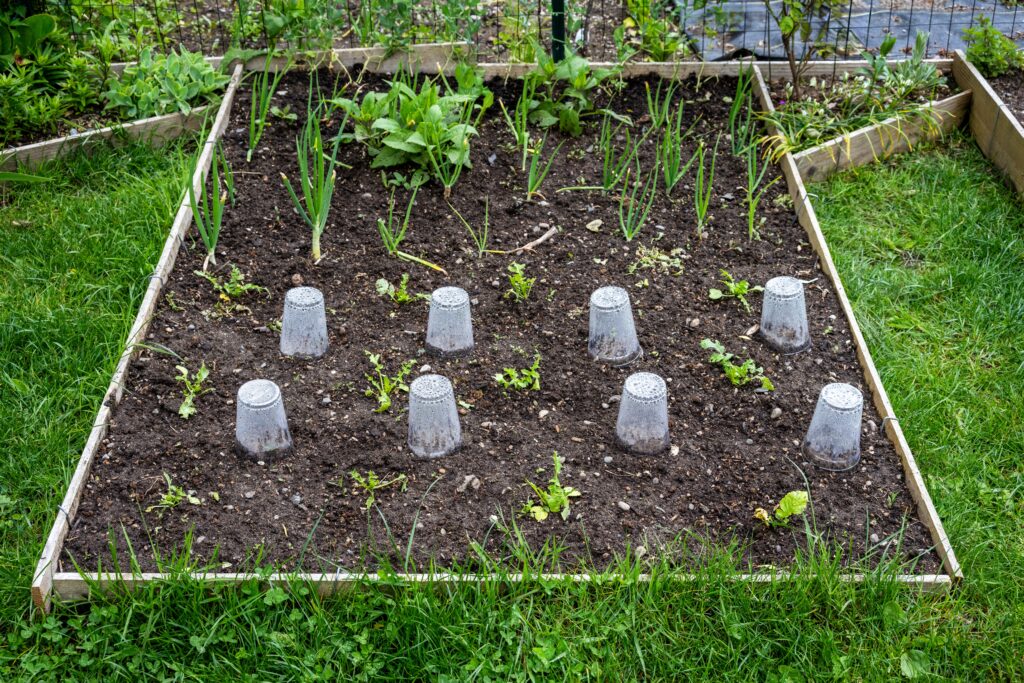
Making wise choices early on gives your garden a real shot at thriving. You’ll get tips on how to read your property’s quirks, pick a garden bed style, and plan crops that actually fit your family’s habits.
The strategies here tackle real-life challenges, like plant spacing, getting your timing right for your climate, and keeping plants healthy without wasting time or money.
From soil testing to pest ID, this resource gives you practical tools for planning and maintaining your garden all season. You’ll see which veggies to plant together, how to head off problems, and what to do when things go sideways.
Assessing Your Backyard and USDA Zone
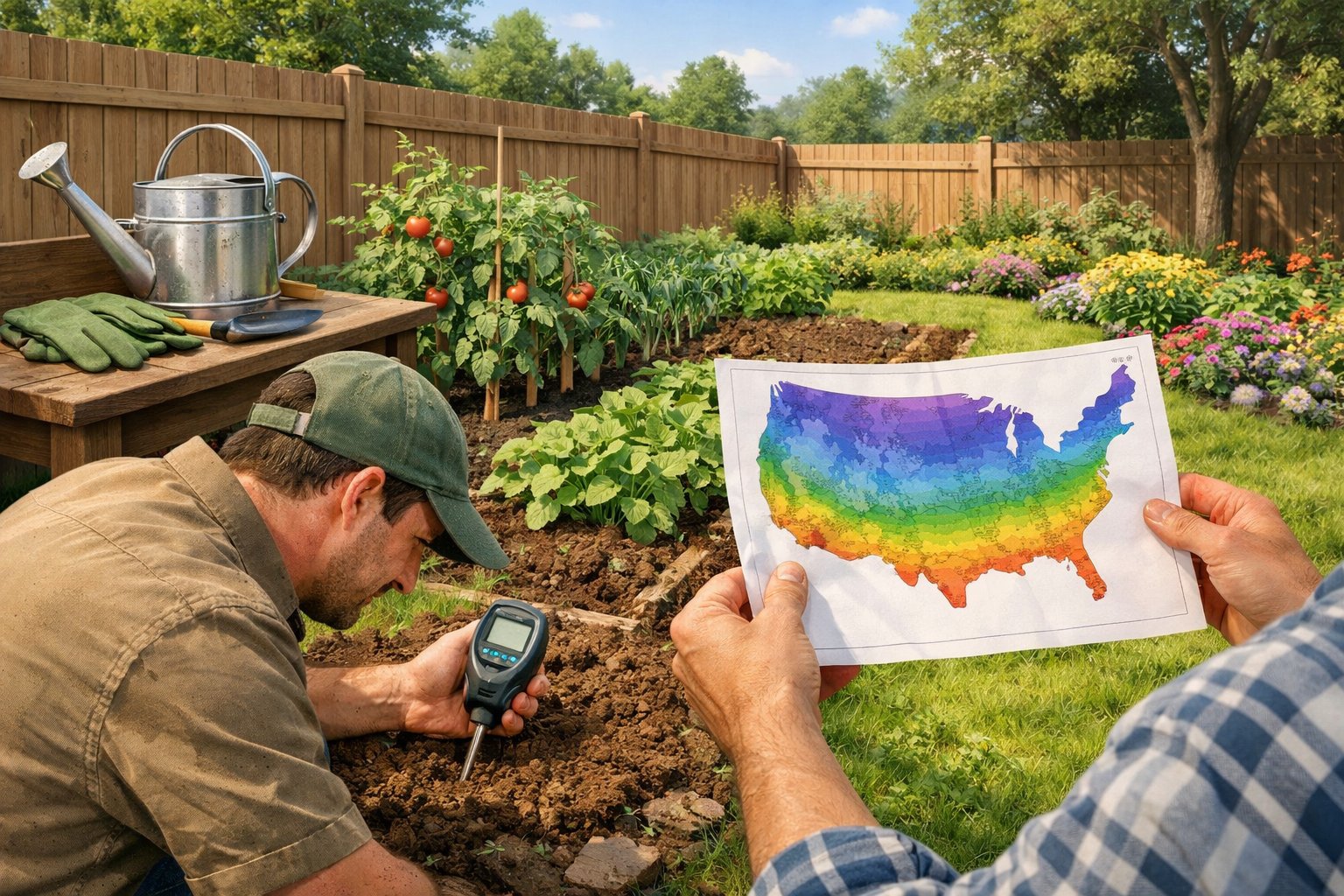
Knowing your plant hardiness zone, sunlight, and soil conditions helps you pick vegetables that’ll actually grow for you. These three things decide which crops will thrive and when you should plant them.
Understanding Your USDA Hardiness Zone
The USDA Plant Hardiness Zone Map divides the country into zones based on average winter temperatures. Each zone is a 10°F range.
Your zone tells you what plants can survive the winter where you live. For example, Zone 5 drops to -20°F to -10°F, while Zone 8 stays between 10°F and 20°F.
Recently, about a quarter of the U.S. shifted to warmer zones. That change affects your planting dates and which crops you can grow.
Just punch in your zip code on the USDA website to find your zone. The map even shows half-zones, like 6a and 6b, so that you can get more precise. Knowing your zone lets you pick the correct dates for cool-weather crops like lettuce and warm-weather crops like tomatoes. It also tells you your first and last frost dates, which are key for planning.
Evaluating Sunlight and Shade Patterns
Most vegetables want full sun—at least 6-8 hours a day for solid yields. Tomatoes, peppers, squash, and cucumbers are sun-lovers and need all they can get.
You can spend a day watching your yard to see where shadows fall. Trees, fences, and buildings can throw shade, and it shifts as the seasons change. The spring and summer sun sit higher than they do in the fall or winter.
If you’re short on full sun, you can still grow plenty. Beans, beets, lettuce, spinach, and leafy greens will tolerate 3-6 hours of sun. In hot climates, these crops often appreciate some afternoon shade.
You can sketch out your yard and mark spots with morning, afternoon, or all-day sun. Morning sun dries dew fast, which helps keep plant diseases in check.
Testing and Analyzing Soil Quality
Ask any master gardener. This is one of the three most important factors for growing thriving plants and shouldn’t be overlooked. Contact your local extension service. Test your soil every three or four years. Local extension offices usually offer affordable kits and provide a detailed report.
A soil test checks pH and nutrient levels, such as nitrogen, phosphorus, and potassium—most veggies like a pH between 6.0 and 7.0. Test results come with specific fertilizer recommendations for your soil’s needs.
If you notice poor drainage or compacted soil, try raised beds or containers. After a heavy rain, walk your yard and look for puddles. Grab a handful of moist soil—it should form a ball that crumbles when you poke it.
Toss in some organic material, like compost, to boost soil structure and fertility. Mix it into the top 6-8 inches before planting. Clay soil needs compost and maybe some coarse sand, while sandy soil benefits from compost and peat moss to hold moisture.
Choosing the Perfect Garden Site
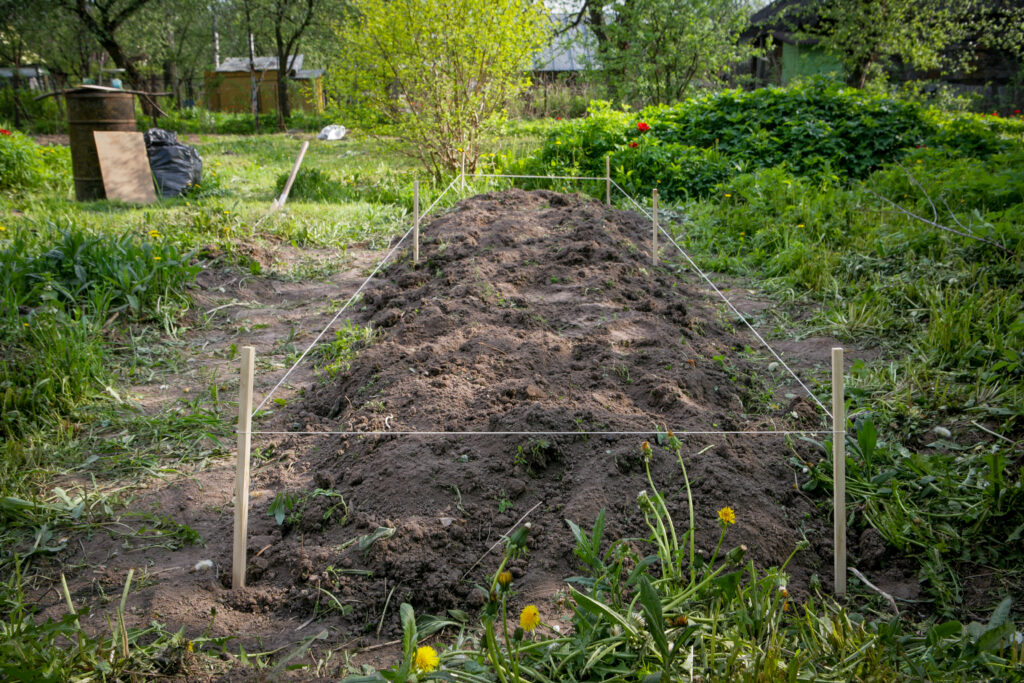
Your garden’s location matters—a lot. Sunlight, water access, and drainage are the backbone of a good vegetable garden.
Selecting Optimal Sunlight and Drainage
Most vegetables need 6 to 8 hours of direct sun each day. You can watch your yard at different times to spot areas that get full sun. South-facing spots usually get the most steady light.
Good drainage keeps roots healthy and prevents rot or disease. To check, dig a 12-inch hole, fill it with water, and see if it drains in a few hours. If it does, you’re good.
Pick slightly raised spots or gentle slopes where water won’t pool. Avoid low areas that stay soggy after rain. Squeeze a handful of soil—it should crumble, not clump. Clay soil holds too much water, while sandy soil drains too fast.
Adapting to Urban and Small Spaces
Small yards and shady spots don’t have to stop you. Beans, beets, carrots, lettuce, spinach, and kale can do fine with 3 to 6 hours of sun.
Raised beds are a lifesaver in urban gardens. They drain better than ground-level beds, and you can start with good soil. Build them 6 to 12 inches high with untreated wood, stone, or composite boards.
Containers work great on patios, balconies, or tiny yards. Use pots at least 12 inches deep for most veggies. Tomatoes, peppers, herbs, and compact cucumbers do well in containers. Just make sure your pots have drainage holes and fill them with quality potting mix, not regular garden soil.
Considering Proximity to Water Sources
Put your garden within 50 feet of a water spigot or hose. Veggies need steady moisture, especially in hot weather or when they’re fruiting.
Dragging water across the yard gets old fast and usually means you’ll water less often. Plants need about 1 inch of water per week from rain or irrigation. Easy access to water makes it way more likely you’ll keep up with watering.
If you can, set up drip irrigation or soaker hoses. These systems send water right to the roots and waste less. Place your garden where you can reach it with a standard hose—no endless extensions needed.
Garden Bed Options and Layouts
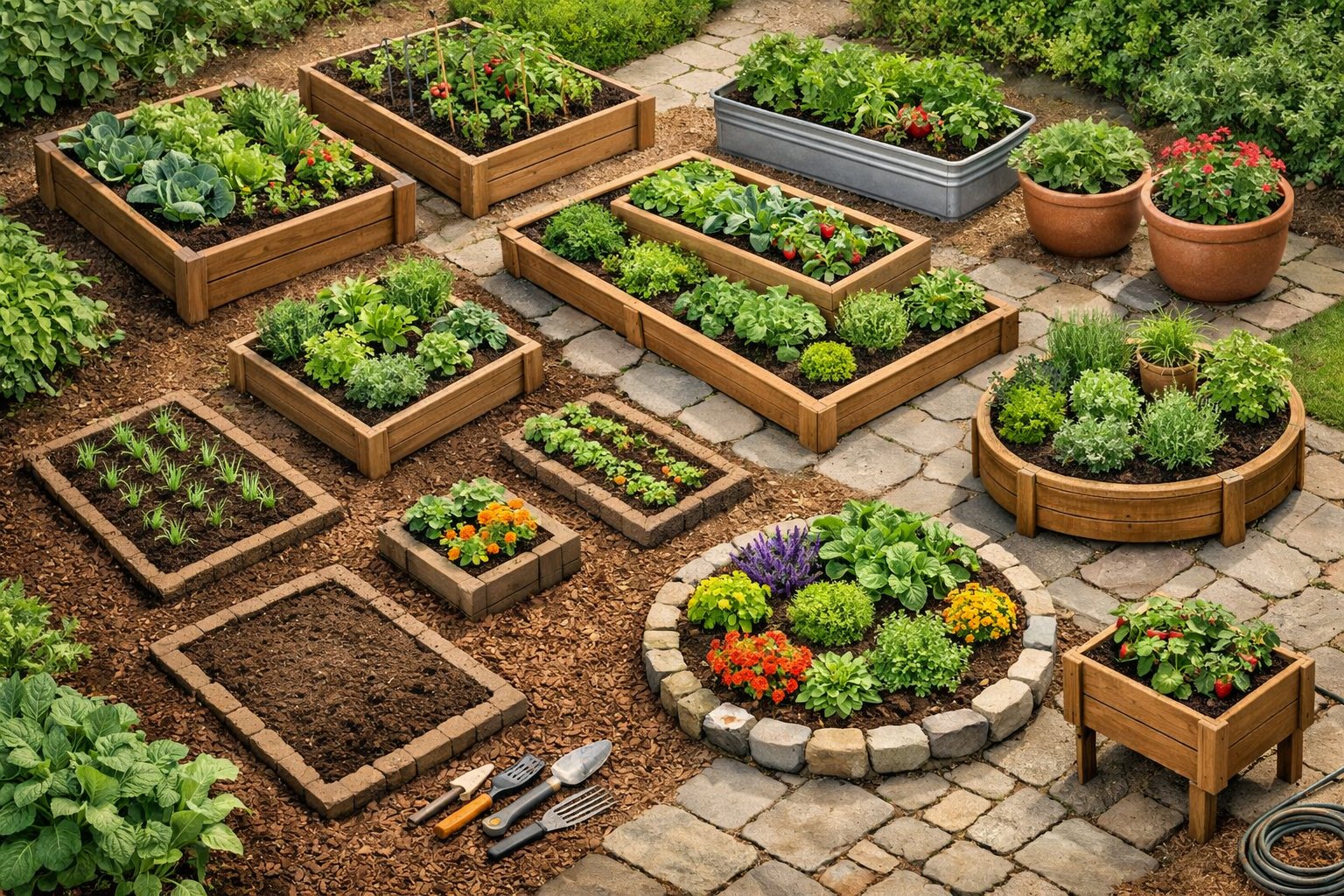
The way you build your beds affects drainage, access, and how easy it is to care for your plants. Raised beds, in-ground planting, or containers—pick what suits your soil, your back, and your available space.
Raised Beds Versus In-Ground Planting
Raised beds sit above ground, usually 6 to 12 inches high. They warm up faster in spring so that you can plant earlier. Water drains out the sides, which helps prevent soggy roots.
You control the soil in raised beds, which is excellent if your native soil is heavy clay, contaminated, or just plain lousy. Building costs range from $50 to $200 per bed, depending on the materials.
In-ground gardens cost nothing if your soil is already decent. Just dig and plant. This option works if you’ve got fertile, well-drained soil with a nice crumbly texture.
In-ground beds mean more bending and kneeling. Raised beds are easier on your back and make it simpler to track crop rotation and soil care.
Exploring Container Gardening
Containers are perfect for patios, balconies, or tough soil. Grow tomatoes, peppers, lettuce, herbs, and more in pots. Always pick containers with drainage holes.
Size counts. Tomatoes want at least a 5-gallon pot. Lettuce and herbs are happy in 1-2 gallon containers. Carrots and other root crops need pots at least 12 inches deep.
Use potting mix instead of garden soil. Potting mix drains well and stays loose. Containers dry out quickly, so you’ll probably water daily in hot weather. Add slow-release fertilizer or liquid feed every couple of weeks, since nutrients wash out faster than in the ground.
Designing Garden Paths and Access
Paths should be 2 to 3 feet wide for comfortable walking and easy wheelbarrow use. Main paths can go up to 4 feet if you need space for carts. Narrow paths between beds can be as little as 18 inches.
Keep garden beds 3 to 4 feet wide if you can reach from both sides. That way, you won’t have to step on the soil. Against a fence, stick with a 2 to 3-foot-wide fence.
Cover paths with wood chips, straw, gravel, or landscape fabric. Bare soil paths get muddy and grow weeds. Mulch keeps paths dry and naturally suppresses weeds. For permanent gardens, gravel or stone paths last for years without much fuss.
Creating a Strategic Crop Plan
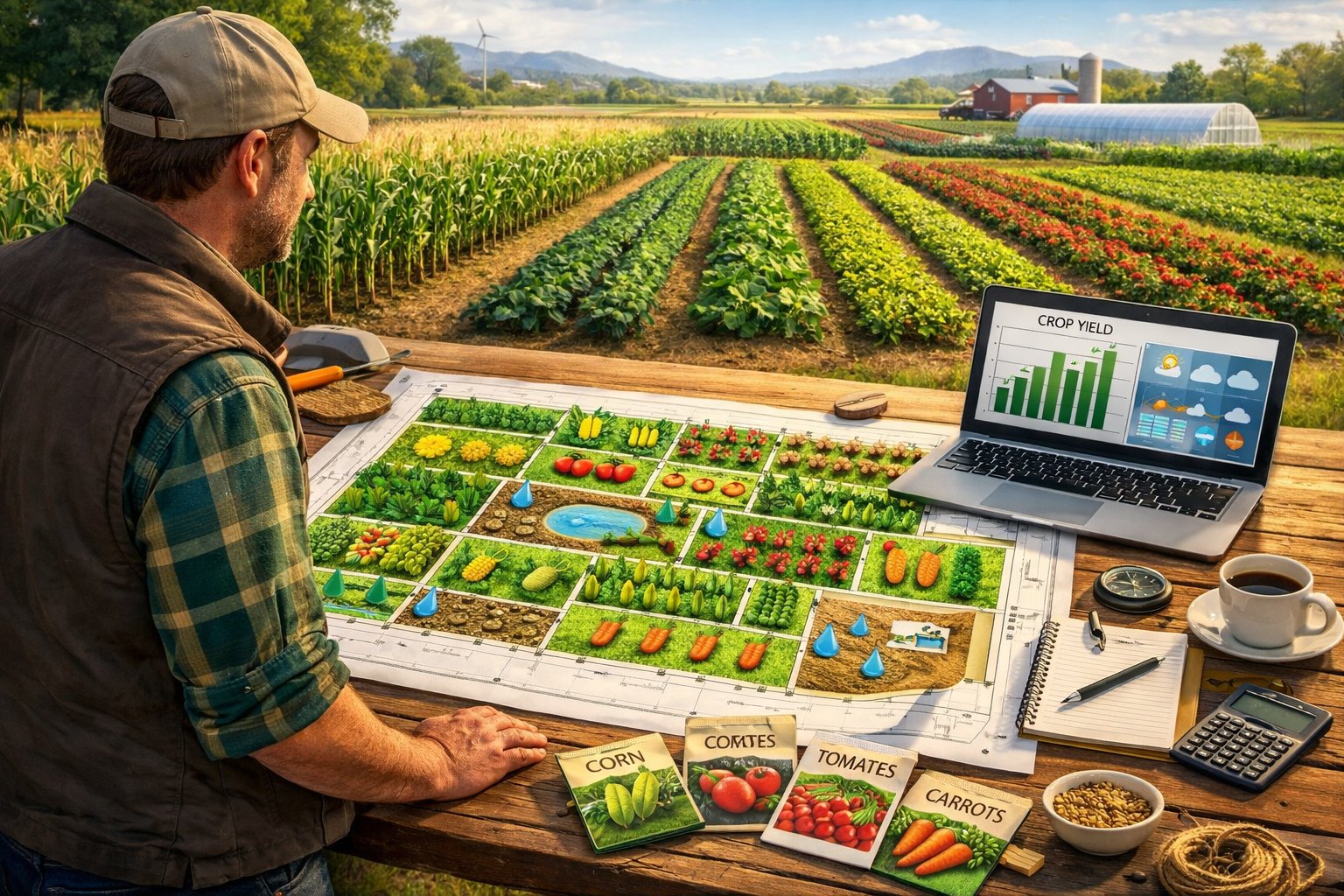
Planning your garden starts with figuring out how much food your family needs. Organize plants by their growing needs to save time and effort down the road.
Determining Vegetable Quantities for Your Family
Start by jotting down what your family actually eats each week. Which veggies do you go through the fastest, and how much do you use?
Most folks need about 100 square feet of garden per person for fresh eating. If you want to can or freeze food for later, bump that up to 200 square feet per person.
Think about these factors when planning:
- How many people are you feeding
- Whether you want just fresh veggies or preserved ones too
- Which vegetables does your family really enjoy
- How much storage space do you have for preserved food
A family of four usually does fine with 10-12 tomato plants for fresh eating, but you’ll need 24-30 if you want to make sauce or can tomatoes for winter. Lettuce grows fast and doesn’t take much space, so plant a little every two weeks instead of all at once.
Keep track of what you actually harvest and eat your first year. That info will help you tweak your plan for next season.
Grouping Crops by Growth and Care Requirements
Put vegetables with similar needs together in your garden. It just makes watering, fertilizing, and general care a whole lot simpler.
Group plants by these characteristics:
- Water needs: Tomatoes, peppers, and squash need consistent moisture.
- Nutrient requirements: Corn and cabbage are heavy feeders, while beans are pretty light on nutrients.
- Growth rate: Radishes and lettuce shoot up quickly, but carrots and parsnips take their sweet time.
- Height: Put tall crops like corn on the north side so they don’t shade out the little guys.
Keep cool-season crops like lettuce, peas, and broccoli together in one area. Warm-season crops—think tomatoes, peppers, and melons—should go in another spot.
This setup helps you prep beds at different times and makes those seasonal transitions less of a headache. Climbing plants like pole beans and cucumbers? Keep them together so you can easily toss up a trellis.
Integrating Perennial Vegetables
Plant perennials along the edge of your garden or dedicate a special area for them. These plants stick around for years, so pick their spot with care.
Common perennial vegetables include:
- Asparagus (produces for 15-20 years)
- Rhubarb (produces for 8-15 years)
- Artichokes (if you’re in a warmer zone)
- Perennial herbs like oregano, thyme, and sage
Asparagus loves full sun and well-drained soil. Plant crowns in trenches 6-8 inches deep, spacing them 12-18 inches apart.
Yeah, you’ll wait two or three years before harvesting, but after that, you’re set for decades. Rhubarb can tolerate partial shade and spreads out.
Each rhubarb plant needs about 3 feet of space all around. Put these big guys where they won’t block sunlight for your annual veggies or make it tough to move around.
Seasonal Planting and Scheduling
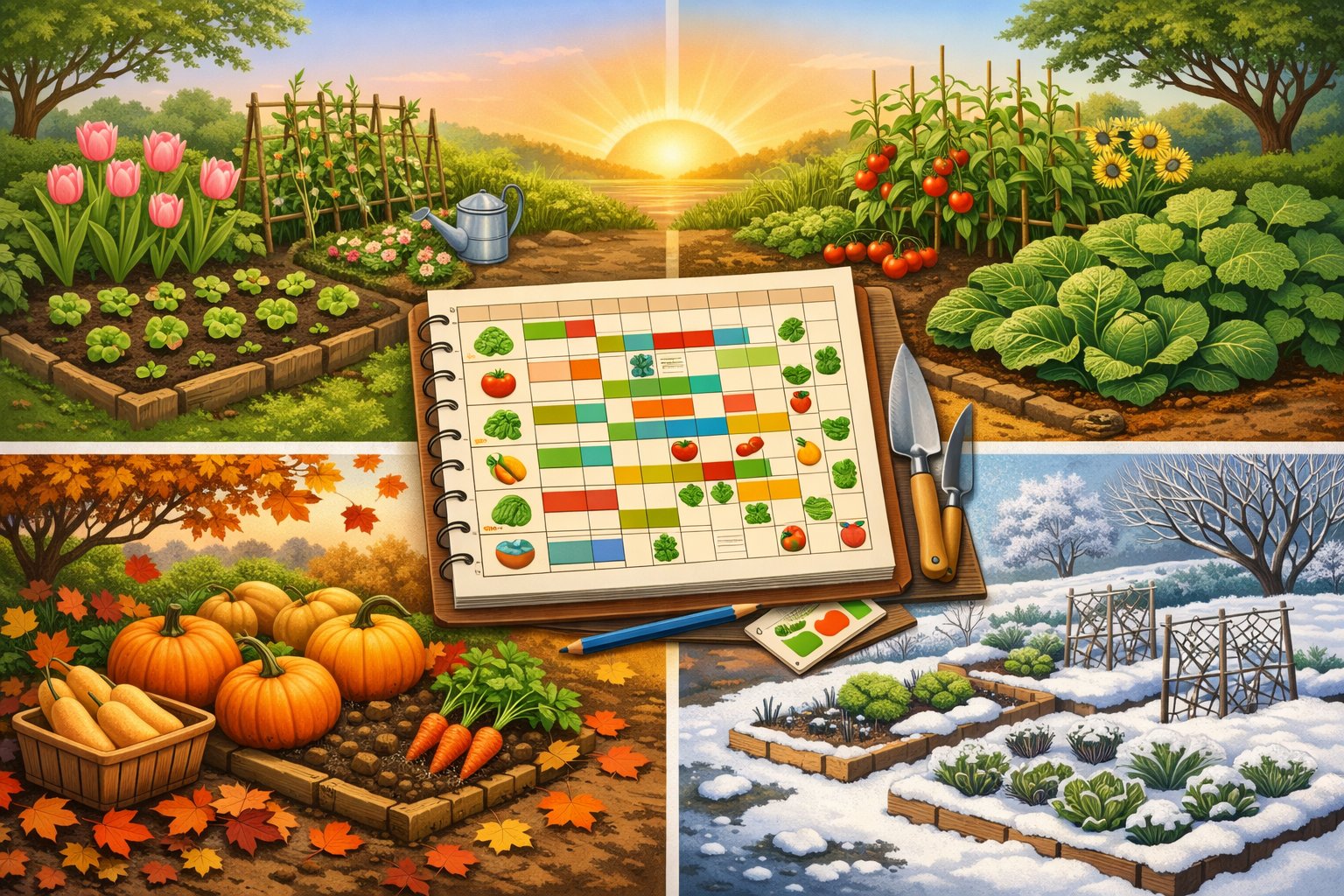
Knowing when to plant each vegetable can make or break your harvest. Timing depends on whether your crops prefer cool or hot weather, and a bit of planning lets you enjoy fresh produce all season long.
Cool Season vs. Warm Season Vegetables
Cool-season veggies thrive when it’s between 40°F and 75°F. They can even handle a slight frost, so plant them in early spring or late summer for a fall crop.
Cool Season Crops:
- Lettuce, spinach, and other leafy greens
- Peas and beans
- Beets, carrots, and radishes
- Broccoli, cabbage, and cauliflower
- Onions and garlic
Warm-season veggies want soil above 60°F and air temps between 65°F and 85°F. Wait until after your last frost—when the soil’s good and warm—before planting these.
Warm Season Crops:
- Tomatoes, peppers, and eggplants
- Cucumbers, squash, and melons
- Corn and okra
- Beans (pole and bush types)
Your exact planting dates depend on your USDA zone. Local extension offices usually have the best info for your area, so check with them if you’re unsure.
Timing Your Plantings for Success
Start cool-season crops about 4-6 weeks before your last spring frost. You can even direct seed hardy veggies like peas and spinach a bit earlier.
Plant warm-season crops 1-2 weeks after the last frost, once soil temps hit 60°F. Black plastic mulch can help warm the soil faster if you’re in a hurry.
Succession Planting Strategy:
- Plant small batches every 2-3 weeks
- Harvest steadily instead of all at once
- Great for lettuce, beans, and radishes
- Keeps your harvest window open longer
Mark your planting dates on a calendar. It’s easy to forget, and this way you avoid empty gaps and keep your garden producing.
Companion Planting Strategies
Companion planting means pairing veggies that help each other out—through pest control, sharing nutrients, or just using space wisely. It’s a smart way to boost yields without relying on chemicals.
Beneficial Combinations:
- Tomatoes with basil (better flavor, fewer pests)
- Corn, beans, and squash (the classic Three Sisters method)
- Carrots with onions (confuses pests)
- Lettuce under tall crops (gets some shade)
Try not to plant members of the same family together since they attract the same pests and diseases. Give each plant enough room, even with companion planting.
Grouping veggies with similar water and nutrient needs also makes life easier and keeps them from fighting over resources.
Optimizing Plant Spacing and Density
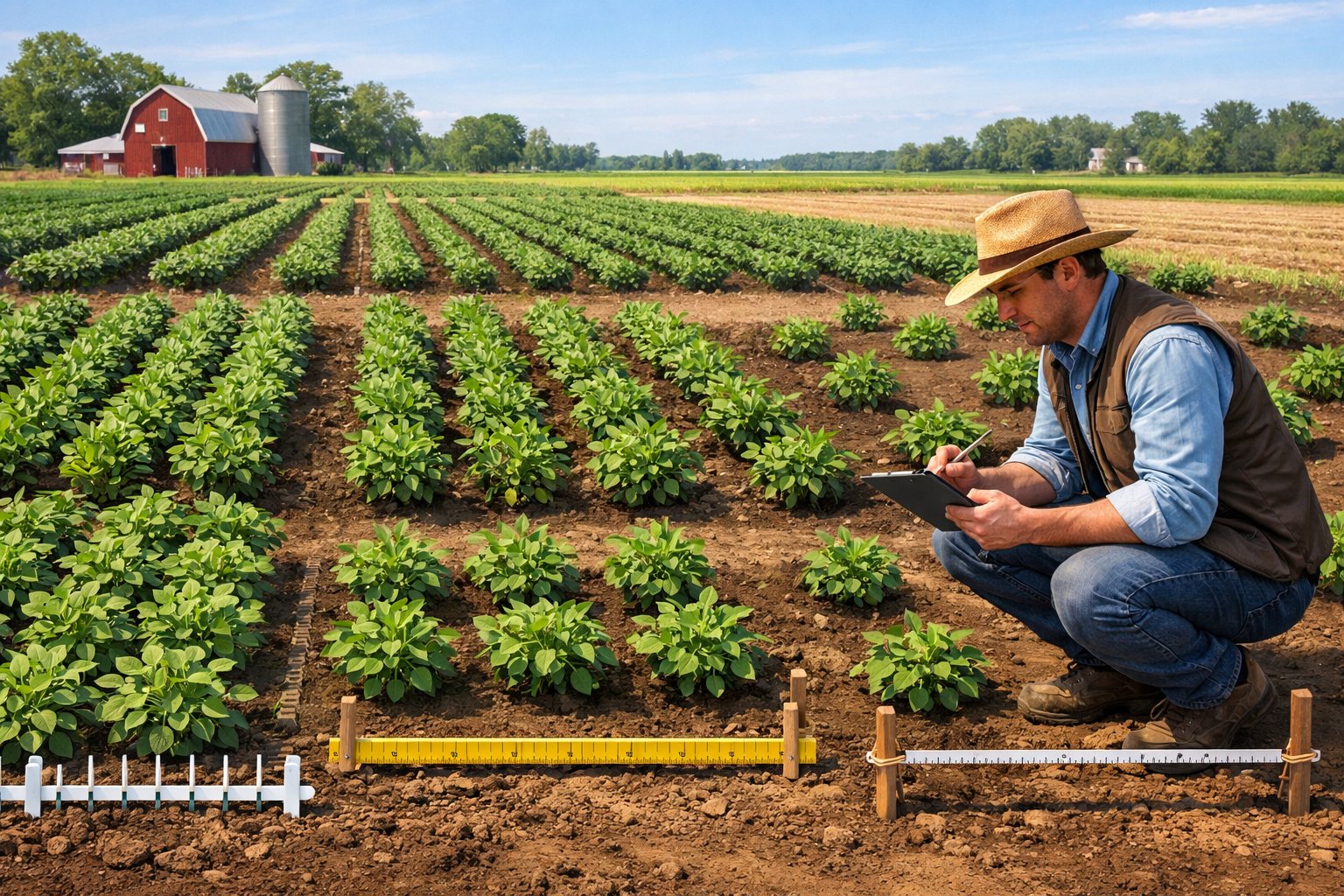
Getting the spacing right really affects how much you can grow and how healthy your plants stay. Wide spacing works for traditional rows, but if you’re using raised beds or containers, you can squeeze things in closer.
Traditional Row Spacing Guidelines
Row spacing usually ranges from 18 to 36 inches, depending on the veggie. Tomatoes need 24 to 36 inches between plants, with rows 36 to 48 inches apart.
Lettuce only needs 6 to 12 inches between plants and 12 to 18 inches between rows. Corn does best at 8 to 12 inches apart in rows 30 to 36 inches wide.
Bush beans like 3 to 4 inches between plants and 18 to 24 inches between rows. These wider gaps let you walk between rows, improve air flow, and make it easier to spot pests.
Benefits of traditional spacing:
- Easy harvesting
- Good airflow to cut down on disease
- Pests are easier to spot
- Room for tools or small equipment
Intensive and Close-Spacing Methods
Raised beds and containers let you plant 25 to 50 percent closer than traditional rows. For example, you can tuck lettuce 4 to 6 inches apart in all directions, skipping rows entirely.
Carrots do well at just 2 to 3 inches apart in blocks. Research suggests 76 cm between rows and 10 cm between plants boost yields for some crops.
Container gardens, when spaced well, produce more per square foot than old-school rows. But close spacing means you have to pay more attention to soil fertility and watering.
Add compost often and check soil moisture daily. Plants in tight spaces compete for nutrients, so fertilize based on soil tests every few weeks during the peak season.
Soil Health and Fertility Management
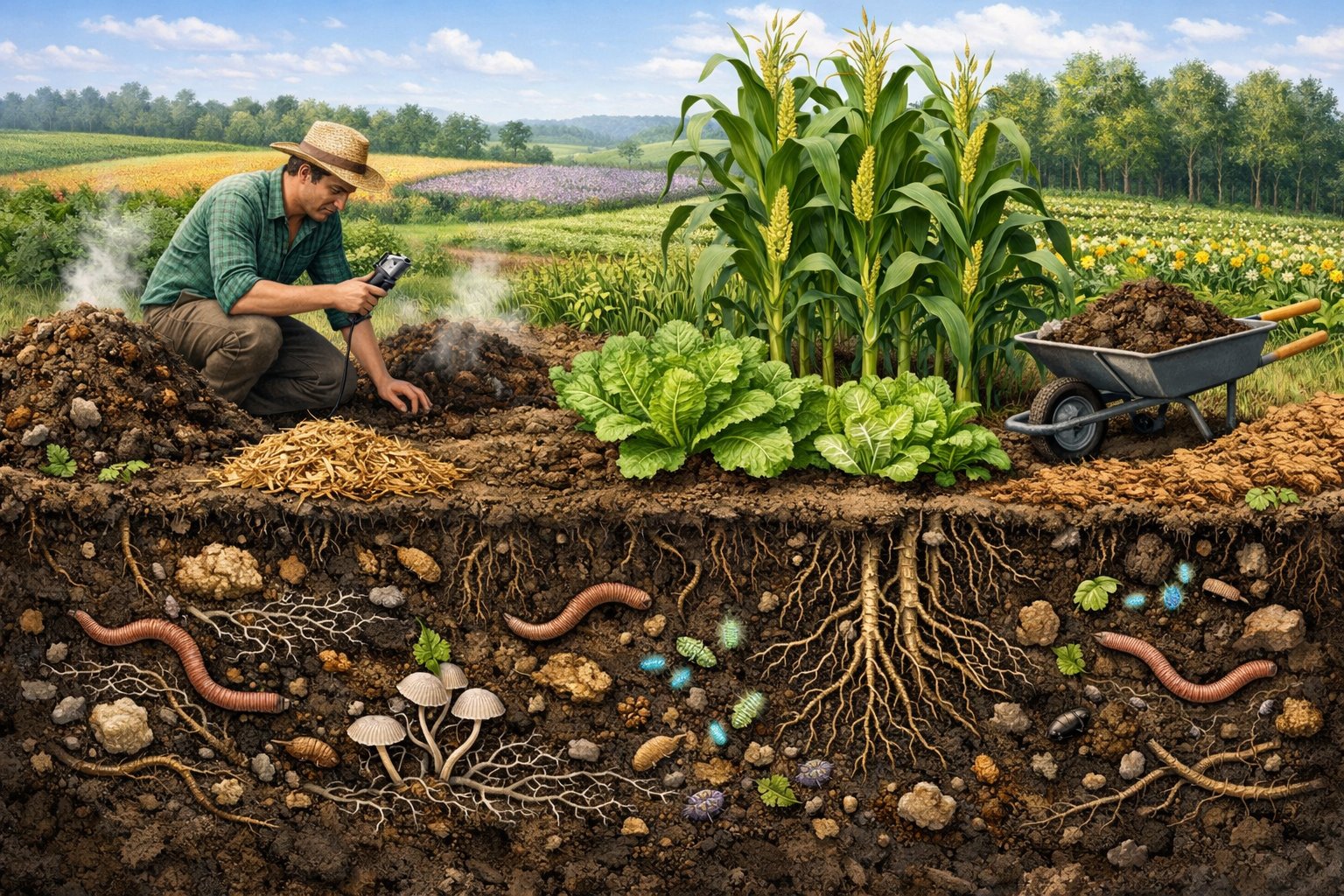
Healthy soil is the backbone of a productive veggie garden. You’ll need to test it regularly to keep tabs on nutrients and make adjustments as needed.
Good soil structure helps with drainage and lets roots grow strong. Without it, plants just don’t perform as well.
Regular Soil Testing Protocols
Test your garden soil every three or four years to track nutrients and pH. Either send samples to your local extension office or grab a home test kit in early spring before planting.
Take soil from several spots in your garden, about 6 inches deep. Mix everything in a clean bucket for the most accurate reading.
The test will tell you pH and levels of nitrogen, phosphorus, and potassium. Most veggies like soil with a pH between 6.0 and 7.0.
Keep a record of your results. Over time, you’ll spot trends and know exactly how to tweak your soil care.
Incorporating Fertilizers and Organic Matter
Follow your soil test recommendations when adding fertilizer. Guessing can backfire—too much fertilizer burns roots and harms the environment.
Don’t let fertilizer touch plant roots directly. Scatter it around the plants, then water well to move nutrients into the root zone.
Each year, add organic matter like compost, aged manure, or leaf mold to boost soil quality. Work 2 to 3 inches of compost into the top 6 inches of soil before planting.
Organic matter helps sandy soils hold water and helps clay soils drain better. Plus, it feeds all those helpful soil critters that boost nutrient uptake.
If your plants start looking pale or slow, side-dress them with extra fertilizer during the season.
Maintaining Proper Soil Structure
Don’t walk on wet soil—it compacts and chokes out the air roots need. Wait until the soil crumbles in your hand before stepping in or working beds.
Use raised beds or set up permanent paths to keep growing areas fluffy and loose. It really helps with garden maintenance too.
Only till or dig when you absolutely need to for planting. Too much digging breaks down soil structure and messes with beneficial organisms.
Spread 2 to 4 inches of organic mulch around your plants. Mulch shields the soil from pounding rain and wild temperature swings, and it cuts down on water loss and crusting that blocks air and water.
Essential Gardening Best Practices
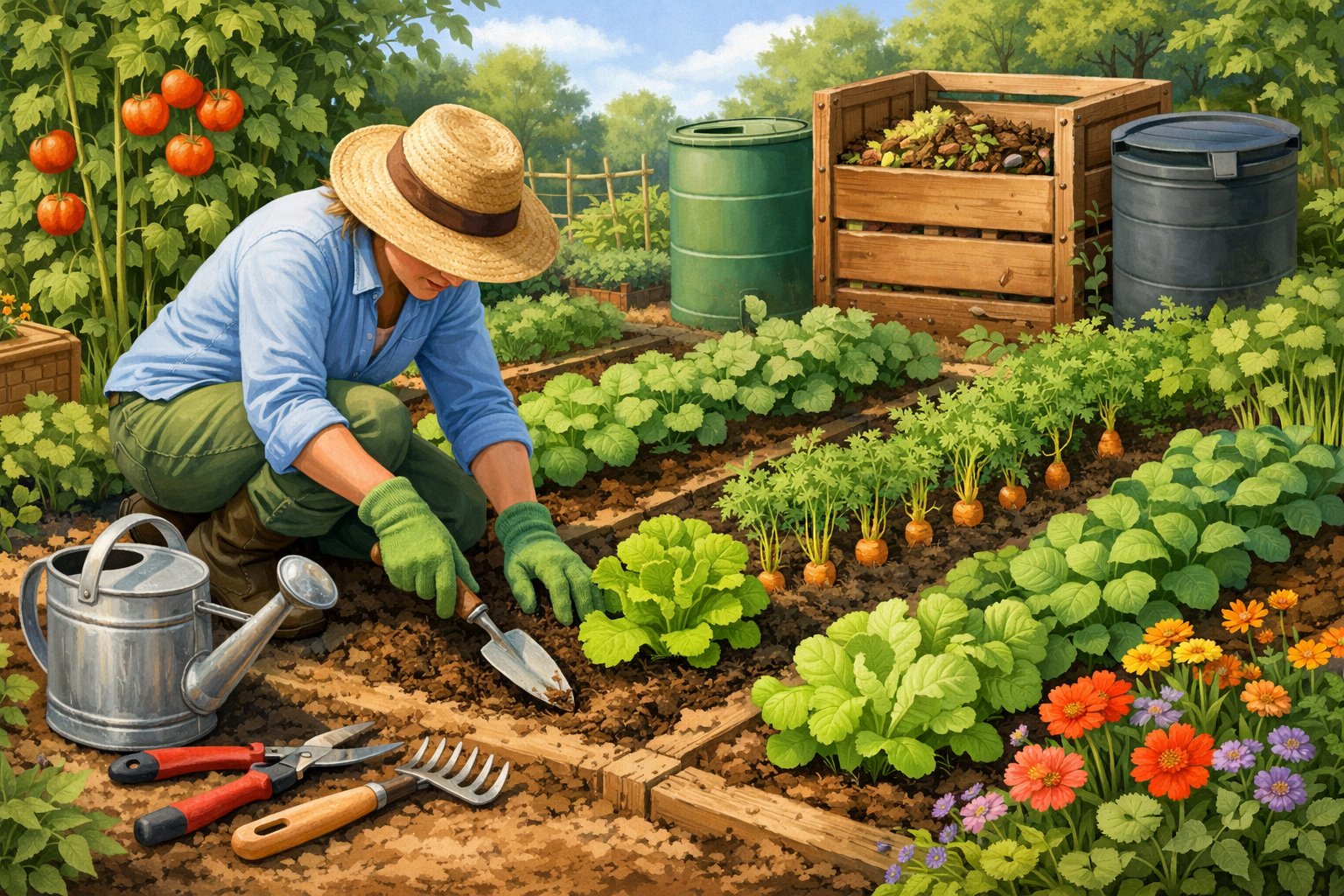
Mulching keeps soil moist and stops weeds from taking over. Thin your seedlings early so the strongest ones have room to grow.
Try not to pack down your soil. Healthy roots need space to spread, and good drainage keeps everything happy.
Mulching and Watering Techniques
Spread a 2-3 inch layer of organic mulch around your plants. This helps keep soil moist and keeps the temperature steady.
Straw, shredded leaves, or wood chips? All solid choices for most veggies. Just keep mulch about 2 inches away from the stems so you don’t invite rot or disease.
Water your garden deeply once or twice a week. Skip shallow daily watering—it doesn’t do much for roots.
When you water deeply, roots grow down into the soil and become more drought-tolerant. If you can, water early in the morning. It cuts down on evaporation and gives leaves time to dry off before night.
Wondering when to water? Stick your finger 2-3 inches into the soil. If it feels dry, it’s time to water.
Most veggies want about 1 to 1.5 inches of water per week, counting both rain and irrigation.
Seedling Thinning Methods
Start thinning seedlings once they’ve got their first true leaves. Snip out the weakest ones so the strongest can stretch out.
Use scissors or small shears to cut unwanted seedlings at soil level. Pulling them out can mess with the roots of the ones you want to keep.
Each veggie has its own spacing needs, which you’ll usually find on the seed packet. Carrots? Give them 2-3 inches. Lettuce likes 6-8 inches.
Not sure which will thrive? Thin in stages. Remove the obvious weaklings first, then thin again in a week or two to reach the final spacing.
Minimizing Soil Compaction
Don’t walk on garden beds when the soil’s wet. Wet soil packs down fast and forms hard layers that roots can’t get through.
Set up paths between beds so you’re not stepping where things are growing. If you need to reach in, use boards or stepping stones to spread your weight.
Mixing in compost helps soil keep its structure and fend off compaction. Work compost into the top 6-8 inches each season.
Consider permanent raised beds or try the square-foot gardening method. These setups let you reach everything from the edges and keep foot traffic off your growing space.
Pest, Weed, and Disease Control
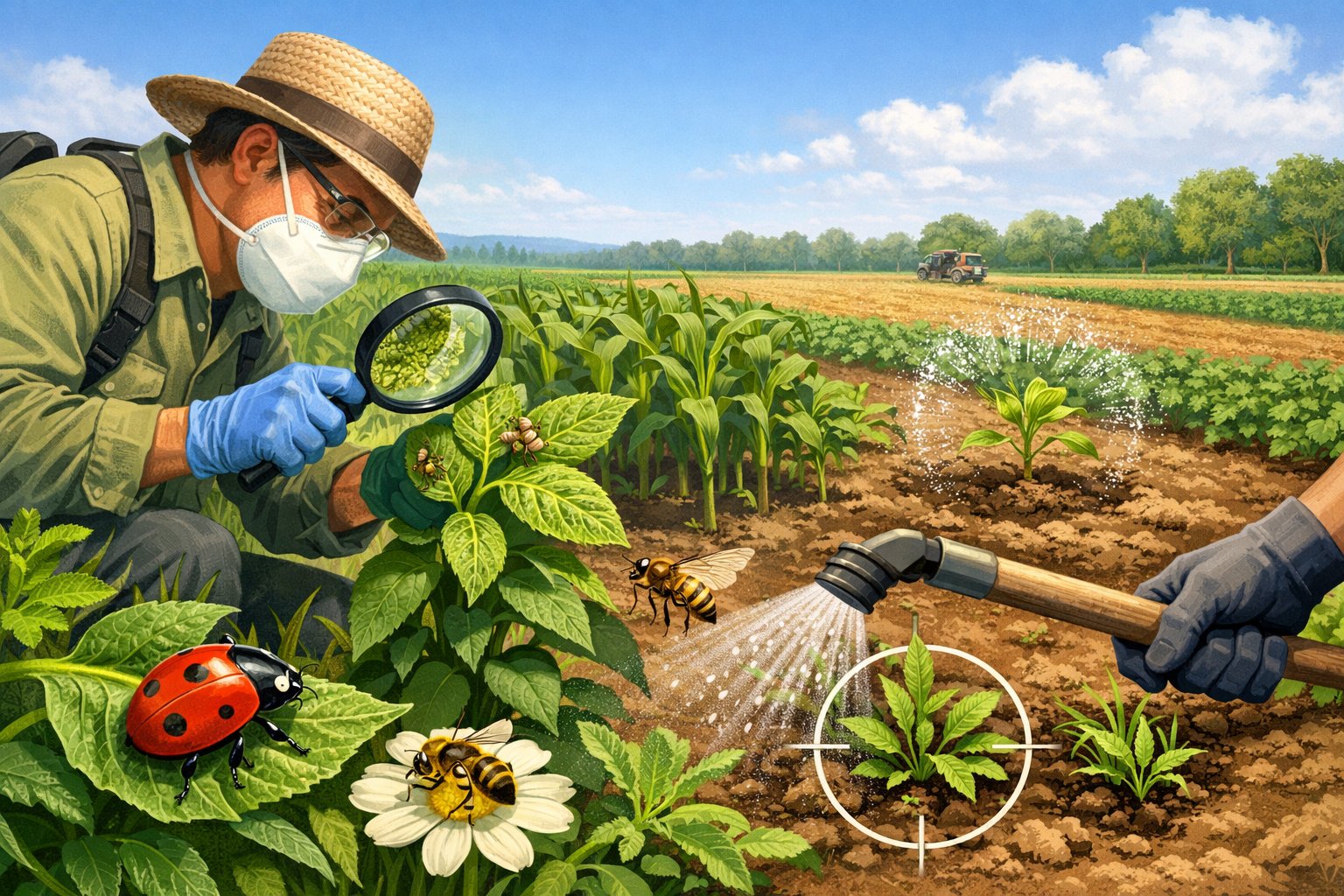
Effective pest management starts with knowing what you’re dealing with. Catch weeds early and focus on preventing diseases before they start.
Identifying Common Backyard Garden Pests
Check your plants often—at least twice a week during the busy growing season. Look under leaves and along stems for holes, weird colors, or webbing.
Common garden pests include:
- Aphids – Tiny, soft bugs clustering on new growth and under leaves
- Tomato hornworms – Big green caterpillars that can chomp through leaves fast
- Cabbage worms – Green caterpillars chewing up broccoli and cabbage
- Cucumber beetles – Yellow and black striped beetles that go after cucurbits
- Flea beetles – Little black beetles making pinholes in leaves
Early morning is the best time for pest checks. Insects are less active when it’s cool.
Treat only the pests you can positively identify. Beneficial insects like ladybugs and lacewings actually help you out by eating the bad guys.
If you spot hornworms or other big pests, just pick them off by hand if there aren’t too many.
Targeted Weed Management Approaches
Weeds steal water, nutrients, and light from your veggies. Yank them out while they’re still small—under two inches tall is ideal.
Hand-pulling works great for annual weeds with shallow roots. For bigger areas, swing a hoe just below the soil surface, especially on dry, sunny days so weeds dry out and die.
Put down a 2-3 inch layer of organic mulch to keep weeds from sprouting in the first place.
Good mulch options:
- Straw or hay
- Shredded leaves
- Grass clippings (only if they’re herbicide-free)
- Wood chips for paths
Pull weeds before they set seeds. One weed can produce thousands of seeds that stick around for years.
Don’t add weedy plants with mature seeds to your compost pile unless you want a weed explosion later.
Preventative Disease Strategies
Preventing plant diseases is way easier than treating them. Pick disease-resistant vegetable varieties for your area whenever you can.
Top prevention tips:
- Water at soil level in the early morning
- Give plants space for airflow
- Rotate crops each year
- Remove sick plants right away
Try not to work in your garden when plants are wet. Wet leaves and warm weather make a perfect storm for fungal diseases.
Clean your
Don’t compost anything diseased. Keep an eye out for early warning signs like leaf spots, wilting, or odd colors. Fungal diseases can sometimes be managed if you catch them early, but viral ones call for removing the whole plant.
Common Mistakes to Avoid

New gardeners run into a lot of avoidable mistakes that eat up time and cut down harvests. If you get the basics—spacing, fertilizer, variety selection, and watering—down, you’re already ahead.
Overcrowding and Improper Spacing
Plants need space for good airflow and healthy growth. If you crowd them, they fight for light, water, and nutrients.
Too-close planting also makes things humid between leaves. Fungal diseases like powdery mildew and blight love that kind of environment.
Each veggie has its own spacing needs. Tomatoes like 24-36 inches between plants, lettuce just 6-8 inches. Bush beans want 3-4 inches, and squash can need up to 48 inches.
Check seed packets or tags for the details. Small gardens can make spacing feel wasteful, but giving each plant room actually boosts your total harvest.
Incorrect Fertilizer Application
If fertilizer touches plant roots directly, it can burn them. Make a little furrow 2-3 inches from the stem when using granular fertilizers.
Too much fertilizer is just as bad as too little. Extra nitrogen means lots of leaves, but not much fruit—your tomatoes and peppers might get tall and leafy but never set fruit.
Be careful with hoes or tillers around established plants. Most veggie roots live in the top 6-8 inches, so shallow cultivation is safer.
Use soil test recommendations to figure out how much fertilizer to use. Generic instructions can give you too much of one thing and not enough of another. Test every few years to know what your soil actually needs.
Planting Unsuitable Varieties
Not every vegetable variety works everywhere. Some tomatoes need long, hot summers, which just won’t happen up north. Certain lettuces bolt fast in southern heat.
Check “days to maturity” on seed packets. Your growing season has to be long enough for the plant to actually produce. A watermelon needing 90 days won’t make it if you only get 70 frost-free days.
Pick disease-resistant varieties if your area has recurring issues. Tomatoes labeled VFN resist Verticillium wilt, Fusarium wilt, and nematodes.
Local nurseries usually sell varieties that work in your region. They’re a better bet than random seeds from big box stores or online catalogs.
Improper Watering Habits
Soggy soil suffocates roots by pushing out the oxygen they need. If you water too often or too much, you fill air pockets with water.
Shallow, frequent watering keeps roots near the surface, where they dry out fast. Water deeply but not too often to help roots grow strong and deep.
Most vegetables want 1-1.5 inches of water each week. Give this in one or two deep sessions instead of daily sprinkles.
Let soil dry a bit between waterings. Check by sticking your finger in 2-3 inches—if it’s still moist, hold off another day. Only water when that layer feels dry.
Troubleshooting Garden Problems
Garden problems usually show up as visible changes in your plants. If you pay attention to things like leaf color or stunted growth, you can often fix issues before they get out of hand.
Diagnosing Growth and Nutrient Issues
If you see stunted growth or yellow leaves, check a few things. Look for patterns—if lower leaves go yellow but new ones stay green, your plants probably need nitrogen.
When new leaves look pale or yellow, iron deficiency or a pH problem might be the culprit. Purplish or dark green leaves with slow growth usually point to a phosphorus shortage.
Cold soil can also block roots from taking up nutrients, even if they’re there. Keep an eye on soil temps, especially early in the season.
- Common nutrient deficiency symptoms:
- Nitrogen: Yellow lower leaves, weak stems
- Phosphorus: Purple tints, slow growth
- Potassium: Brown leaf edges, weak stems
- Calcium: Blossom end rot in tomatoes and peppers
Before you start tossing on fertilizers, send a soil sample for testing. It’s the only way to avoid making things worse by overdoing nutrients your soil already has.
Improving Drainage and Soil pH
Poor drainage is a plant killer. If you see water pooling for hours after rain, your garden needs better drainage.
Roots can’t breathe in soggy soil and will rot pretty quickly. Add compost or aged manure to heavy clay soil and mix it in 8-12 inches deep.
Raised beds that sit 6-8 inches above ground level can also help. Test your soil pH every few years—most veggies like it between 6.0 and 6.8.
If pH drops below 6.0, add lime as the test recommends. If it’s above 7.0, work in sulfur or use acidifying fertilizers. Make pH changes in the fall so they have time to take effect before spring planting.
Managing Persistent Pests and Diseases
First, figure out exactly which pest or disease is messing with your plants. Snap a few clear photos or take a sample to your local extension office for advice.
Generic treatments often waste money and harm beneficial insects. It’s just not worth it.
When you replant spots that always seem to have disease issues, pick resistant varieties. On tomato labels, codes like VFN indicate the plant is resistant to Verticillium wilt, Fusarium wilt, and nematodes.
If you keep running into pest trouble, try row covers on young plants. Take them off when flowers appear, and pollinators need access.
Switch up where you plant different vegetable families each year. Many pests and diseases stick around in the soil, waiting for their favorite plants to return.
Pest management priorities:
- Hand-pick big bugs like hornworms and beetles.
- Only spray for pests you’ve actually found.
- Apply treatments early in the morning or late in the evening.
- Stick to the label instructions for timing and amounts. Seriously, don’t eyeball it.
Keep things tidy by pulling out diseased plants as soon as you spot them. Don’t toss infected stuff into your compost—most home piles just don’t get hot enough to kill off the bad guys.
Sustaining Your Backyard Vegetable Garden
Keeping detailed records and checking your garden often helps you figure out what really works in your space.
When you tweak your approach based on what you actually see, you’ll get better harvests over time. It’s all about learning as you go.
Seasonal Inspections and Record Keeping
Walk through your garden at least once a week during the growing season. Look for changes in leaf color, wilting, or any signs of pest damage.
Flip over a few leaves—bugs love to hide under there. Sometimes you find surprises you weren’t expecting.
Write down what you plant and where it goes every year. Jot down variety names, planting dates, and how much you end up picking.
Don’t skip recording problems like diseases or pest issues. It helps, trust me.
Keep track of weather patterns and how they mess with your crops. Note frost dates, rainfall, and weird temperature swings.
This info makes it way easier to plan when to plant next year. You’ll thank yourself later.
Key items to document:
- When you plant and harvest each crop
- Fertilizer and soil fixes you use
- Pest or disease outbreaks, plus treatments
- Which varieties rocked—and which flopped
- Weather events that made a difference
Take photos of your garden layout and any trouble spots. Pictures help you remember what worked (and what didn’t).
Comparing photos from year to year? You’ll start to see patterns you might have missed otherwise.
Continuous Learning and Adapting Practices
Your garden teaches you new lessons every season. Notice which vegetables love your soil and which ones just don’t seem happy.
If a variety keeps struggling, swap it out for something else. No point in fighting nature, right?
Don’t overhaul everything at once. Try out one or two new techniques each year—maybe a fresh mulching method in just one bed, or mess around with plant spacing.
Making small tweaks helps you figure out what actually matters. Sometimes the tiniest change does the trick.
Move crop families to different spots every year. Rotating crops helps reduce soil diseases and keep nutrients balanced.
Try to keep brassicas, tomatoes, and legumes on a three-year rotation. It’s not always perfect, but it really pays off in the long run.
Look over your notes and adjust your planting schedule as you go. If late frosts took out your tomatoes, maybe plant a week later next time.
If early cold snaps ruined your fall harvest, try planting sooner next year. Flexibility goes a long way.
Check out local gardening groups or poke around your extension office’s website. Folks nearby have seen it all and usually have a trick or two up their sleeves.
Honestly, some of the best advice comes from gardeners who’ve dealt with the same weird weather or stubborn pests as you.