**Disclaimer**
Master Gardeners Grow Shop is an independent online business operated by individuals trained through Cooperative Extension Services Master Gardener and Master Composter programs. We are not affiliated with or endorsed by the U.S. or Canadian Cooperative Extension System or any state Extension Services.
This page contains affiliate links. Master Gardeners Grow Shop is a participant in the Amazon Services LLC Associates Program, an affiliate advertising program designed to provide a means for sites to earn advertising fees by linking to Amazon.com. We earn commissions on qualifying purchases. View full affiliate disclosure (#Affiliate Disclosure)
Growing a garden that works with nature feels right for your yard and the planet.
Sustainable gardening means protecting the environment while you grow what you love.
You can create a healthy garden space without harsh chemicals or wasting water. It’s honestly easier than many folks expect.
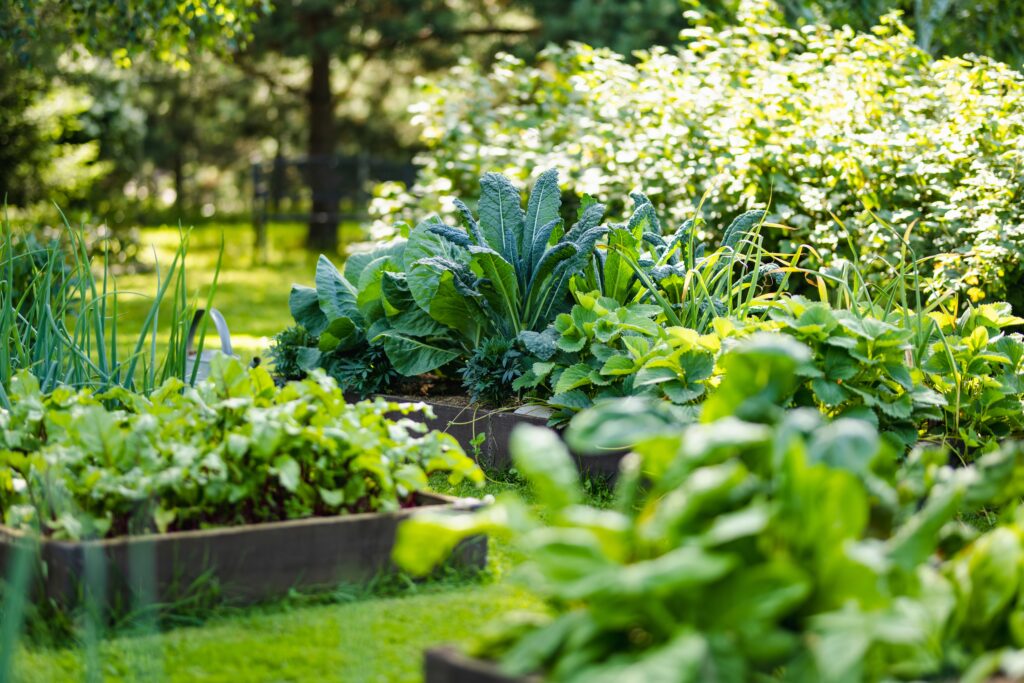
Getting started with eco-friendly gardening doesn’t have to be a headache. Even small changes—like composting and using natural pest control—can make a surprising impact.
These methods help you save money and reduce your footprint. It’s kind of a win-win, honestly.
Gardening Sustainably Protects the Environment and Conserves Resources
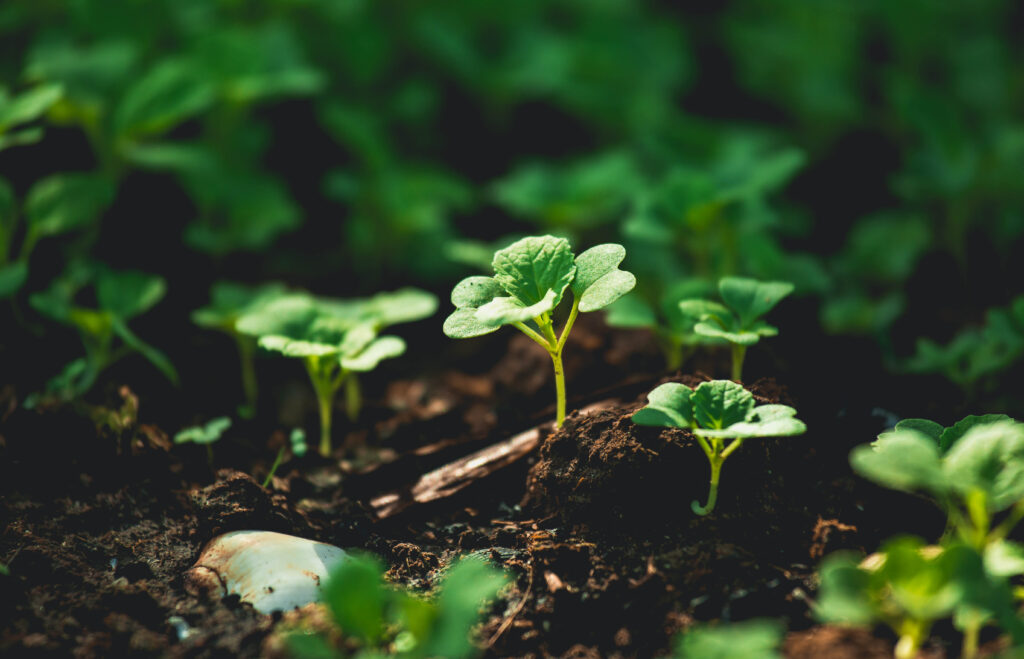
Pick the right tools and methods, and your garden instantly becomes more eco-friendly. Even simple tweaks in your routine can benefit your yard and the wider world.
Select Tools That Last
Choose durable gardening tools made from sustainable materials. Look for wooden handles from responsibly managed forests or recycled metal parts.
Quality tools stick around for years, reducing waste. They’re usually nicer to use, too.
Build Healthy Soil Naturally
Add compost from kitchen scraps and yard waste to boost your soil. This provides plants with natural nutrients, so you don’t need chemical fertilizers.
Healthy soil holds water better, so you’ll use less water overall. That’s good for your plants and your water bill.
Choose Native Plants
Native plants need less fuss because they’re built for your local climate. They typically use less water, fertilizer, and pest control.
Plus, they feed and shelter local wildlife—think birds and helpful insects. It’s like inviting nature’s best guests to your backyard.
Water Wisely
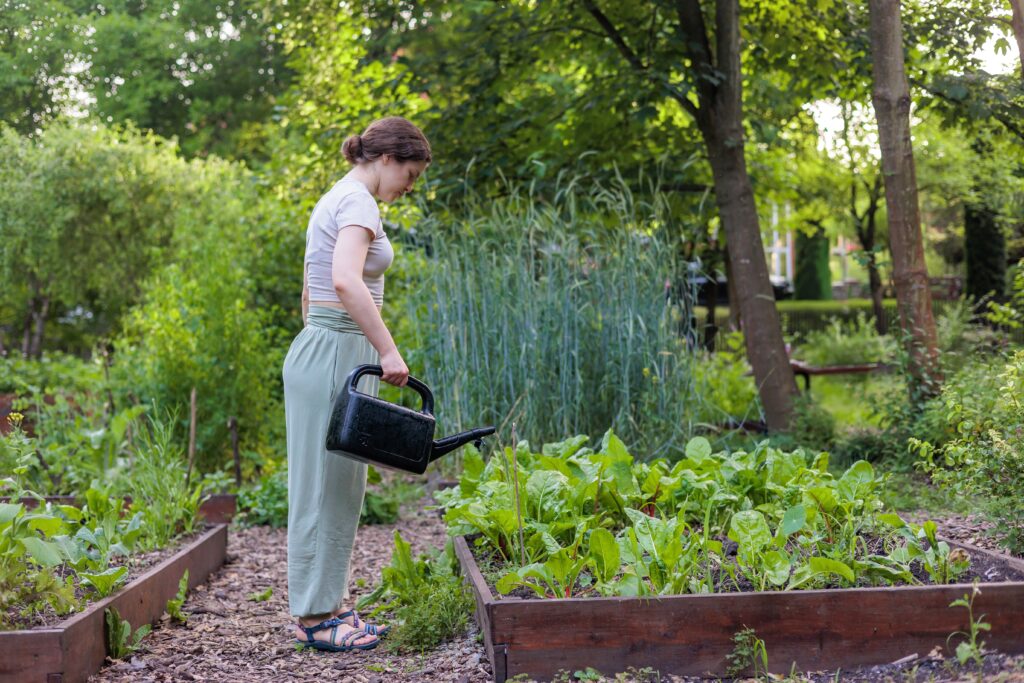
Set out rain barrels to collect water for dry spells. Water early in the morning or late in the evening to keep evaporation low.
Try drip irrigation systems to get water right to the roots. You’ll waste less than with sprinklers.
Skip Chemical Pesticides
Attract beneficial bugs like ladybugs and lacewings to help control pests. Plant flowers that these helpers love.
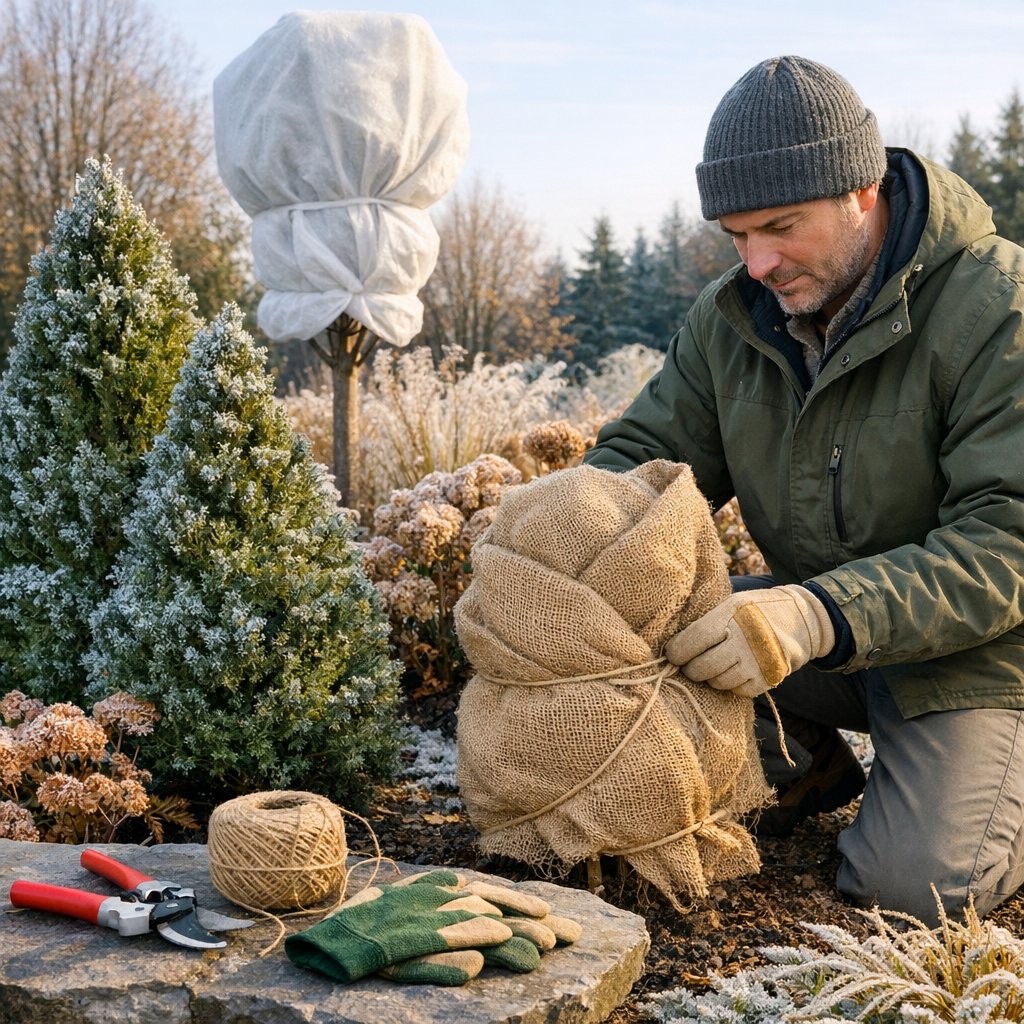
Physical barriers, such as row covers, can protect delicate plants without the need for sprays. Sometimes old-school methods work best.
Mulch Your Garden Beds
Spread organic mulch around your plants to retain moisture and keep weeds out. Wood chips, straw, or shredded leaves all do the trick.
As mulch breaks down, it feeds your soil. It’s a simple habit with big benefits.
Create Habitat Areas
Leave a few corners of your yard a bit wild. Brush piles, native grasses, and blooming plants provide wildlife with places to hang out.
These pockets of habitat help local ecosystems thrive. Sometimes, a little mess is exactly what nature needs.
1. Select Green Gardening Equipment
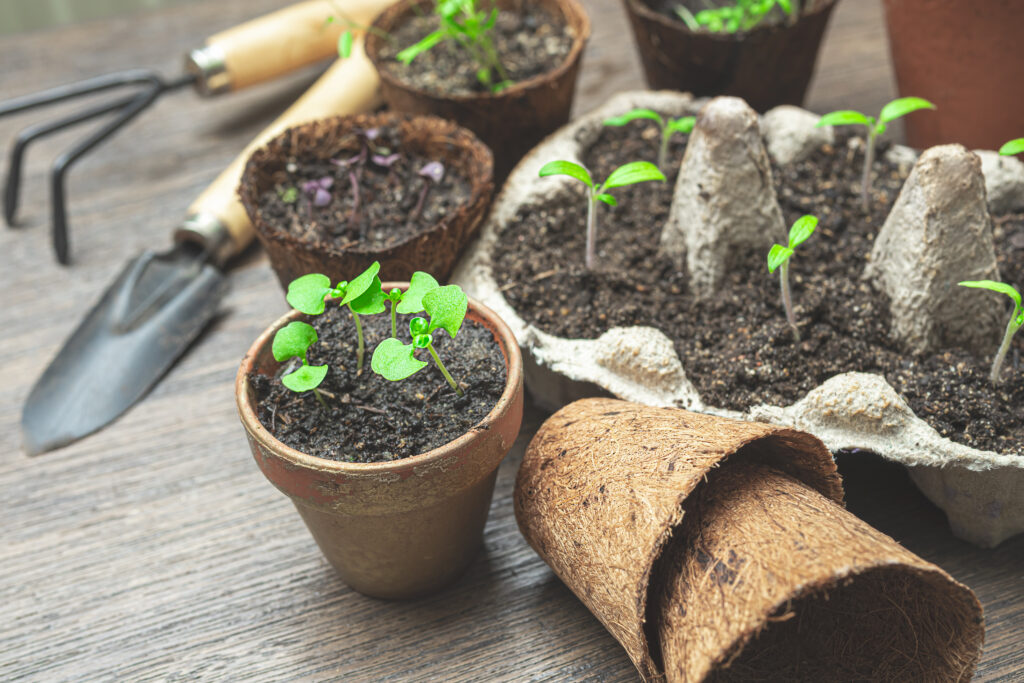
Picking and Using Sustainable Garden Tools:
The tools you pick for your garden matter more than you might think. Sustainable gardening tools cut plastic waste and tend to last way longer.
Look for these features when shopping:
- Renewable handle materials – Go for bamboo or wood handles that break down naturally.
- Manual operation – Hand-powered pruners, hoes, and forks mean no fuel use and less noise.
- Strong construction – Invest in durable tools you can repair instead of tossing out.
Keep your tools working longer:
- Brush off dirt after each use.
- Oil metal parts to prevent rust.
- Store them somewhere dry.
- Sharpen blades when they get dull.
Skip gas-powered machines if you can. Manual tools usually get the job done without any emissions.
2. Practice Water Conservation
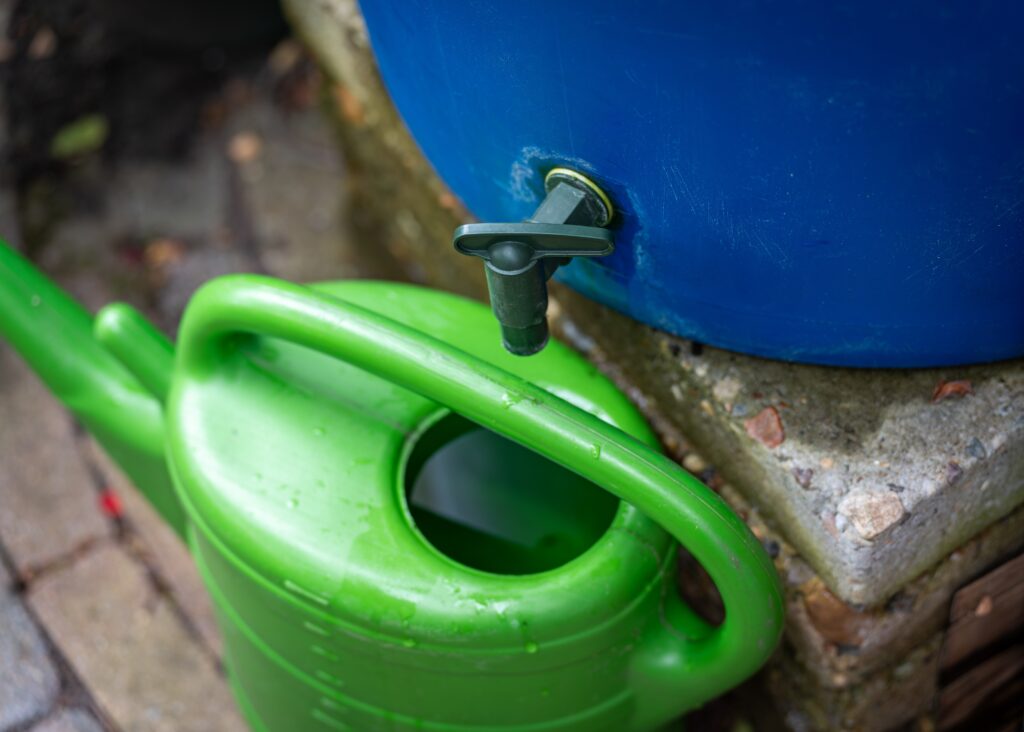
Ways to Reduce Water Use in Your Garden:
Protecting water resources is good for your budget and the earth. Smart irrigation systems can reduce outdoor watering by 30%, so it’s worth a try.
Capture rainfall: Set up a rain barrel under your gutter’s downspout. Use that free water when things get dry.
Choose efficient irrigation methods: Drip irrigation and soaker hoses deliver water directly to the roots, so less is wasted.
Time your watering wisely: Water in the early morning or evening when it’s cooler. That way, plants actually get the moisture before it evaporates.
Apply mulch layers: Mulch keeps soil damp longer. You’ll water less, and your plants will thank you.
3. Add Natural Materials to Improve Your Soil
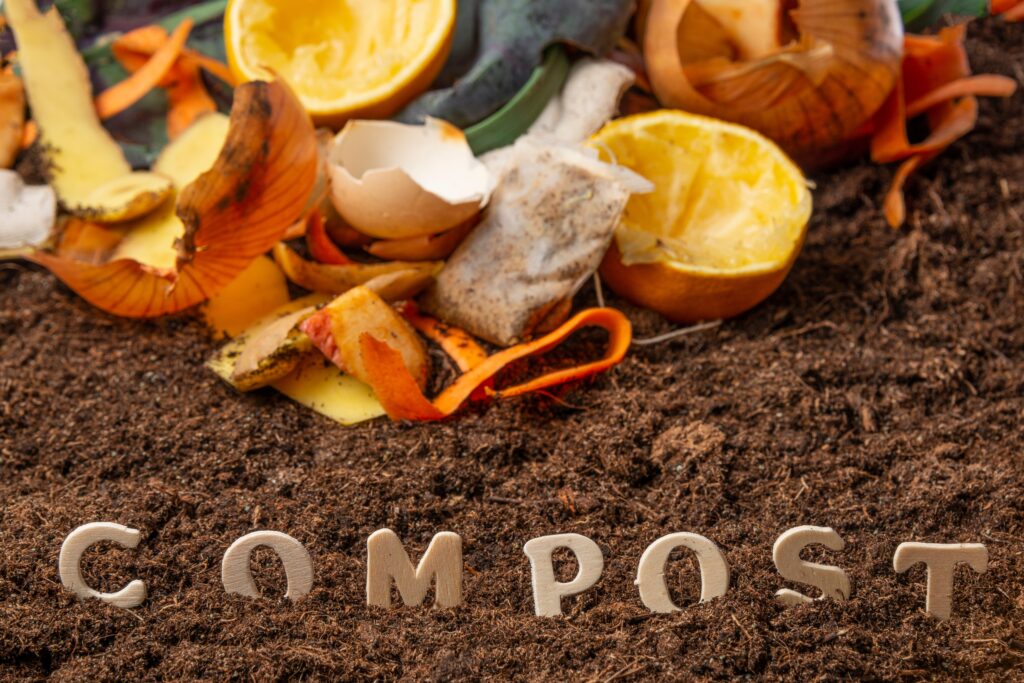
Steps for Creating Better Soil Naturally:
Building healthy soil without chemicals is totally doable. A few habits can make all the difference for your plants.
Begin a compost pile with kitchen scraps like fruit peels, veggie bits, coffee grounds, and eggshells. Toss in yard waste and turn the pile every couple of weeks to speed things up.
Feed your plants with natural fertilizers like bone meal, blood meal, or seaweed products. Check the instructions so you don’t overdo it.
Cover your garden beds with mulch—lay down two or three inches of straw, wood chips, or shredded leaves. This keeps weeds down and soil moist. Organic amendments like these boost nutrients and help your soil in the long run.
These natural amendments improve your soil while staying eco-friendly.
4. Build a Thriving Garden Ecosystem
A diverse garden keeps pests in check and helps plants grow stronger. When you embrace biodiversity gardening, you create a space where helpful creatures pitch in alongside your plants.
Ways to Draw in Helpful Garden Visitors:
Plant species that are native to your area. These need less water and care, plus they feed local bees and butterflies.
Set up little homes for wildlife. Try birdhouses or bee hotels, and put out butterfly feeders.
Skip the chemical sprays for pests. Instead, plant marigolds near your veggies to keep bugs away, or release ladybugs to handle the bad guys for you.
5. Cut Down on Waste and Reuse What You Have
Ways to Keep Garden Waste Low:
Turn everyday items into planters. Got an old bucket or a wooden crate lying around? Use them as containers for your plants or even as raised beds. Shipping pallets work surprisingly well, too.
Collect seeds from your best plants. When the growing season wraps up, pick seeds from your healthiest, most vigorous plants. Tuck them into paper envelopes and stash them somewhere cool and dry. Next year, you’ll have seeds ready to go—no extra shopping needed.
Put garden trimmings to work. Don’t toss those branches and fallen leaves. Chop them into mulch for your garden beds. Or, if you’ve got a compost pile, add the trimmings in and let them break down into rich soil for next season.
Honestly, these little changes make a big difference. Sustainable gardening practices don’t just cut down on waste—they save you money and make your garden more resilient. Worth a try, right?