Starting a garden can feel overwhelming. You walk into a store and see hundreds of tools staring back at you.
New gardeners often buy things they don’t need. Sometimes they skip tools that would actually make life easier.
The right basic tools help beginners succeed without spending too much money or filling up their shed with unnecessary items.
Having the proper equipment makes gardening more enjoyable and less tiring. You don’t need professional-grade tools that cost hundreds of dollars.
Using ergonomic and eco-friendly product selections helps new gardeners find quality items at fair prices. The top 10 must-have gardening tools for beginners include basic items that work for most climates and garden types.
These tools help with digging, planting, watering, pruning, and keeping soil healthy. Local weather and soil conditions affect which tools work best.
Someone gardening in sandy Florida soil needs different equipment than a person working with clay soil in Ohio. The top 10 must-have gardening tools cover essential tools every beginner needs, plus tips on picking the right versions for your growing conditions.
Learning about sustainable product selection helps gardeners find tools that match their needs.
Master Gardeners Grow Shop Takeaways
- Basic hand tools and a quality garden hose form the foundation of any beginner’s tool collection
- Choosing tools suited to the local climate and soil type prevents frustration and wasted money
- Proper cleaning and storage after each use extends the life of gardening equipment
Why These Tools Are Essential
Starting a garden requires the right equipment. The right tools make the work easier and more enjoyable.
New gardeners sometimes waste money on tools they don’t need. They also miss out on the basics that matter most.
Beginning gardeners need tools that handle multiple tasks. A proper set of essential gardening tools for beginners can make the difference between giving up and growing a lifelong passion for plants.
Basic tools help with digging, planting, watering, and maintaining garden beds. Without the right equipment, simple jobs get difficult and take way too long.
A quality hand
The right tools also prevent common injuries. Garden gloves protect hands from thorns, splinters, and blisters.
A comfortable kneeling pad saves your knees during long weeding sessions. Ergonomic handles reduce strain on wrists and shoulders during repetitive tasks.
December is a great time to gather supplies before spring planting hits. Many retailers offer winter discounts on gardening equipment.
You can research options and make smart purchases without the spring rush.
How We Selected The Best Gardening Tools
We focused on tools that serve multiple purposes and last through many growing seasons. Master gardeners always recommend starting with versatile equipment over specialized items that just sit in a shed.
Durability tops the list when choosing beginner gardening tools. Tools with metal heads and hardwood or fiberglass handles outlast cheaper plastic ones.
Stainless steel resists rust, even if you forget it outside overnight. Carbon steel holds a sharp edge longer for cutting tools like pruners and hoes.
Price matters, especially if you’re on a budget. The recommended tools balance quality with affordability.
Spending a little more upfront saves you from replacing broken tools every season. A $30 bypass pruner that lasts ten years beats buying three $15 pruners that break after two seasons.
Comfort and ease of use matter a lot. Tools with cushioned grips reduce hand fatigue during long work sessions.
Lightweight options work for gardeners of all ages and strength levels. Adjustable features like telescoping handles help people of different heights and reach.
Benefits Of Investing In Quality Gardening Tools
Quality tools can transform gardening from a chore into an enjoyable hobby. Well-made equipment performs reliably season after season without breaking or bending.
Time savings are a huge plus. Sharp blades cut cleanly through stems and roots instead of crushing plant tissue.
A sturdy spade breaks through compacted soil with less effort. Efficient tools let you get more done in less time, so you have energy left for other things.
Better results come from using the right equipment. Clean cuts from quality pruners heal faster and reduce the risk of disease.
A precise watering wand delivers moisture to roots without washing away soil or damaging foliage. Proper tools help plants thrive instead of just survive.
Long-term cost reduction makes quality tools a smart investment. Cheap tools break and need replacement every year or two.
Professional-grade equipment lasts decades with basic maintenance. A $50 shovel used for twenty years costs $2.50 per year. A $15 shovel replaced every three years costs $5 per year over the same period.
Safety improvements protect you from injury. Dull blades require more force and can slip, causing cuts.
Quality tools with secure grips stay firmly in your hand. Well-designed equipment also reduces repetitive strain injuries in wrists, elbows, and shoulders.
Local garden centers often stock tools suited to regional conditions. Visiting local garden centers gives you access to equipment tested in climates and soil types similar to yours.
Best Gardening Hand Tools For Beginners
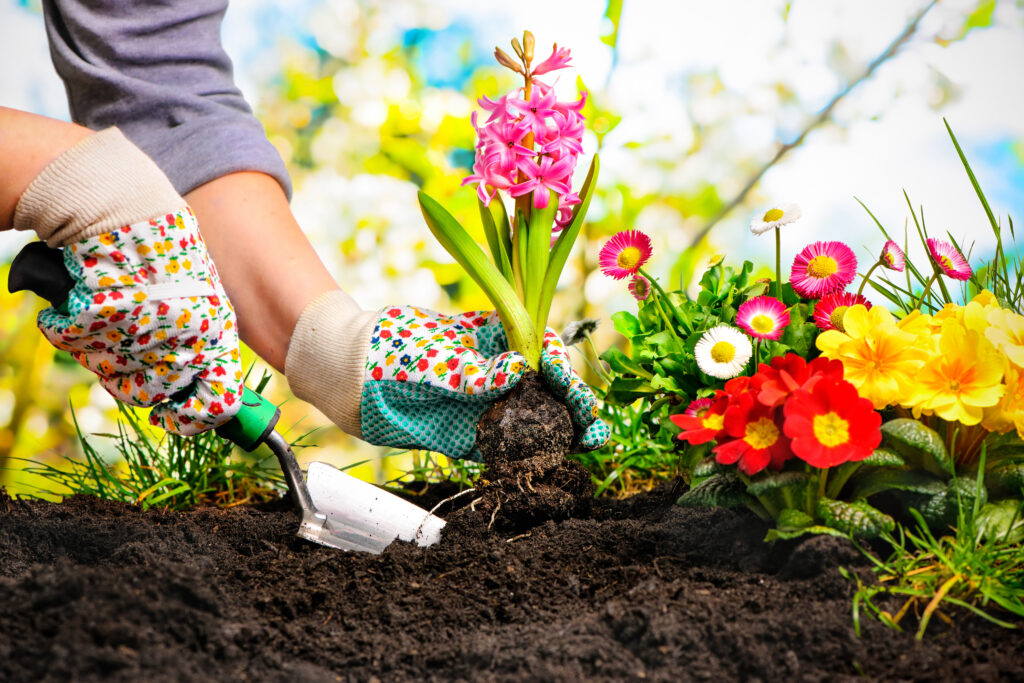
Hand tools form the backbone of any beginner’s gardening collection. These compact tools let you work precisely in tight spaces and give you direct control over your plants.
Essential Trowels And Their Uses
A quality trowel is the workhorse of hand gardening tools. It’s a small shovel with a pointed blade for digging holes, scooping soil, and removing weeds.
Look for trowels with comfortable grips and sturdy construction. Metal blades outlast plastic and don’t bend in tough soil.
The handle should fit comfortably in your hand and not cause blisters. Key
-
- Blade width between 3-4 inches for versatility
- Rust-resistant stainless steel or carbon steel construction
- Ergonomic handles with cushioned grips
- Depth markers on the blade for accurate planting
Most gardening professionals recommend trowels as the first hand tool for beginners. The tool works well for planting bulbs in fall and spring seedlings during warmer months.
Versatile Pruning Shears For Healthy Growth
Pruning shears keep plants healthy by removing dead branches and encouraging new growth. These scissor-like tools cut through stems and small branches up to three-quarters of an inch thick.
Two main types exist: bypass and anvil shears. Bypass shears work like scissors with two blades passing each other. They create clean cuts on living plants.
Anvil shears use one sharp blade cutting against a flat surface. They handle dead wood better but can crush living stems.
New gardeners benefit most from bypass pruning shears. The clean cuts heal faster and reduce disease risk.
Sharp blades require less hand strength and prevent fatigue during longer pruning sessions. Quality pruning shears feature carbon steel blades that hold their edge.
Replaceable parts extend the tool’s lifespan. Safety locks protect fingers when the shears aren’t in use.
December weather in many regions makes this a perfect time to prune dormant shrubs and fruit trees.
Durable Hand Forks And Their Applications
Hand forks have three or four metal tines attached to a short handle. This tool loosens compacted soil, removes weeds with deep roots, and mixes compost into garden beds.
The fork’s tines penetrate soil more easily than a
Gardeners use hand forks to aerate soil around established plants and work amendments into the top few inches of garden beds. Common hand fork uses:
- Loosening soil before planting
- Removing dandelions and tap-rooted weeds
- Mixing fertilizer into potting soil
- Aerating compacted areas around perennials
Expert-tested gardening tools often highlight hand forks for their multiple functions. The tines should be forged from one piece of metal rather than welded.
This construction prevents breakage when working in rocky or clay-heavy soil. Comfortable handles reduce hand strain during repetitive tasks.
Key Advantages And Disadvantages Of Beginner Gardening Tools
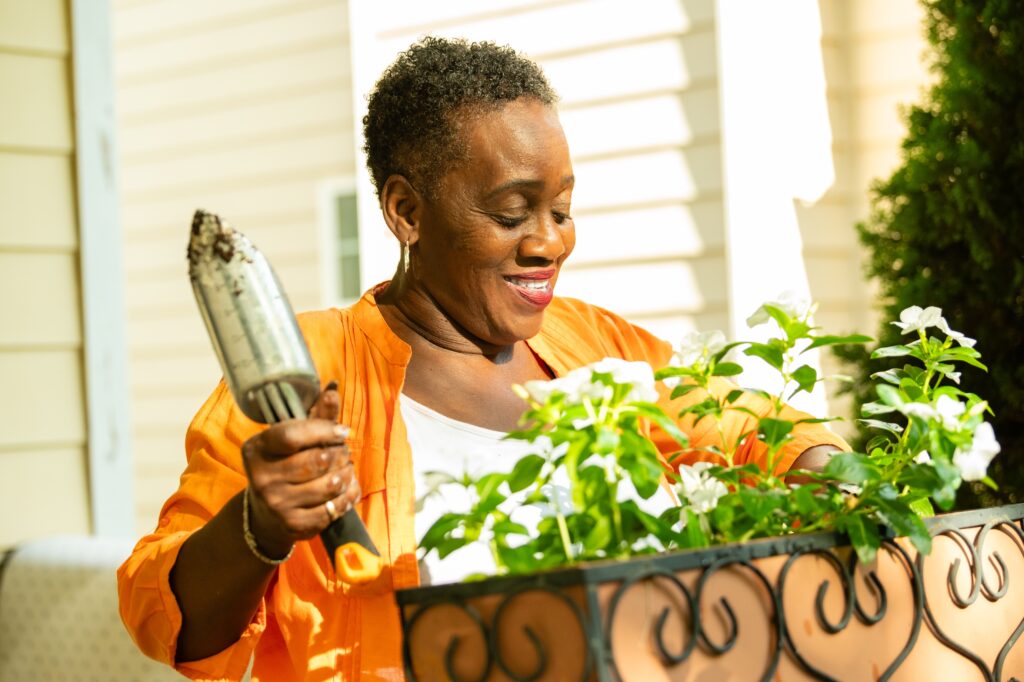
Starting a garden requires the right equipment, but not all tools work the same for everyone. Understanding both the benefits and limits of basic gardening tools helps you make smarter choices about what to buy first.
Unique Benefits Of Ergonomic Tools
Ergonomic tools reduce hand strain and make gardening more comfortable for longer periods. These tools have padded grips that cushion your hands during repetitive tasks like digging or pruning.
The handles are angled to match natural wrist positions. Ergonomic designs help prevent blisters and calluses that often develop with standard equipment.
Many feature longer handles so you don’t have to bend over constantly. This keeps strain off your lower back during planting and weeding sessions.
Gardeners with arthritis or hand weakness benefit most from ergonomic options. The larger grip surfaces distribute pressure across the whole hand instead of just one spot.
Foam padding absorbs shock from hitting rocks or hard soil. Some ergonomic tools cost 20-30% more than basic versions.
They often last longer because quality materials go into their construction. The comfort these tools provide makes longer gardening sessions possible without pain.
Potential Drawbacks To Consider
Budget constraints make it tough for beginners to buy every tool right away. Essential gardening equipment often costs between \$100 and \$200 for a decent starter set.
Quality tools usually need a bigger upfront investment. It can feel like a lot when you’re just starting out and not sure which tools you’ll use the most.
Storage space turns into a headache as you collect more gear. Shovels, rakes, and hoes all need a spot indoors to avoid rust and damage.
Small yards or apartment patios rarely have room for full-size tools. Sometimes you just have to get creative with vertical storage or compact versions.
Some specialized tools only work for one job. Take a bulb planter—fantastic for tulips, but it sits untouched the rest of the year.
Beginners often get sucked in by marketing and end up with tools they barely use. It’s easy to buy more than you actually need.
Heavy metal tools can wear you out fast. Cast iron spades and steel rakes weigh several pounds each, and after an hour, your arms will notice.
Older gardeners or folks with less strength really struggle with traditional tool weights. There’s no shame in choosing lighter options.
Cheap tools break and can be unsafe. Wooden handles split after a few rainstorms. Sometimes metal heads even fly off during use—nobody wants that kind of surprise.
How To Overcome Common Tool Limitations
Buying multi-purpose tools cuts down on both cost and storage headaches. A garden hoe with a detachable head, for example, lets you switch between weeding and cultivating.
Versatile equipment really pays off, handling multiple jobs throughout the season.
Lightweight materials like aluminum and fiberglass make tools much easier to handle. They also resist rust better than old-school steel.
Sure, they cost a bit more, but your arms and back will thank you after a long afternoon in the garden.
Proper maintenance makes tools last way longer. Wipe off dirt after each use to prevent corrosion.
A thin coat of oil on blades keeps them sharp and rust-free. It doesn’t take long and saves you money in the long run.
Tool sharing programs through community gardens are a real lifesaver. You can borrow equipment instead of buying everything at once.
Local garden clubs often lend out specialty tools for seasonal jobs. It’s a smart way to try before you buy.
Renting expensive equipment makes sense for tasks you only tackle once in a while. Power tillers and stump grinders cost hundreds to own but only $40-60 to rent for a day.
Most hardware stores and garden centers have rental options. No need to clutter your shed with giant machines you’ll barely use.
Starting with hand tools instead of power gear keeps your first-year costs down. Manual cultivators and push mowers don’t need gas or electricity, and they give you a bit of a workout too.
Seasonal Gardening Tools: Choosing The Right Equipment Year-Round

Garden tasks shift all year, and the right tools really make things easier. Weather and plant needs change, so you’ll want specific equipment to keep your garden healthy from spring to winter.
Spring Gardening Tool Essentials
Spring is the wildest time in the garden—plants go in, soil gets turned, beds need prepping. A durable spade is your best friend for digging and breaking up compacted winter soil.
Hand trowels are perfect for transplanting seedlings and squeezing into tight spots. Garden rakes help level soil and clear away debris left from winter storms.
A good hoe slices through weeds that seem to pop up overnight once the weather warms. You’ll use it more than you think.
Key Spring Tools:
-
- Heavy-duty spade or shovel
- Hand
trowel for planting - Garden rake for soil prep
- Hoe for weed control
- Pruning shears for trimming damaged branches
Plenty of beginners at Master Gardeners Grow Shop say investing in decent spring tools pays off every year. These get the most action during planting season.
Fall And Winter Tool Recommendations
Fall calls for tools that handle cleanup and prep for the cold. Leaf rakes with flexible tines make gathering leaves a breeze.
A sturdy rake saves you hours during autumn. Pruning tools matter in late fall when you need to cut things back before winter hits.
Loppers handle thick branches that regular pruners can’t touch. A garden fork is handy for turning compost and mixing amendments into beds before everything freezes.
Winter doesn’t need many active gardening tools, but maintenance gear is key. Tool cleaning supplies help keep rust at bay until spring.
A small brush knocks off soil and debris, and a little oil keeps metal from corroding in the damp months.
Essential Fall and Winter Items:
-
- Wide leaf rake
- Heavy-duty loppers
- Garden fork for turning soil
- Tool cleaning brush
- Protective oil for metal surfaces
Seasonal gardening gear that gets proper care always lasts longer. You’ll be glad you took the time when spring rolls around again.
Local Considerations: Selecting The Best Tools For Your Climate
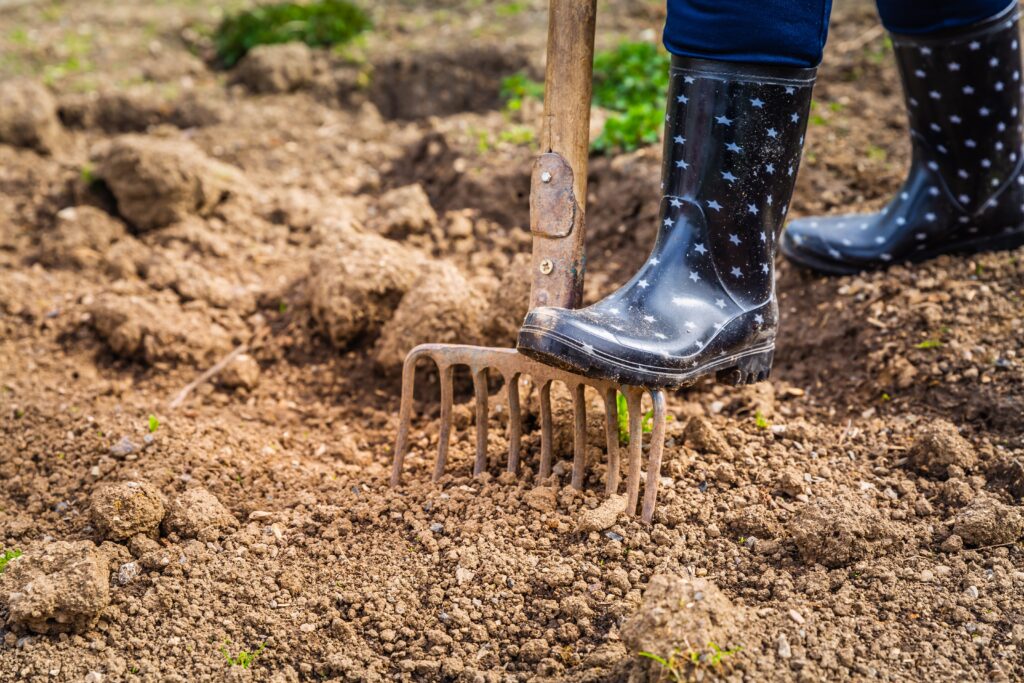
Garden tools work differently depending on your local soil and weather. If you’re just starting out, matching your tools to your growing conditions saves a lot of headaches—and cash.
Identifying Tools Suitable For Local Soils
Soil type really decides what tools you need. Clay soils demand sturdy spades and forks with thick, strong tines to break through dense ground.
Sandy soils are easy to dig, so lighter tools work fine. A soil test kit helps you figure out what you’re dealing with before you buy anything.
Heavy clay in Midwest gardens means you want reinforced handles and sharp edges. In rocky New England, pointed tips help you work around stones.
Digging forks often work better than spades in compacted soils. Their tines penetrate hard ground more easily than a flat blade.
Gardeners with loose, loamy soil can get by with standard spades. It’s all about knowing what’s under your feet.
Understanding climate-specific gardening needs helps you pick the right gear. Tool weight matters too—heavier tools break up tough soil but wear you out in a big yard.
Weather-Resistant Options For Your Region
Climate really affects how long your tools last. Humid coastal areas rust metal tools way faster than dry deserts.
Stainless steel tools resist corrosion better than carbon steel, but you’ll pay a bit more upfront. Tools left outside in rainy places like the Pacific Northwest need water-resistant wooden handles or fiberglass.
Rubber grips don’t last long in the blazing Southern sun. Metal handles get too hot to touch in summer, which is honestly kind of annoying.
Winter freezing and thawing in the North cracks cheap plastic tools. Go for metal with weatherproof coatings—powder-coated steel doesn’t chip or rust as fast.
Where you store tools matters as much as what they’re made of. Even the best ones won’t survive if you leave them out in the rain.
A simple rack in the shed or garage adds years to their life. Wipe tools clean after use to keep rust from sneaking up overnight.
Caring For And Maintaining Your Gardening Tools
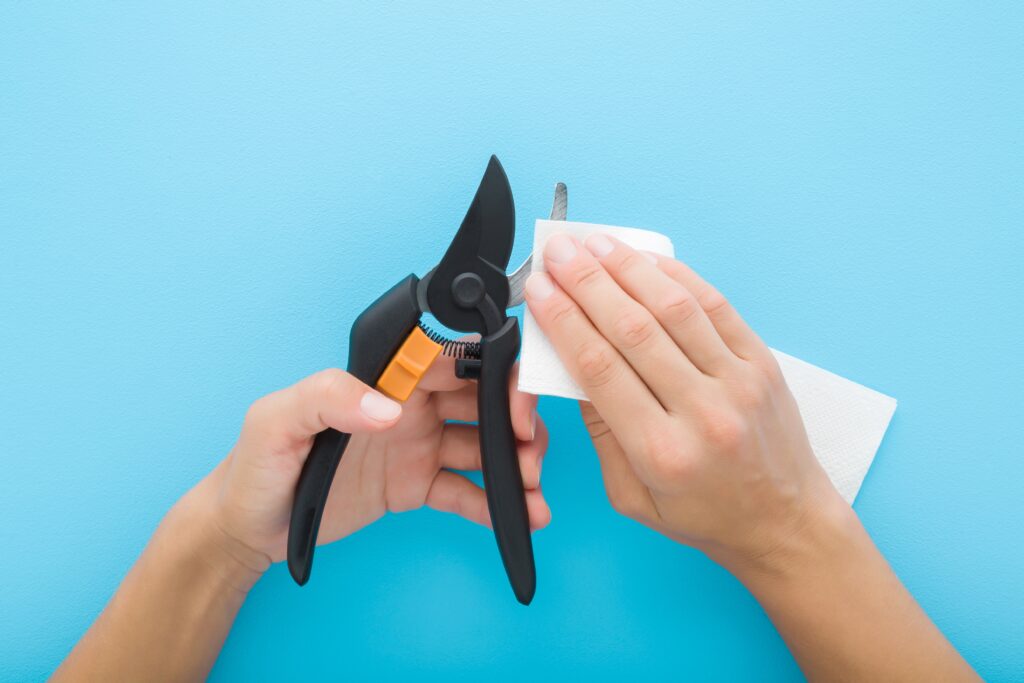
Taking care of your tools keeps them working well and helps them last for years. Clean tools work better and help prevent the spread of plant diseases.
Simple Cleaning And Storage Tips
Clean tools after each use to stop soil and moisture from causing rust. Just wipe off dirt with a dry cloth or brush before you put them away.
If dirt’s really stuck, a bucket of soapy water does the trick. Let tools dry completely before storing—water left on metal will lead to rust soon.
A quick spray of WD-40 or a rub with an oiled rag protects metal surfaces in storage. It’s a tiny step that goes a long way.
Best storage practices include:
-
- Hang tools on wall hooks to keep them off damp floors
- Store tools in a dry shed or garage
- Keep sharp blades covered with blade guards
- Organize tools so you can actually find them when you need them
Proper storage keeps tools in good shape and prevents accidents. Leaving them on the ground just invites rust and makes you trip over them. December’s a great time to get your tools organized for winter.
How To Prolong Tool Lifespan
Sharp tools make gardening easier and safer. Dull blades take more effort and can actually hurt your plants.
Pruning shears, shovels, and hoes need sharpening once or twice a season. A simple metal file works for most blades—no fancy gear required.
Regular maintenance also means checking handles for cracks or splinters. Sand wooden handles lightly and give them a coat of linseed oil once a year to stop them from drying out.
Don’t forget moving parts. Pruners and loppers have bolts that loosen up over time. Tighten them and add a drop of oil to keep things running smoothly.
Key maintenance tasks:
-
- Sharpen blades before spring planting
-
- Oil wooden handles yearly
-
- Tighten loose bolts and screws
-
- Replace broken parts right away
Tools from Master Gardeners Grow Shop come ready to use, but they still need regular care. Winter’s a good time to inspect and fix up your gear before the busy season starts.
Where To Buy The Top 10 Must-Have Gardening Tools For Beginners
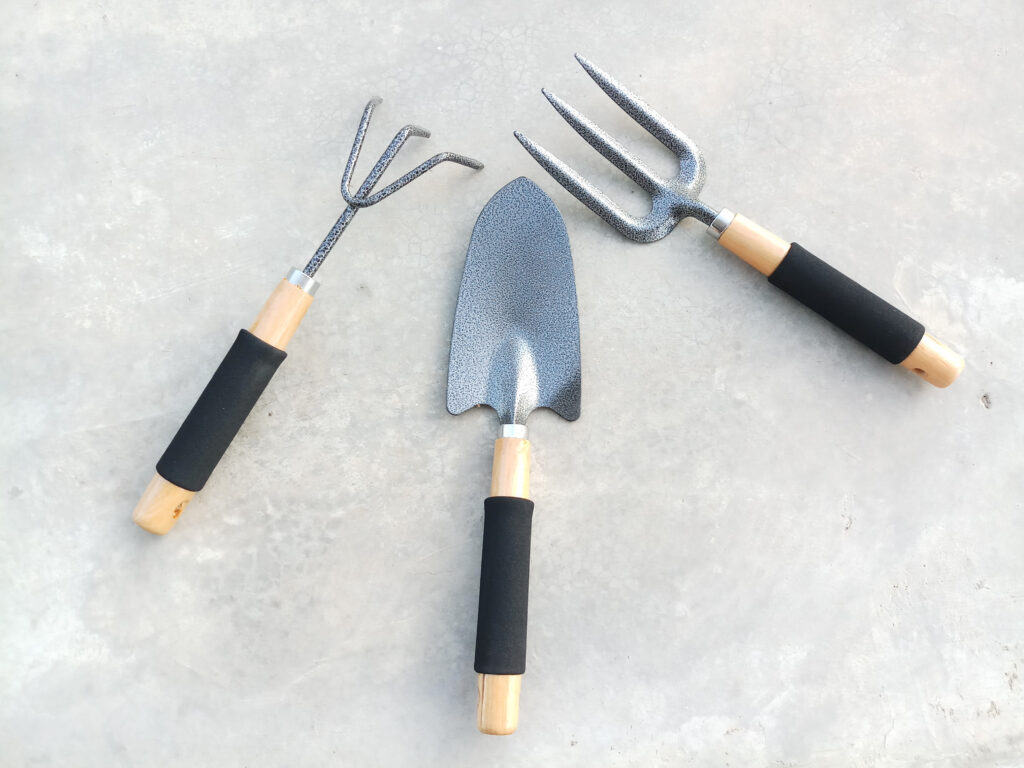
Finding quality gardening tools doesn’t have to be a hassle. New gardeners can check out local nurseries, big-box hardware stores, or browse online to build a solid starter kit.
Navigating Online Stores For Gardening Tools
Online shopping opens up the widest selection of gardening tools for beginners. Amazon alone lists thousands of options, and those customer reviews? They can be a lifesaver for folks trying to make a smart choice.
Shoppers get to compare prices, check out detailed product descriptions, and weigh different brands before clicking “buy.” Most online retailers sort tools by category, so finding hand tools, digging gear, or watering supplies is straightforward.
Filter options help narrow results by price, brand, or rating. Amazon Prime members, for example, snag free two-day shipping on eligible items. That perk saves on delivery and gets tools to your doorstep quickly.
Reviews on Amazon share real experiences with durability and ease of use, which is honestly more helpful than any marketing blurb. Many online stores also offer starter kits that bundle the basics together.
These kits usually cost less than buying tools one by one. For new gardeners, it’s a quick way to get set up without overthinking every purchase.
Benefits Of Buying From Master Gardeners Grow Shop
Master Gardeners Grow Shop focuses on tools handpicked by experienced gardening pros. The shop stocks products tested and approved by master gardeners who really get what beginners need.
Staff members offer expert guidance on tool selection and answer questions about which tools work for specific projects or soil types. This kind of advice helps new gardeners skip unnecessary purchases.
The shop leans into quality over sheer variety. Every tool meets standards for durability and performance. Beginners don’t have to worry about flimsy equipment that falls apart after a few uses.
Master Gardeners Grow Shop tends to stock brands with beginner-friendly features—think ergonomic handles and lightweight designs. There’s something for every budget, from affordable basics to premium options if you’re ready to invest.
Shopping at Master Gardeners Grow Shop supports a business that values gardening education. They often toss in care guides and tips with your purchase, which, honestly, is a nice touch if you’re just getting started.
Key Takeaways And Next Steps For New Gardeners
The right tools just make gardening easier and, dare I say, more fun—especially when you’re new to it. Making smart buying choices lets you build a good collection without blowing your budget.
Recap Of Essential Gardening Tools
New gardeners need a handful of core tools to cover most basic tasks. A solid hand
Pruning shears trim dead growth and shape plants as they grow. A garden hoe breaks up soil and clears weeds between rows. A sturdy rake levels out beds and gathers up leaves or debris.
A watering can or hose with an adjustable nozzle delivers water gently, so you don’t snap delicate stems. A garden fork loosens compacted soil and mixes in compost. These basics from Master Gardeners Grow Shop cover most of what beginning gardeners face in their first season.
A hand cultivator stirs soil around established plants. A kneeling pad saves your knees during long planting sessions. And a measuring tape? Handy for getting plant spacing right, especially if you’re following seed packet directions.
Getting The Most Value From Your Purchase
Quality tools outlast the cheap stuff that breaks after a season. Stainless steel resists rust better than plain carbon steel, especially if your climate gets wet. Wood handles with the right grain orientation stick around for years without splitting.
It makes sense to buy tools gradually as your needs pop up. Starting with five essentials keeps you from wasting money on things you’ll never use. Lots of gardeners find they can start small—maybe just a
Shopping during fall clearance sales can save a chunk of change on good brands. Local hardware stores often mark down gardening tools in September and October. Buying at the end of the season from the Master Gardeners Grow Shop means you’re ready for spring without the rush.
Taking care of your tools makes them last. Scrape off soil after each use to stop rust before it starts. Sharpen pruner blades once a year for clean cuts and healthier plants.
Future Gardening Tool Trends And Innovations
Electric and battery-powered tools are edging out manual ones for lots of jobs. Cordless tillers work well in small gardens—no gas fumes or engine noise. Lightweight battery hedge trimmers really cut down on arm fatigue, especially during big pruning jobs.
Smart irrigation controllers adjust watering based on weather data. These gadgets connect to WiFi and help you avoid wasting water when it rains. Soil moisture sensors let you know when plants actually need water, rather than sticking to a rigid schedule.
Ergonomic handles make life easier for gardeners with arthritis or joint pain. Some tools now have rotating or telescoping handles, so you can keep your wrists happy and adjust for your height without buying a whole new set.
Emerging Tool Categories:
-
- Soil testing apps that scan photos for nutrient issues
-
- Collapsible tools for balcony gardeners in apartments
-
- Compostable plant pots to cut down on plastic waste
-
- UV-resistant storage for tools and gear
We’re seeing more tools made from bamboo and recycled plastic every year. Those options appeal to gardeners who want to tread a little lighter on the planet. Tools from Master Gardeners Grow Shop now include more eco-friendly materials than ever.
How To Get Started With The Right Tools
Starting a garden feels a lot less intimidating when you’ve got the right tools in your hands. These ten essentials can help any beginner lay a solid foundation for years of successful growing.
Each tool serves a purpose throughout the season. A sturdy
Start with the basics and add specialized tools as you learn. The hand
Local garden centers usually carry tools suited to your region’s soil and climate. Shopping close to home means you can talk to staff who know what works around here. December’s honestly a great time to research and plan your tool buys for spring.
Beginners can find quality gardening tools and supplies at the top 10 must-have gardening tools for beginners. The shop focuses on reliable gear that won’t break the bank for new gardeners.
Master Gardener programs offer ongoing education for anyone looking to dig deeper into horticulture. They connect you with research-backed info and a community of fellow plant lovers.
Take the first step today. Pick three tools from this list and make a promise to yourself—next season, you’re starting that garden. Visit the Master Gardeners Grow Shop to find beginner-friendly options that fit your budget and goals.
Frequently Asked Questions
New gardeners always have questions about picking the right tools, taking care of them, and adapting as the seasons change. Getting a handle on these basics builds confidence and sets you up for a smoother gardening experience.
What essential tools should every beginner gardener own?
Every new gardener needs a core set of basics. A sturdy hand
A garden spade digs holes and turns soil. Garden gloves keep your hands safe from thorns, blisters, and dirt. A watering can or hose with an adjustable nozzle makes it easier to give plants just the right amount of moisture.
A garden rake levels soil and clears out debris. With these six tools, most beginners can handle the essentials without getting overwhelmed.
How can new gardeners select quality gardening tools within their budget?
Quality tools last longer and just plain work better. Look for solid construction—metal parts instead of flimsy plastic. Wooden or fiberglass handles feel good in the hand and don’t snap under normal use.
It’s smarter to buy fewer high-quality tools than a bunch of cheap ones. A good hand
End-of-season sales are a great way to snag deals on solid brands. Sometimes your local hardware store beats the big box chains on price. Reading reviews helps you spot which brands actually hold up.
The top 10 must-have gardening tools for beginners guide gives specific recommendations that balance price and quality. Try not to buy huge tool sets that include stuff you’ll never use.
What are the safety considerations when using gardening tools for the first time?
Sharp tools need careful handling. Always cut away from your body with pruners or knives. Closed-toe shoes protect your feet from dropped tools or accidental slips.
Gloves prevent blisters and keep thorns or splinters at bay. Heavy-duty gloves work best for rough jobs. Clean tools help stop the spread of plant diseases.
Store tools safely to avoid accidents in the shed or garage. Keep sharp edges pointed away from walkways. Hang long-handled tools or lean them securely, so they don’t fall over.
Read instructions before using a tool for the first time. Most injuries happen when someone uses a tool for the wrong job. Take breaks—tired hands make careless mistakes.
How does the choice of gardening tools vary with different seasons?
Different seasons call for different tools. Spring means seed-starting supplies, transplanting trowels, and soil prep tools like spades and rakes. As the season rolls on, maintenance takes center stage.
Summer brings watering and weeding. A good hoe helps clear weeds quickly, and pruners keep plants in shape during the growing months.
Fall is for harvesting and cleanup. Baskets or containers help collect produce, rakes gather leaves, and spades divide perennials before winter sets in.
Winter focuses on tool care and planning. It’s a good time to sharpen blades, oil wooden handles, and tidy up storage. In mild climates, cool-season crops still need basics like trowels and watering cans.
The top 10 must-have gardening tools for beginners cover these seasonal needs. December’s a great time to review what worked this year and decide what to replace for next season.
What maintenance tips can prolong the life of gardening tools?
Regular cleaning really does wonders for tool life. When you remove dirt after each use, you fight off rust and keep blades sharp.
Just rinsing with a hose usually gets rid of most soil. If mud sticks around, a quick wipe with a rag gets the job done.
Sharpening cutting tools helps them work better. Pruning shears and hoes especially need sharp edges to stay effective.
A basic file or sharpening stone works for most folks. If you’ve got something tricky, there are pros who can sharpen those complex tools.
Oiling metal parts keeps rust at bay during storage. I usually reach for vegetable oil or a tool oil—either one protects surfaces nicely.
Wooden handles need a little love too. Rubbing in some linseed oil once or twice a year helps stop them from cracking.
Stash your tools somewhere dry to dodge weather damage. Hanging them on walls keeps things tidy and prevents handles from getting banged up.
If you store tools outside, try covering the area to shield them from rain and snow. It’s a simple step, but it makes a big difference.
Give your tools a quick check before each use. If you spot loose handles or bent parts, fix them right away to avoid bigger headaches—or worse, injuries.
Can sustainable gardening practices be implemented with the use of basic tools, and if so, how?
Basic tools really do support sustainable gardening. Hand tools don’t need electricity or fuel, which is a relief for both your wallet and the planet.
They let you work more precisely, so you disturb less soil and keep those little underground critters happy. A simple
Hand weeding pulls up the troublemakers without resorting to chemicals. If you water with a can, you get to decide exactly how much each plant receives—no waste, no guesswork.
Choosing sturdy tools matters more than you might think. Metal and wood tools stick around for years, and you can usually fix them up instead of tossing them.
Honestly, I’ve seen some tools handed down between generations, still doing their job. That’s way better than sending broken plastic gadgets to the landfill.
Spreading mulch from local sources? You just need a rake or pitchfork. With those, you can build healthy soil without leaning on synthetic products.
Hand pruning keeps plants happy, and you don’t need noisy power tools for that. It’s surprisingly satisfying, too.
The top 10 must-have gardening tools for beginners highlight gear that works alongside nature, not against it.
I’ve noticed that Master Gardener volunteers love sharing tips for using simple tools in sustainable ways.
Composting? You just need a pitchfork or shovel to turn the pile now and then. Rain barrels make it easy to collect water for those dry spells, and watering by hand feels a bit meditative.
All these methods shrink your environmental footprint and keep gardening doable for just about anyone, even if you’re just starting out.