**Disclaimer**
Master Gardeners Grow Shop is an independent online business operated by individuals trained through Cooperative Extension Services Master Gardener and Master Composter programs. We are not affiliated with or endorsed by the U.S. or Canadian Cooperative Extension System or any state Extension Services.
This page contains affiliate links. Master Gardeners Grow Shop is a participant in the Amazon Services LLC Associates Program, an affiliate advertising program designed to provide a means for sites to earn advertising fees by linking to Amazon.com. We earn commissions on qualifying purchases. View full affiliate disclosure (#Affiliate Disclosure)
Ready to kickstart your gardening journey and boost your confidence this New Year?
Discover The Master Gardeners Grow Shop “Top Easy-to-Grow Plants” that anyone can master—even if you’ve never planted a seed before!
This success guide is best for beginners; it will help you grow your green thumb and create a thriving garden with minimal effort. Let’s get growing!
Starting anything new, especially a garden, can feel intimidating at first to any new gardener. But honestly, watching your own plants grow is one of those little wins that can make you feel like you actually know what you’re doing.
The new year feels like the right time to try something new. Gardening isn’t just about pretty flowers—it’s about patience, learning, and making something beautiful with your own hands.
For beginners and even seasoned gardeners, picking the right plants can mean the difference between giving up and feeling accomplished.
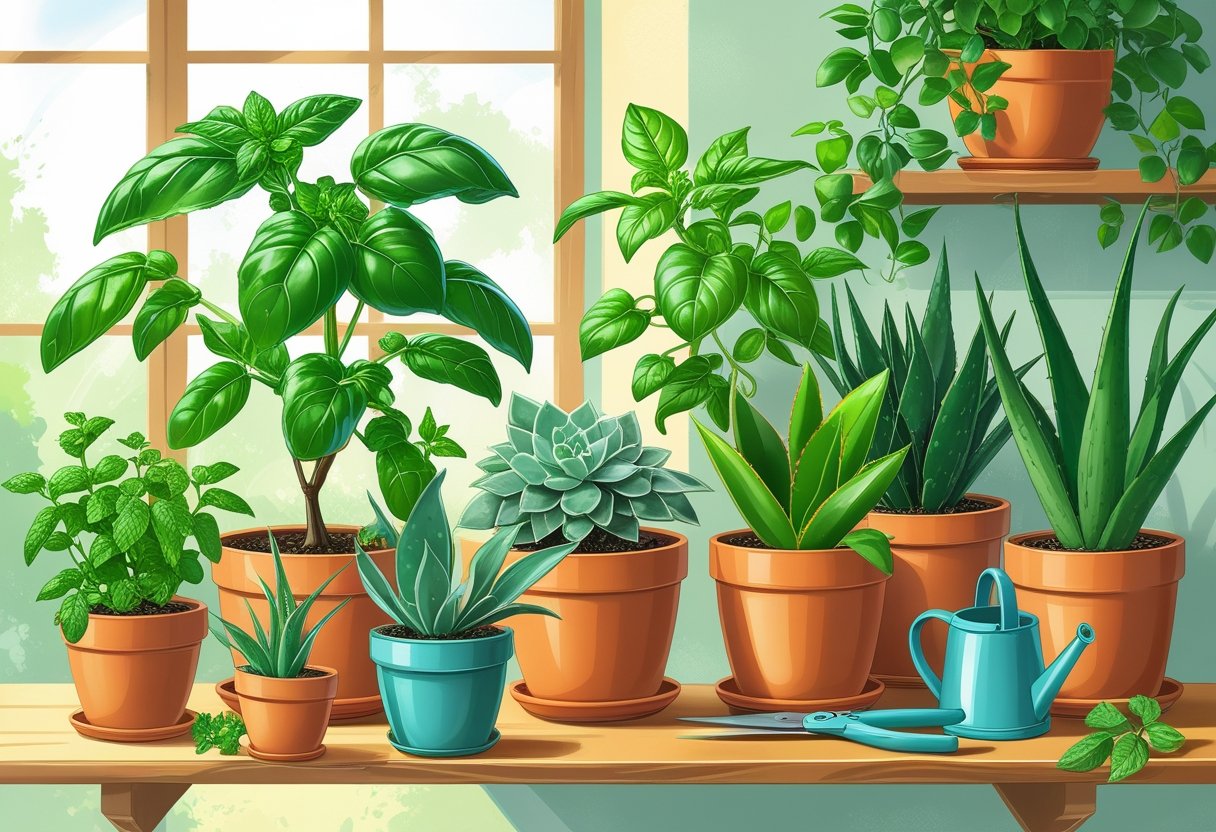
A lot of folks worry they don’t have a green thumb or enough free time. But some plants are way more forgiving than others, and honestly don’t need much to thrive.
If you match your plant choices to your local climate, you’ll find some varieties almost grow themselves.
This success guide highlights beginner-friendly plants that are perfect for boosting your gardening confidence. Each one can thrive with basic care and adapt to a range of conditions, so you’ll actually see progress without too much fuss.
You’ll also find zone-specific tips, a quick look at essential tools, and some practical advice for common beginner headaches.
A Fresh Start: How Plants Inspire New Year’s Confidence
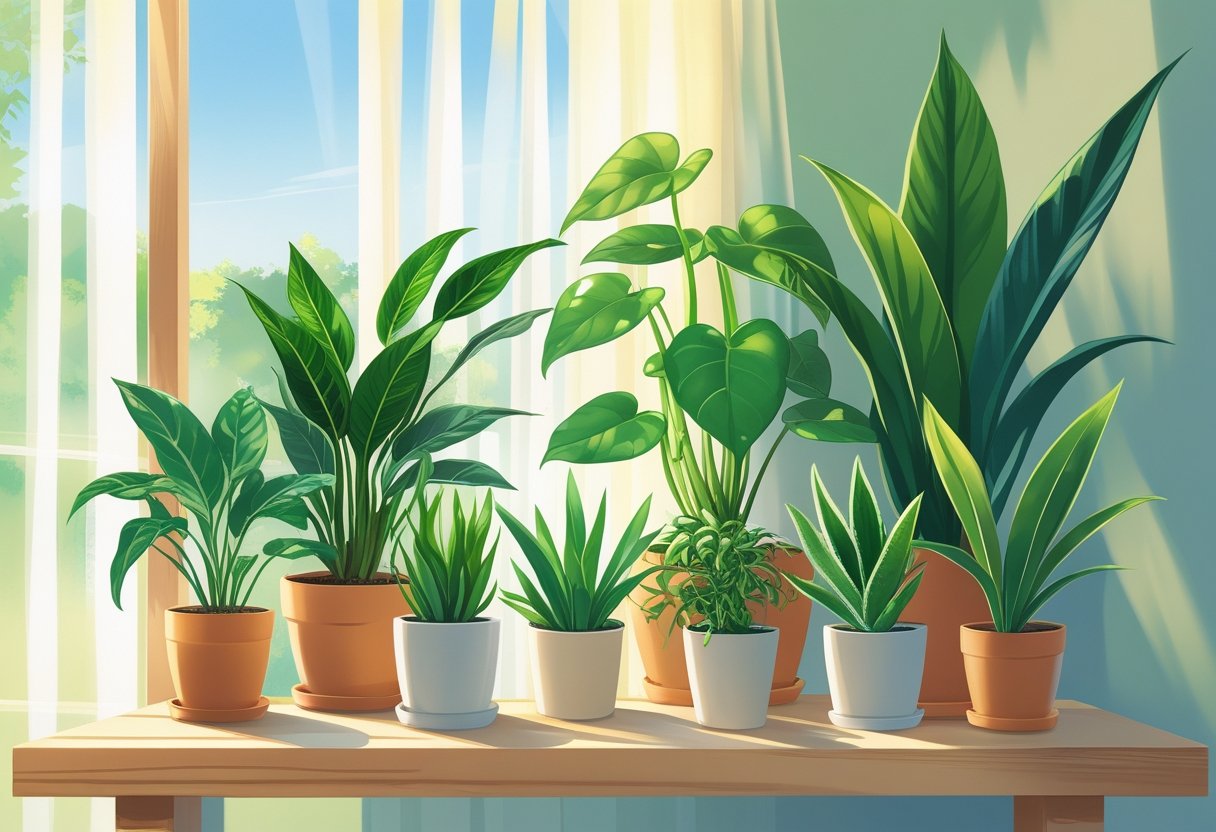
Growing plants isn’t just about making your place look good. Nurturing something from seed to bloom is a real confidence booster.
Let’s be honest, everyone feels self-doubt when trying something new. Plants give you feedback right away—if a seedling sprouts or a flower opens, you did something right.
Flowers have always symbolized new beginnings in so many cultures. That makes them a natural fit for January resolutions or any fresh start.
Why Plants Build Confidence:
- They respond to your care and attention
- You see visible, measurable progress
- Mistakes turn into learning moments
- Small victories add up
- They only need simple, steady effort
The process of tending plants teaches patience and observation. You start noticing tiny changes—like leaf color or soil dryness—that you probably ignored before.
Choosing easy-to-grow varieties reduces much of the fear. When you start with forgiving plants, you get those early wins that motivate you to keep going.
Bringing fresh plants and flowers indoors can really lift your mood, especially in the winter. Every new leaf is a little reminder that you’re making progress, both as a gardener and, honestly, as a person.
What Makes a Plant Easy to Grow?
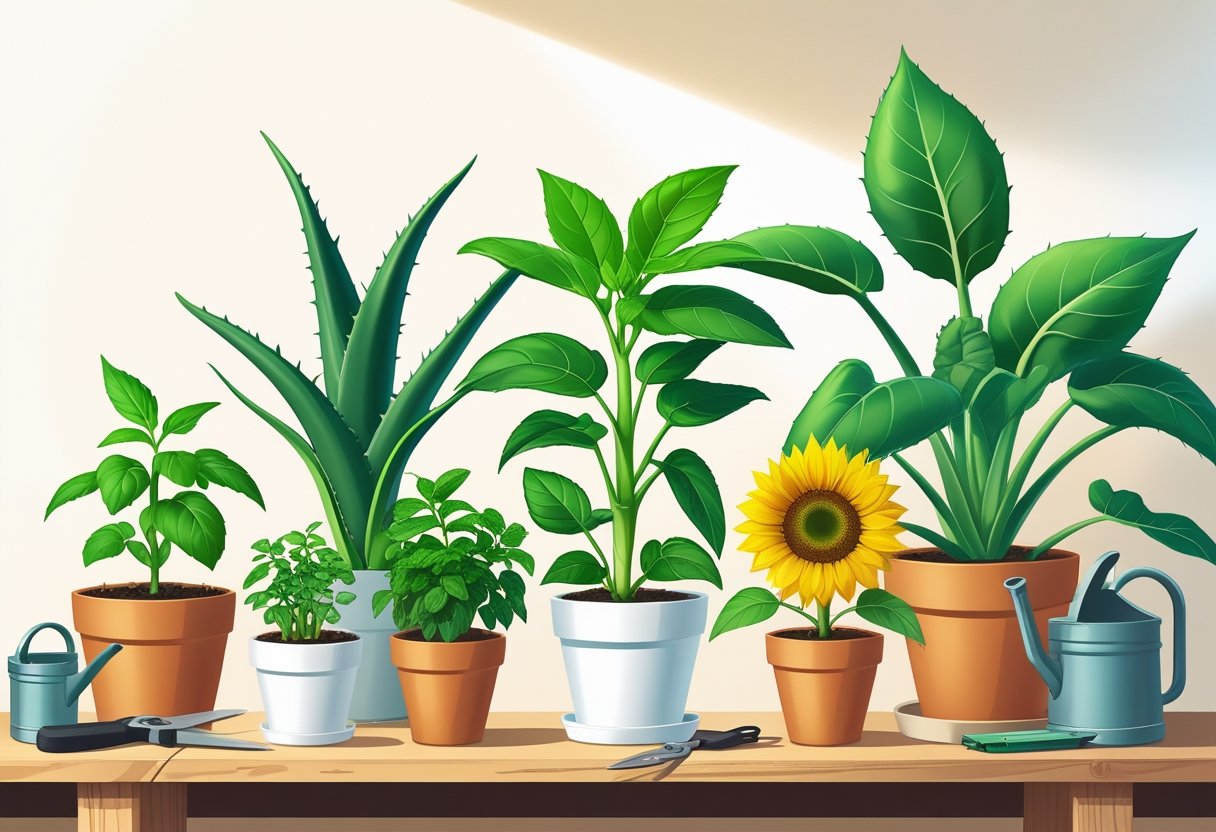
Some plants make life easier for beginners. They don’t need fancy skills or constant attention, and they forgive many common mistakes.
Low Maintenance Essentials
Low-maintenance plants survive with basic care—think water, sunlight, and the occasional feeding. Most only need watering once or twice a week, not every day.
They’re usually happy in normal home temperatures, somewhere between 65 and 75°F. You don’t have to fuss with heaters or humidifiers.
These plants don’t freak out if you forget to fertilize. A monthly dose of all-purpose fertilizer during spring and summer is plenty. Pruning and deadheading? Not really necessary for most of them.
- They can handle a bit of drought
- Flexible about light (from low to bright indirect)
- Don’t attract a ton of pests
- Grow slowly, so you don’t have to repot all the time
Most do just fine in regular potting soil. When they need something, like water, they usually show it—leaves droop or look a little sad.
Beginner-Friendly Traits
Great beginner plants have obvious growth patterns and bounce back from minor neglect. Their roots are tough, so they don’t give up if you mess up once or twice.
They don’t need perfect lighting, either. If something’s off, like too much water or not enough humidity, the leaves will tell you by changing color or getting crispy edges.
Plus, these plants are easy to propagate. You can grow more from cuttings or by dividing them, so you can share with friends or fill your space without spending more money.
Most garden centers carry these plants, so finding replacements is never a hassle.
Common Mistakes and How to Avoid Them
Honestly, overwatering is the number one killer of beginner plants. Most easy-care types like their soil to dry out a bit between waterings.
Always check the top inch of soil with your finger before you grab the watering can.
Poor drainage is another big problem. Make sure your pots have holes at the bottom—pebbles won’t actually help with drainage, no matter what you’ve heard.
Top mistakes to avoid:
- Using outdoor soil indoors
- Putting plants near heaters or drafty windows
- Letting pests go unchecked
- Repotting too often or using pots that are way too big
Another common misstep? Over-fertilizing. More isn’t better—too much can burn roots and damage leaves. Just follow the directions and feed during the plant’s active growing season.
Zone-Based Gardening: Selecting Plants for Your Area
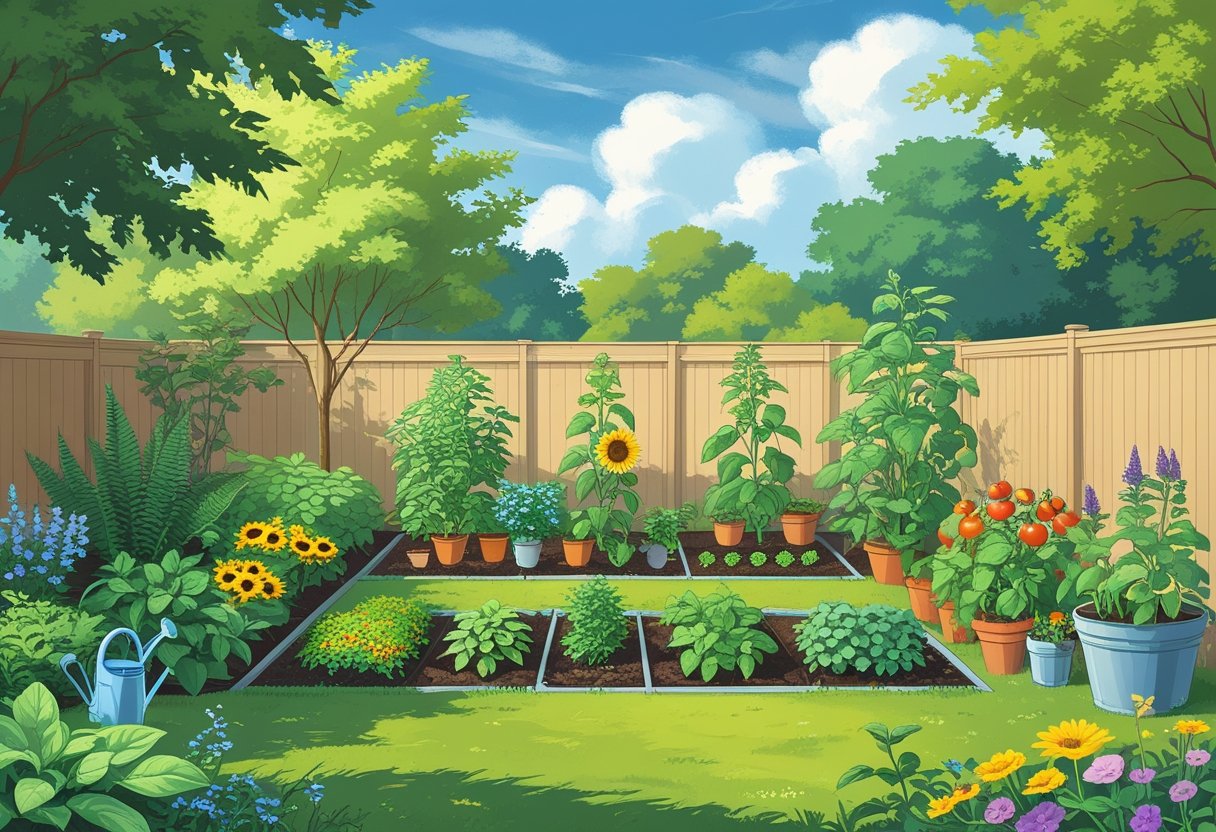
Not every plant grows well everywhere. Temperature and weather matter, so matching your plant choices to your local climate saves a lot of frustration.
Understanding Plant Hardiness Zones
The USDA divides the country into zones based on winter cold. Each zone is about 10°F warmer or colder than the next.
Zone 3 is super chilly, while Zone 13 is basically tropical. You can find your zone by entering your ZIP code online.
Zones are sometimes split into “a” and “b” for more detail. That helps if you want perennials to survive winter.
The zone rating tells you if a plant will survive your coldest winter. If a plant is rated for Zone 5, it’ll make it in Zone 5 or warmer, but not in Zone 4 or lower.
Choosing Plants That Thrive Locally
Picking the right plant isn’t just about your zone. You should also pay attention to things like microclimates, soil type, and how much sun or wind your spot gets.
Local nurseries and garden centers usually stock plants that do well in your area. Chatting with nursery staff can give you tips that you won’t find on a tag or website.
Key factors for local plant selection:
- Tolerance for summer heat
- How much rain you get (and drought resistance)
- Soil type—clay, sand, or loam
- First and last frost dates
- Wind exposure
Native plants are often your best bet. They’ve adapted to your area and usually need less water, fertilizer, or pest control. That makes them excellent for building confidence as you learn.
Easy-To-Grow Plants That Will Boost Your Confidence For The New Year
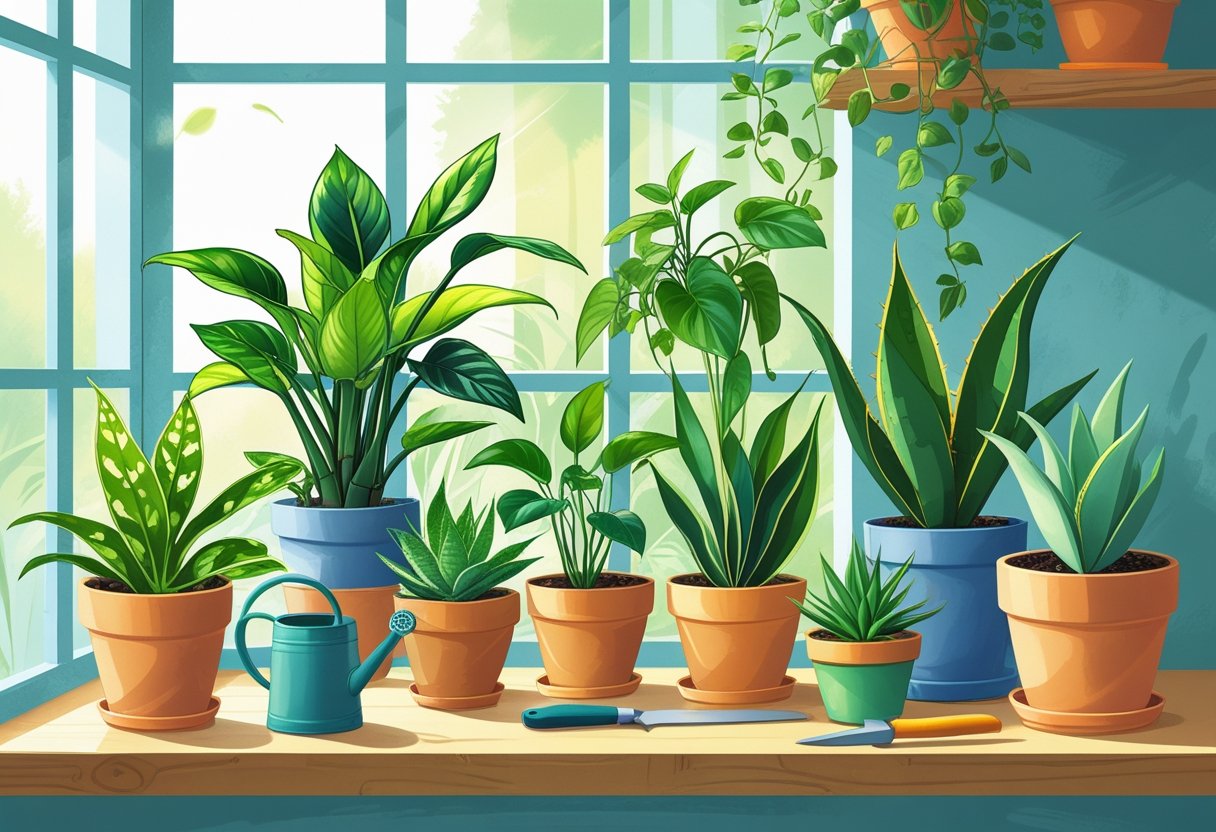
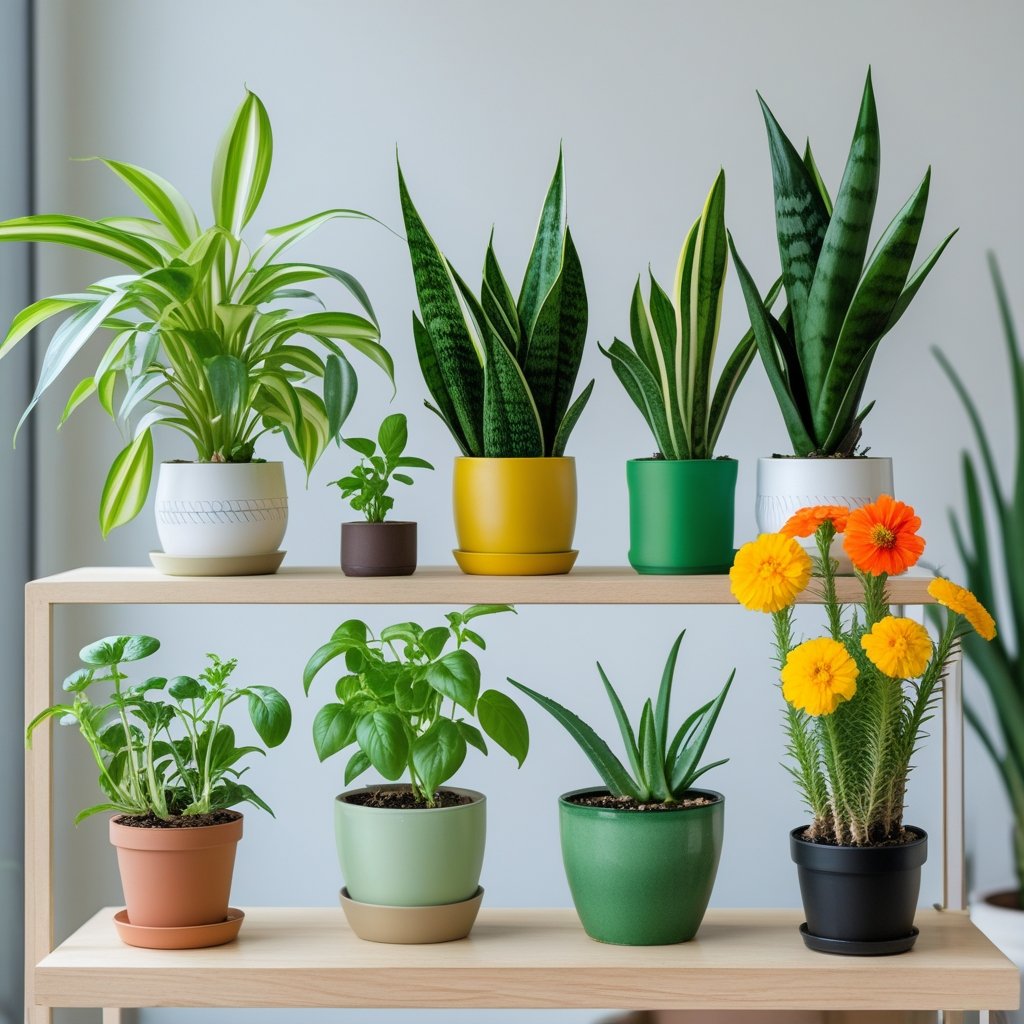
Here are the easiest plants that basically thrive on neglect (well, almost). Each one brings something special—maybe it cleans your air, perhaps you can eat it, or maybe it just makes your space feel alive.
Peace Lily: Purifying Your Indoor Space with Ease
The peace lily is a classic for beginners. It practically talks to you—leaves droop when it’s thirsty and perk up fast after watering.
This plant thrives in low to medium light, so it’s great if you don’t have big sunny windows. Peace lilies help purify the air by removing toxins such as benzene and formaldehyde.
They’re happy in most homes, preferring 65-80°F. Water once a week or when the leaves look sad. Keep it in low to medium indirect light—bathrooms or north-facing rooms are perfect.
The white blooms show up several times a year if you give them a little care. Flowers last for weeks and really class up any room.
They rarely need fertilizer, but a monthly feed in spring and summer can help them bloom more. If you forget to water, don’t panic—they bounce back fast.
If you see brown tips, it’s probably too much sun or maybe chlorine in your tap water. Try filtered water and see if that helps.
Spider Plant: A Resilient Green Companion
Spider plants grow baby plantlets, called “spiderettes,” that dangle from the mother plant on long stems. You can snip these babies off and plant them to get new plants for free.
This natural propagation makes spider plants perfect for sharing with friends. They adapt to a range of light, from bright indirect to moderate shade.
Spider plants handle inconsistent watering better than most houseplants. Their striped, green-and-white leaves add a burst of visual interest to hanging baskets or shelves.
They grow quickly and need very little maintenance year-round. Spider plants prefer temperatures between 60-75°F, but honestly, they’ll hang on even if it gets a bit colder.
Root-bound plants make more babies, so repotting every couple of years works well. If you’re looking for something reliable, these guys deliver.
Key benefits:
- Removes carbon monoxide and xylene from the air
- Safe for pets
- Produces multiple offspring naturally
- Thrives in various lighting conditions
Brown tips on spider plant leaves usually mean there’s too much fluoride or salt in the water. Try switching to rainwater or distilled water to prevent this.
Spider plants bounce back from both overwatering and underwatering. They forgive a lot, which is honestly a relief for anyone still learning.
Aloe Vera: An Effortless Healer
Aloe vera stores water in its thick, fleshy leaves, so it survives weeks without watering. This succulent prefers bright, indirect light but can handle some gentle morning sun.
The gel inside the leaves soothes minor burns, cuts, and skin irritations. Aloe feels like a must-have for any kitchen windowsill, just in case.
Growing requirements:
| Factor | Requirement |
|---|---|
| Water | Every 2-3 weeks |
| Light | Bright indirect |
| Soil | Cactus or succulent mix |
| Temperature | 55-80°F |
Aloe grows slowly and barely ever needs repotting. It produces offsets, called “pups,” at the base that you can separate and plant.
Well-draining soil keeps roots healthy and prevents rot. That’s the main thing that kills aloe, so don’t let it sit in soggy soil.
Aloe vera thrives on neglect more than attention. Overwatering is a bigger danger than forgetting to water for a while.
When healthy, the leaves feel firm and plump. If you notice limp leaves, it’s probably time to check your watering habits.
Place aloe near a sunny window for best growth. Some varieties even send up tall flower spikes with orange or yellow blooms—always a pleasant surprise.
Snake Plant: A Low-Light Champion
Snake plants thrive in almost any indoor environment. They tolerate low light, infrequent watering, and temperature fluctuations.
The upright, sword-shaped leaves add a bold, architectural vibe to modern spaces. Snake plants make a room look more put-together.
This tough houseplant converts carbon dioxide to oxygen at night, unlike most plants. That makes snake plants a smart pick for bedrooms.
They grow slowly and stay compact for years without needing to be repotted. You can set it and forget it.
Water snake plants every 2-4 weeks, depending on conditions. Let the soil dry out completely between waterings.
Yellow or mushy leaves usually mean you’ve overwatered. That’s the most common problem, so err on the side of too dry rather than too wet.
Different varieties include:
- Sansevieria trifasciata (traditional upright)
- Bird’s nest snake plant (short, rosette form)
- Cylindrical snake plant (round leaves)
Snake plants handle temperatures from 50-85°F without fuss. They rarely attract pests and never need misting.
They’ll grow in the same pot for 5 to 10 years before becoming root-bound. That’s a long run for so little effort.
Direct sun can scorch the leaves, while deep shade slows growth to almost nothing. Moderate indirect light is the sweet spot.
Pothos: A Hardy Beauty for Any Room
Pothos vines grow quickly and trail beautifully from hanging baskets. You can also train them to climb up moss poles for a different look.
The heart-shaped leaves come in gold, white, or neon varieties. Pothos is easily one of the best beginner plants out there.
Pothos tolerates low light but grows faster in bright, indirect light. They adapt to a wide range of humidity levels and temperatures.
If they’re thirsty, the leaves curl down a bit, which is a handy signal. It’s almost like the plant is trying to communicate—charming, honestly.
Propagation steps:
- Cut a 4-6-inch stem below a node
- Place the cutting in water
- Wait 1-2 weeks for roots
- Plant in soil once roots reach 2 inches
Pothos helps purify air by removing formaldehyde and benzene. They’ll even grow in water forever, no soil needed.
Yellow leaves usually mean overwatering. Brown edges? That’s probably underwatering or low humidity.
These vines can reach ten feet or more indoors if you let them. Trim them to encourage bushier growth and use those cuttings to start new plants.
Advantages of Growing Easy Plants
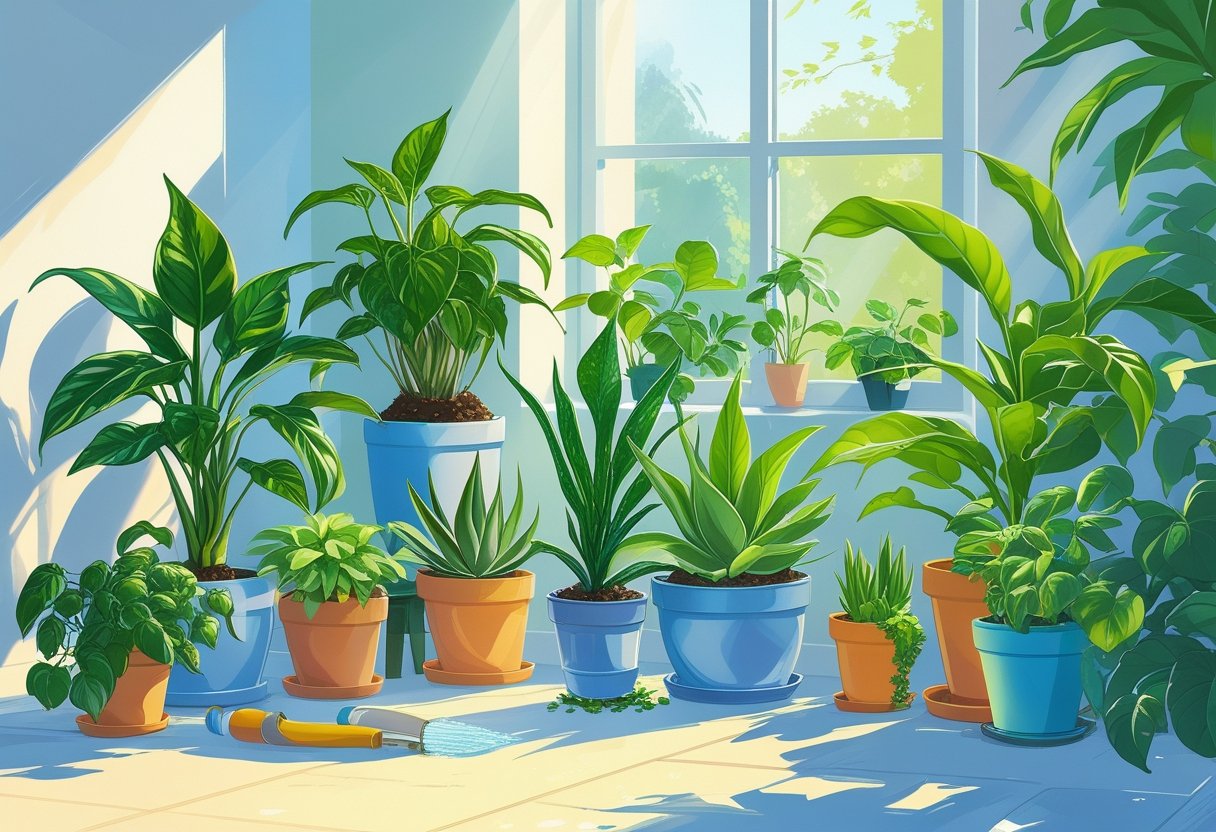
Growing easy plants gives you more than just a few green leaves. The perks go way beyond gardening—they touch on personal growth, health, and the joy of having fresh greenery all year.
Building Gardening Confidence
Starting with easy-to-grow plants helps new gardeners build skills without feeling overwhelmed. When plants thrive with just a bit of effort, you begin to believe you’ve got a green thumb after all.
This early success encourages you to try more challenging plants later. You learn basic gardening principles like watering, soil, and sunlight through hands-on experience.
Each healthy plant is proof that you can nurture living things. Hardy plants are forgiving, so you get room to learn without the heartbreak of constant failure.
Key confidence-building benefits include:
- Learning care techniques through real practice
- Understanding plant needs without pressure
- Experiencing success that keeps you motivated
- Building problem-solving skills in a low-stress way
Health and Wellness Benefits
Growing plants offers real mental and physical health perks. Gardening naturally reduces stress—working with soil and plants calms the mind and gives you a break from daily worries.
Physical activities like digging, planting, and watering strengthen muscles and boost flexibility. It’s a gentle exercise that fits almost any fitness level.
Even a few houseplants improve air quality by filtering toxins and releasing oxygen. That makes your living space healthier for everyone.
Growing your own veggies and herbs means fresh, pesticide-free food. There’s something extra satisfying about eating what you’ve grown yourself.
Year-Round Enjoyment
Easy plants adapt to a wide range of seasons and conditions. You can pick varieties that fit your climate, so something’s constantly growing—even in winter.
Indoor plants like pothos, snake plants, and spider plants keep the garden vibe going year-round. These beginner-friendly plants need little care but offer constant visual appeal.
Switching things up seasonally keeps gardening interesting. Spring bulbs, summer veggies, autumn crops, and winter greens—there’s always something new to look forward to.
Perennial easy plants, like rosemary and thyme, come back each year with almost no effort. That kind of sustainability makes gardening more rewarding and less work in the long run.
Potential Disadvantages and How to Overcome Them
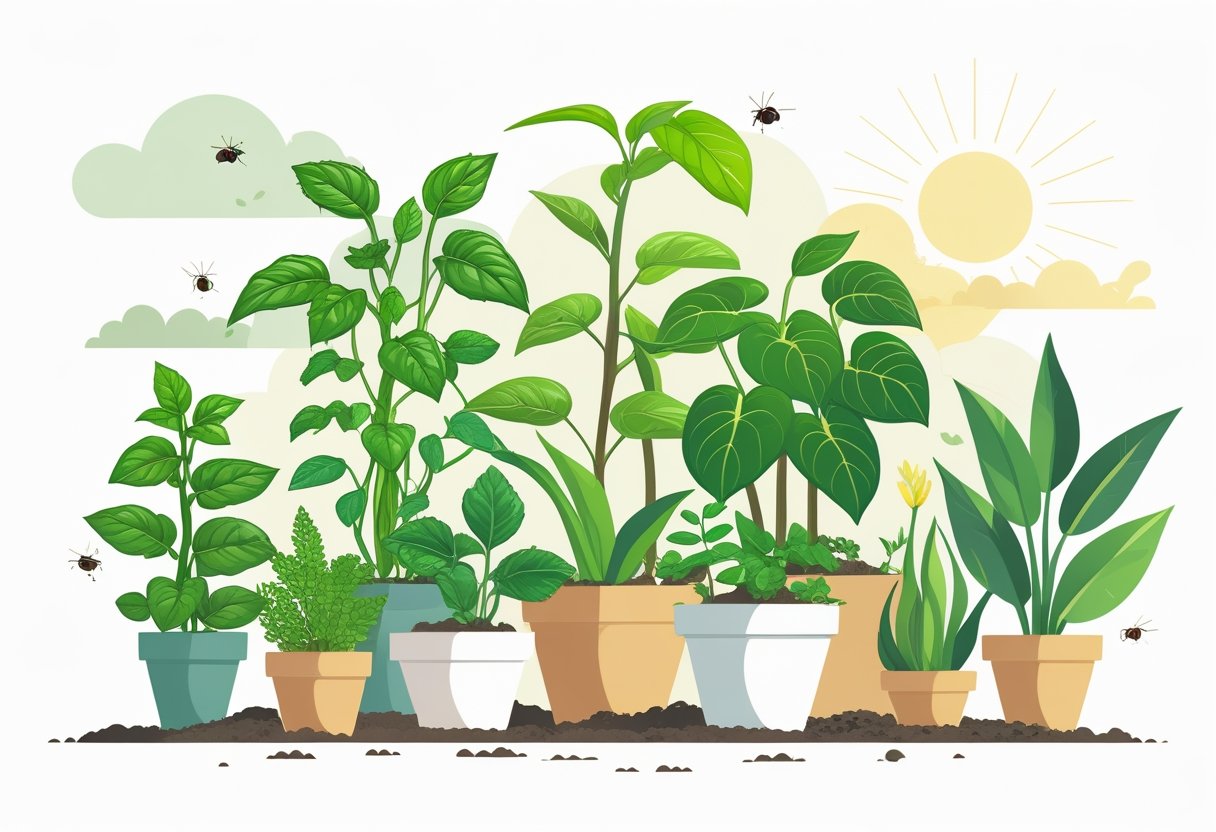
Even the easiest plants can throw a curveball at new gardeners. Knowing what might go wrong ahead of time helps you feel more confident and keeps your plants thriving.
Overwatering and Pest Issues
Overwatering kills more beginner plants than anything else. New gardeners often assume more water is better, but roots actually need air.
Most easy plants want their soil to dry out between waterings. Stick your finger an inch into the soil—if it’s damp, wait a bit longer.
Signs of overwatering include:
- Yellow or brown mushy leaves
- Mold on the soil surface
- Wilting even when the soil is wet
- Black, slimy roots (root rot)
Pests like aphids, spider mites, and fungus gnats are more common when plants are stressed. Indoor plants get fewer pests, but it still happens sometimes.
Check leaves every week for tiny bugs or sticky residue. You can spray plants with water mixed with a few drops of dish soap to remove pests.
Neem oil works for stubborn infestations. Good air circulation also helps—use a small fan indoors or space out the outdoor plants a bit.
Healthy plants are better able to withstand pests than stressed ones. It’s worth the effort to keep them in good shape.
Common Growth Challenges
Plants slow down or stop growing when something’s off. Light is usually the biggest issue for beginners.
Succulents and herbs need six to eight hours of bright light. Without enough sun, they stretch toward the window and get leggy.
If your space is dark, a grow light can help. Spider plants and pothos handle low light, but definitely grow faster with more brightness.
Move them closer to a window if growth seems sluggish. Fertilizer helps during active growing seasons—use a balanced liquid fertilizer at half strength every couple of weeks from spring through early fall.
Don’t fertilize in winter when plants are resting. Temperature swings also stress plants and slow growth.
Keep them away from heating vents, air conditioners, and drafty windows—most easy plants like temperatures between 65 and 75 degrees.
Root-bound plants stop growing when roots fill up the pot. Gently slide the plant out and check if the roots circle the soil.
If they do, move up to a pot one or two inches bigger. It’s a small change that makes a big difference for your plant’s health.
Managing Space Indoors and Outdoors
Limited space frustrates many new gardeners, especially in apartments or small homes. Vertical growing can help you get the most out of what you have.
Hanging planters are great for trailing plants like pothos and spider plants. Wall-mounted shelves near windows hold a bunch of small pots.
Stackable plant stands add more layers without taking up much floor space.
Space-saving solutions include:
- Window boxes for herbs and small flowers
- Tiered plant stands that hold four to six pots
- Hanging macrame holders for trailing plants
- Corner shelves that use awkward spaces
Outdoor gardeners deal with different space limits. Container gardens on patios or balconies are a solid choice for beginners.
Large pots let you group plants and move them around to chase the sun.
Group plants with similar needs to save time and space. Put all your sun-loving herbs in one container and shade plants somewhere else.
Seasonal changes can really mess with outdoor space planning. Zone-based planting helps make sure plants survive local winters.
Cold-climate gardeners need to bring tender plants inside before the first frost. In warmer places, you can grow most easy plants outdoors all year.
Prune plants often to control their size and shape. Trim leggy growth to get bushier plants that don’t sprawl everywhere.
Some herbs, like basil and mint, can get out of hand quickly and need frequent cutting to stay contained.
Personalizing Your Plant Journey for the New Year
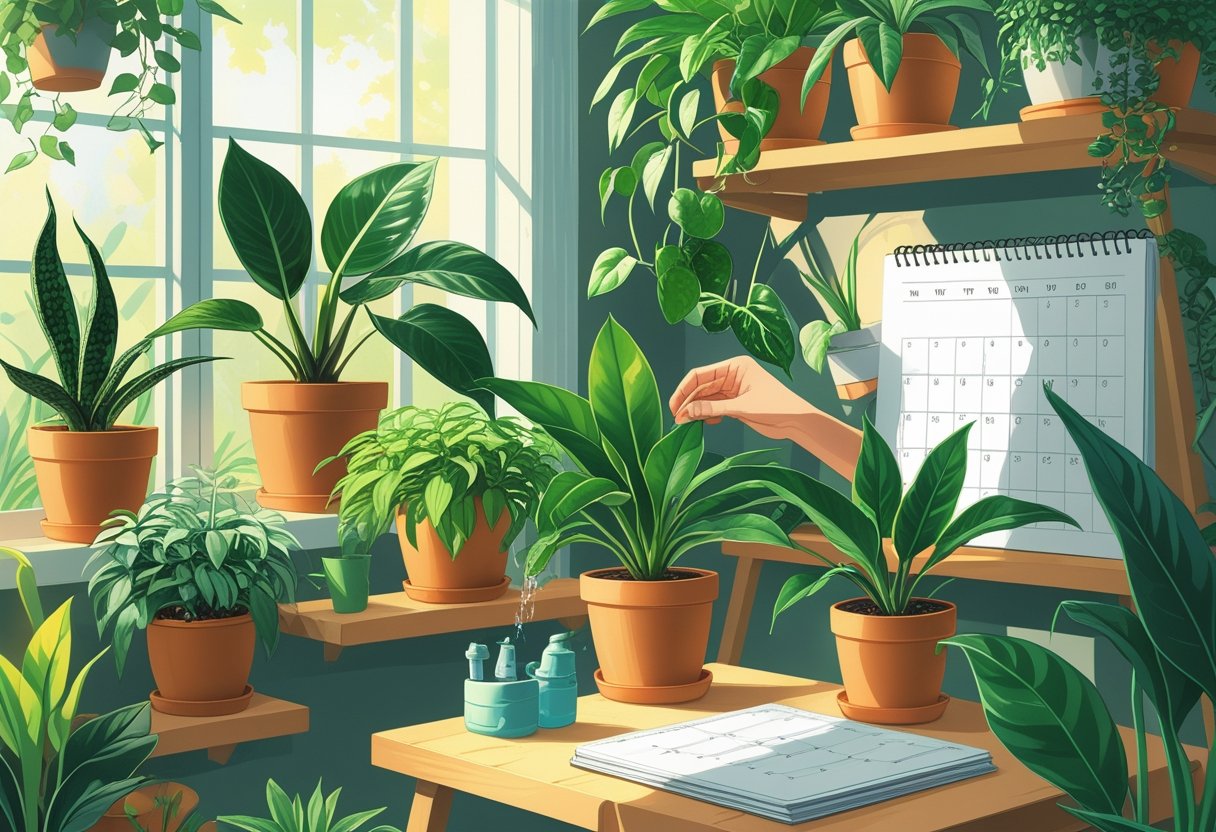
The new year’s a great chance to build habits that connect daily life with plant care. Setting up a routine helps beginners stay consistent and see their plants thrive.
Incorporating Plants into Your Routine
When you add plants to your daily activities, caring for them stops feeling like a chore. Water them while making coffee or check on seedlings during an evening stroll around the house.
Plants in high-traffic spots get more attention. A pothos on the kitchen counter catches the eye during meal prep. A snake plant by the front door gets checked every time someone comes or goes.
Documenting plant growth can turn routine care into a hobby. Snap a quick photo once a week or jot down notes about new leaves.
It’s surprising how much you notice—stronger stems, deeper green leaves—when you pay attention like that.
Morning routines are perfect for watering. Pruning or repotting feels less rushed in the evening when you’ve got more time.
Pairing plant care with your existing habits makes it stick, even on busy days.
Creating a Plant Care Schedule
Writing down a schedule helps you avoid overwatering or forgetting to water your plants. Most easy-care plants want water every 7-10 days, but this really depends on the season and where you live.
Basic Weekly Schedule:
- Monday: Check soil moisture in all containers
- Wednesday: Water plants that feel dry two inches down
- Friday: Rotate pots for even light exposure
- Sunday: Remove dead leaves and inspect for pests
Tech-savvy folks might use digital calendars. If you’re more old-school, a paper planner does the trick.
A garden journal helps track progress and spot patterns over time.
It’s essential to adjust your schedule as seasons change. In winter, cut back on watering because growth slows down. In summer, plants usually need more water as temperatures rise.
Staying flexible beats following rigid rules that ignore what your plants actually need.
Recommended Gardening Tools and Resources
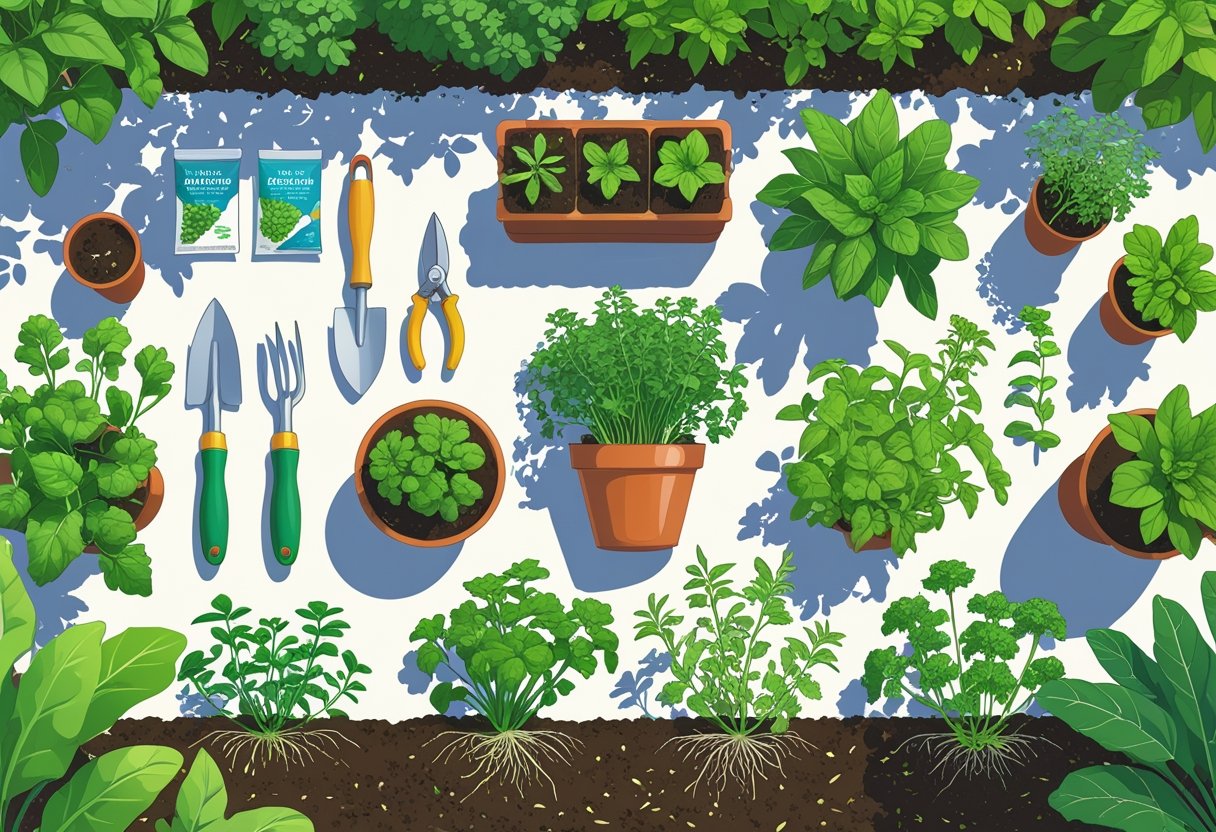
Starting a garden’s a lot easier with the right gear and sound advice. Having basic tools makes planting less of a hassle, and finding reliable suppliers sets you up for success.
Must-Have Tools for Beginners
You don’t need a ton of tools to get started. Expert gardeners recommend starting with gloves, pruning shears, a steel
A hand
Pruning shears help you remove dead leaves and stems. Sharp blades make cleaner cuts, which allows plants heal faster.
Garden gloves protect your hands from thorns, dirt, and blisters. Look for gloves that breathe but are thick enough to stop cuts.
A watering can or hose with a gentle spray nozzle keeps plants happy without damaging leaves. A 2-gallon watering can works well for small gardens.
Basic gardening tools last longer if you clean them after each use and store them in a dry place.
Trusted Suppliers of Easy-to-Grow Plants
Local nurseries usually offer plants that fit your area’s climate. Staff at these places can answer questions and suggest varieties that do well in the area.
Garden centers stock seedlings in spring, from March through May. You’ll find tomatoes, peppers, herbs, and flowers ready to transplant.
Hardware stores sell seed packets year-round, often for less than specialty shops. Marigolds, zinnias, lettuce, and radishes are easy to find.
Online retailers ship plants and bulbs right to your door, with growing instructions included. Many guarantee their plants arrive healthy.
Local farmers’ markets sometimes have herb starts and veggie seedlings in spring. These are often grown without chemicals and are adapted to local weather.
Mixing up where you buy gives you more options and a backup if one place runs out of what you want.
Where to Find Reliable Gardening Advice
University extension offices share free gardening info based on research and local conditions. Master gardeners at these offices answer questions by phone or email.
Gardening clubs meet monthly to swap tips and organize plant trades. Members range from beginners to seasoned pros who love helping others learn.
Library books on gardening offer step-by-step instructions with photos. Look for books written for your specific zone for the best advice.
YouTube channels from experienced gardeners show planting techniques and troubleshooting in action. Sometimes it’s just easier to watch someone do it than read about it.
State agricultural websites post planting calendars with local frost dates and when to start seeds outside.
Honestly, pulling advice from a few trusted sources helps you avoid common mistakes and grow healthier plants.
Get Started Today! Take The Next Steps
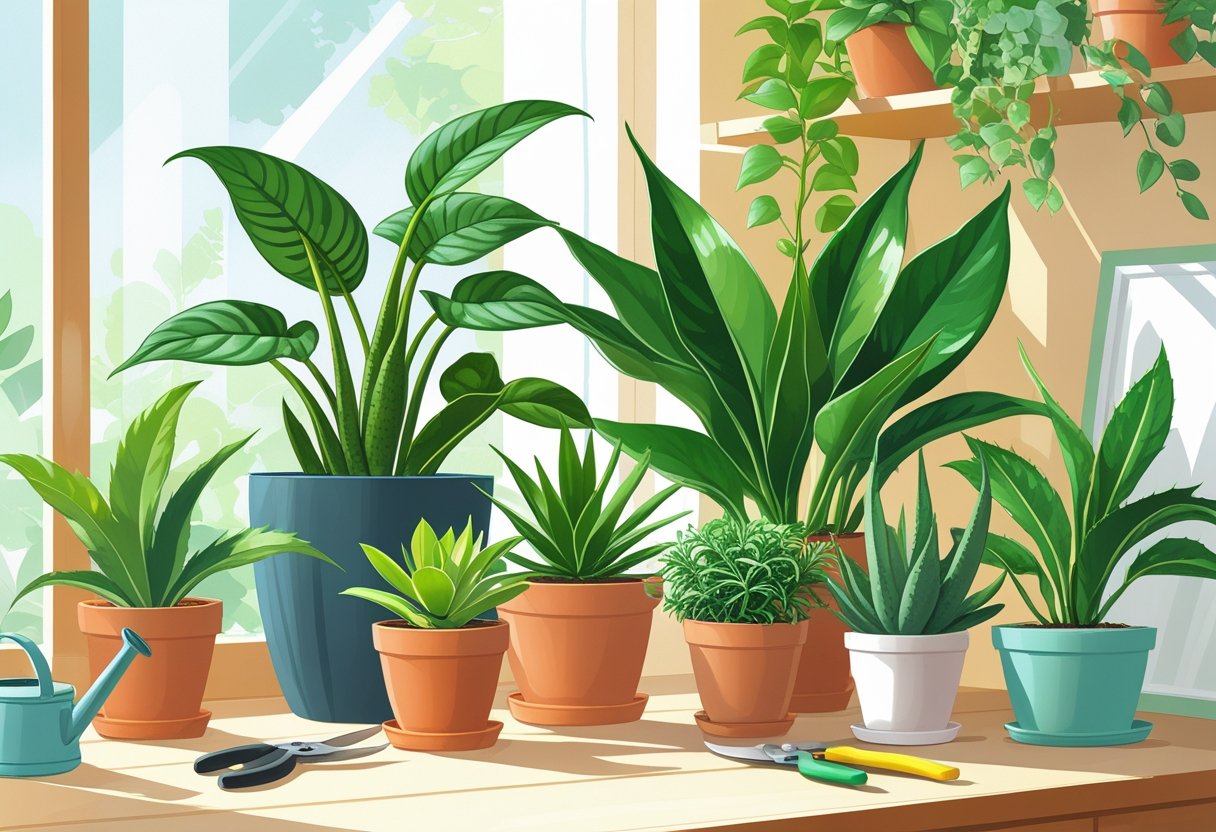
Starting a garden with easy-to-grow plants builds fundamental skills and creates lasting confidence. These plants offer success at every step, from planting seeds to harvesting results.
Reflecting on Your Gardening Progress
Track your progress as you go—it’s eye-opening to see how far you’ve come. A simple journal can record planting dates and growth milestones.
Taking weekly photos shows changes you might miss day to day.
New gardeners often don’t realize how much they’ve learned. Growing even one plant from seed to harvest is something to be proud of.
Every watering, every pruning cut, every pest problem you solve adds to your skills.
Celebrate the small wins, not just the big harvests. The first tomato flower, sprouting basil seeds, or a thriving marigold all deserve a little recognition.
Those moments prove that anyone can grow plants with some patience and the right approach.
Planning for Continued Growth
The next growing season brings new chances to try different plants and build on what you know. Add one or two more challenging varieties while keeping your favorites.
This way, you build confidence without making things overwhelming.
Order seeds in winter and prep soil in early spring for a smoother start. Make notes about what worked and what didn’t—maybe tomatoes needed more space, or lettuce bolted in the heat.
Joining a local garden club or online group gives you support and fresh ideas. Other gardeners share tips that fit your region and answer questions whenever you get stuck.
Start Boosting Your Confidence Today
The best time to start gardening? Honestly, it’s right now, no matter what the weather’s doing outside.
Winter can be an excellent time to plan and select supplies. Sometimes, just reading a few gardening guides sparks new ideas.
Pick three plants from this list that fit your season and climate. That’s a manageable place to begin.
Grab some quality seeds or maybe starter plants from a nursery you trust. Don’t forget the basics—trowel, watering can, and a pair of gloves you actually like wearing.
Set aside just 15 minutes a day for garden care and observation. It’s not much, but it adds up fast.
When you show up regularly, you’ll notice changes and build habits almost without realizing it. Consistency is the real secret, if you ask me.
Start small. Stick with it. You’ll see both your plants and your confidence grow—maybe in ways you didn’t expect.
How to Evaluate Plants Like a Pro. A Complete Guide to Selecting Healthy Garden Plants That Thrive.
Choosing the right plants can really make or break your gardening experience. Whether you’re wandering a nursery, walking through garden center aisles, flipping through your favorite catalog, or scrolling online listings, knowing how to judge plant health is essential.
Garden Planning Guide for New Backyard Gardens. Essential Steps for Site Selection, Crop Planning, and Season-Long Success.
Starting a backyard vegetable garden can feel a bit overwhelming. You might stare at an empty yard and wonder where to even begin.
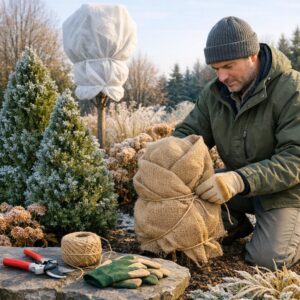
How to Protect Your Landscape Plants from Winter Damage. A Comprehensive Guide to Plant Selection, Maintenance, and Recovery Strategies.
Winter damage to landscape plants costs homeowners thousands of dollars each year in lost plants and reduced property value.

Grow Green with Ease: Essential Sustainable Tips for Beginning Backyard Gardeners.
Growing a garden that works with nature feels right for your yard and the planet. Sustainable gardening means protecting the environment while you grow what you love.
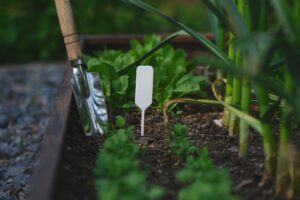
Top 10 Must-Have Gardening Tools for Beginners. A Master Gardener’s Essential Guide to Starting Your Garden Right This Winter Season.
Starting a garden can feel overwhelming. You walk into a store and see hundreds of tools staring back at you.
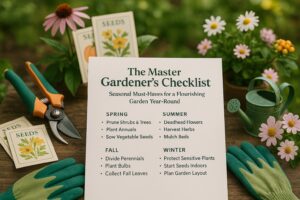
Sustainable Gardening Made Simple. Eco-Friendly Tools and Practices for Every Backyard.
Gardening sustainably helps protect the environment, conserve resources, and create a healthier outdoor space. Whether you have a small balcony or a large backyard, adopting eco-friendly tools and practices can make a big difference.