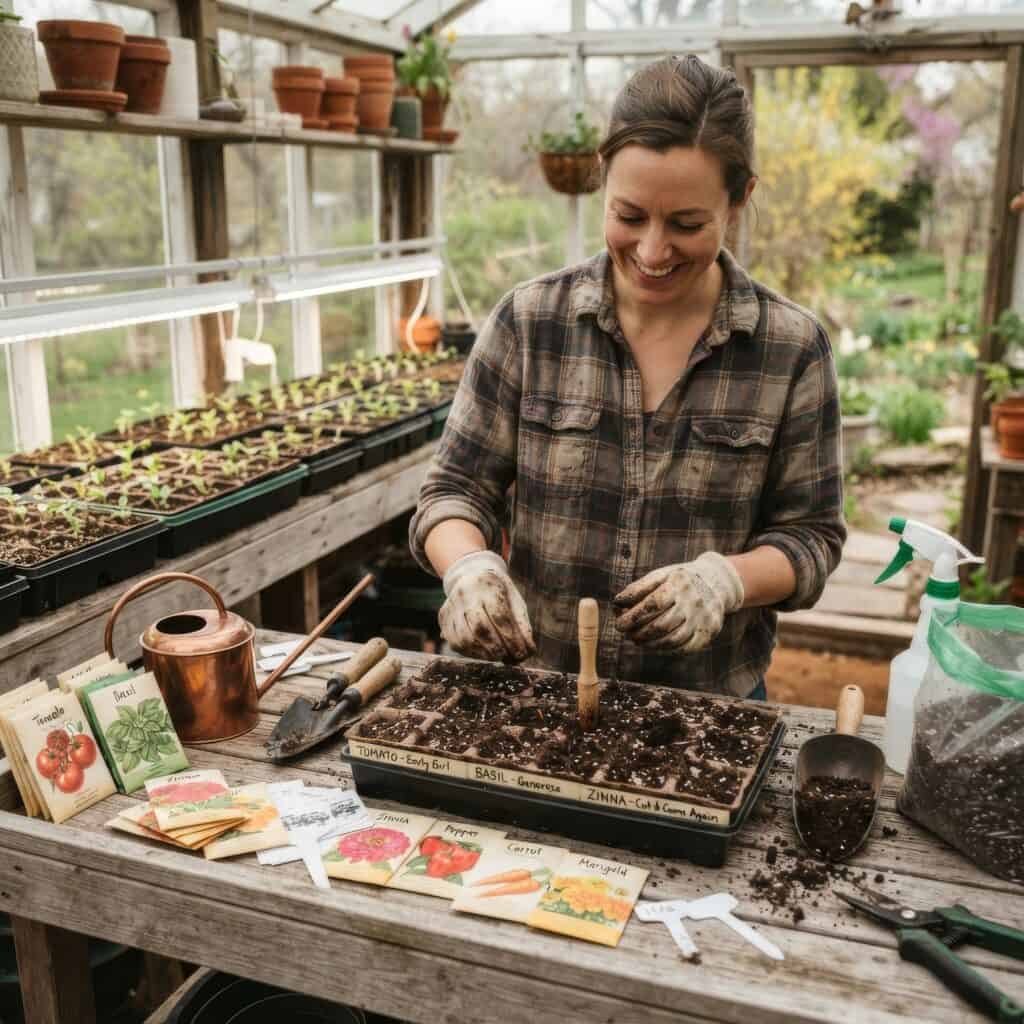
Get Your Garden Ready: Spring Preparation – Seed Starting Guides and Tool Recommendations
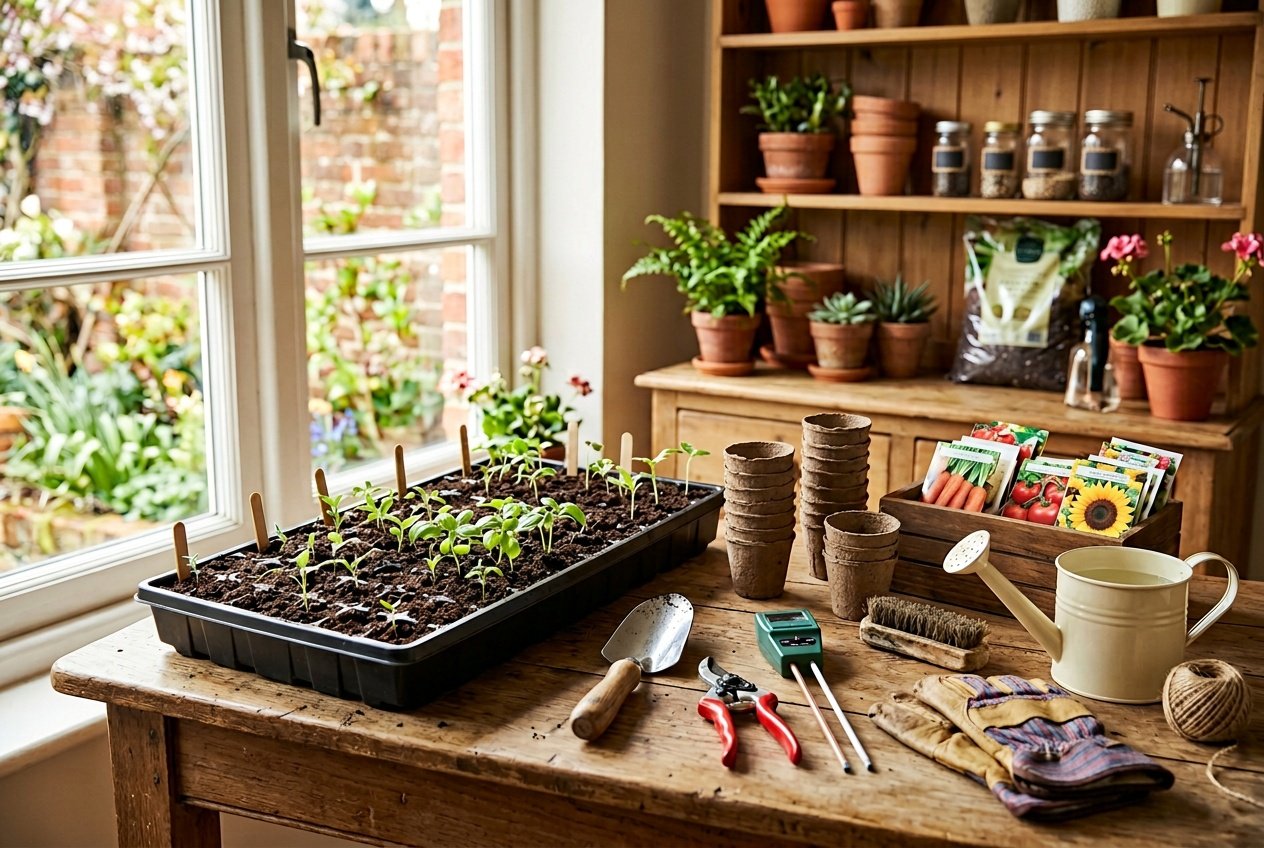
Spring’s nearly here, and honestly, there’s no better time to get your garden ready for the action ahead. If you start seeds indoors, you’ll get a jump on the season, and having the right tools? That just makes the work smoother and, dare I say, more fun.
This guide covers all the essentials for spring preparation—from picking seeds to choosing the best gardening tools for your climate.
Whether you’re into veggies, flowers, or herbs, knowing when and how to start seeds makes a real difference. I’ll show you techniques that work, tools I trust, and advice that’ll fit your growing zone.
By the end, you’ll have a plan—maybe even a little excitement—for your best garden season yet.
Why Spring Preparation Matters for Your Garden
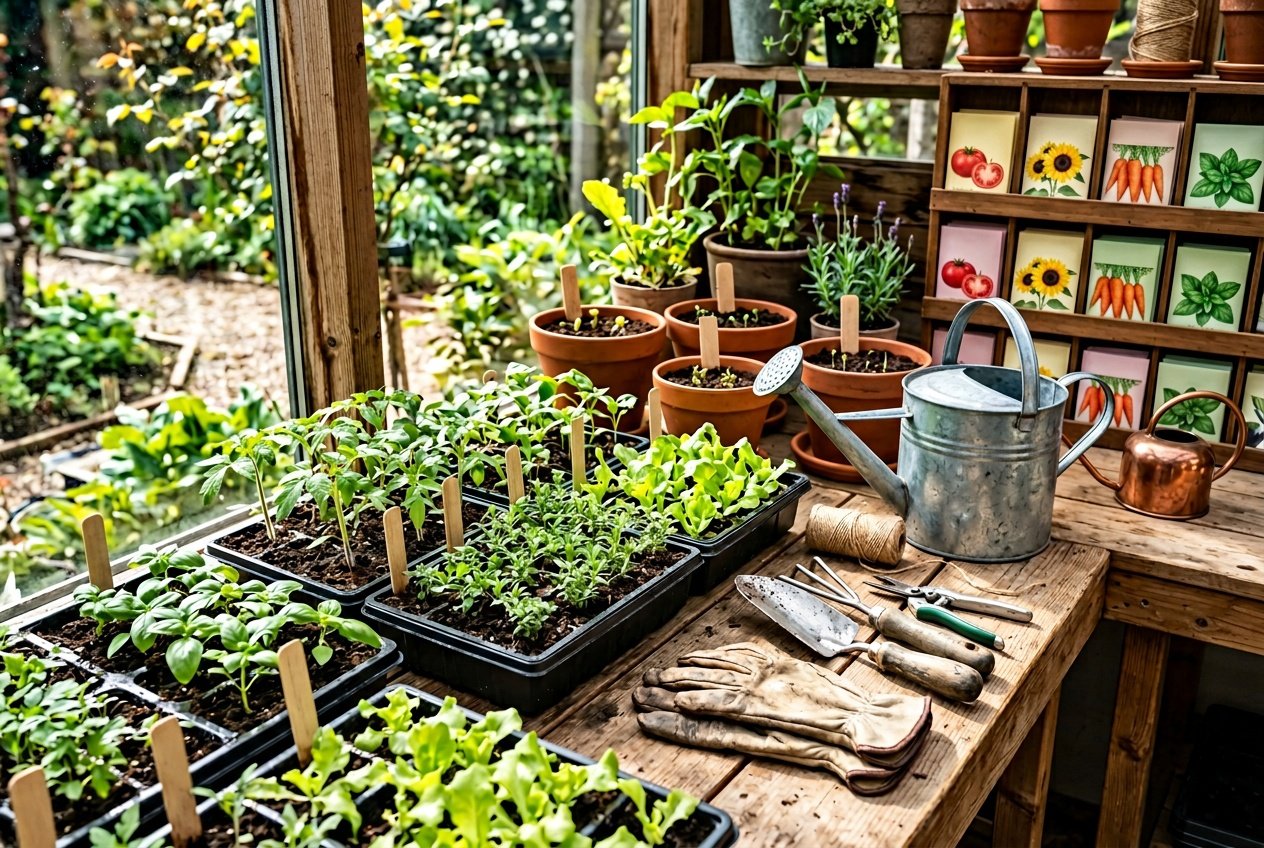
Getting your garden ready before spring really pays off. You’ll see bigger harvests and much happier plants all season long.
The timing, especially where you live, can mean the difference between lush seedlings and a whole lot of wasted effort.
Understanding Local Climate Zones
Your USDA hardiness zone tells you when to start seeds and when frost danger is finally gone. Folks in Zone 3, way up north, usually wait till late May to transplant. Down in Zone 9, you can get planting by early March.
Check your last frost date with your local .edu extension office or NOAA at weather.gov. That date is your guide for when to start seeds inside and move them out.
Remember, your yard isn’t just one big climate—microclimates are real. South-facing walls warm up quicker in spring, while low spots can stay chilly longer since cold air settles there.
Try tracking soil temps in different spots with a thermometer for a few days. Most seeds sprout best in soil between 50°F and 70°F.
Impact of Seasonal Timing
Start seeds too early, and you’ll get leggy, weak seedlings that just flop after transplanting. Wait too long, and you’ll miss your growing window—and probably harvest less than you hoped.
Tomatoes need about 6-8 weeks inside before the last frost. Peppers want 8-10 weeks. Cool-season crops like lettuce and broccoli can go out 4-6 weeks before that last frost date.
Seed Starting Timeline by Crop Type:
-
- 8-10 weeks early: Peppers, eggplant, leeks
-
- 6-8 weeks early: Tomatoes, cabbage, cauliflower
-
- 4-6 weeks early: Lettuce, broccoli, kale
-
- 2-4 weeks early: Cucumbers, squash, melons
Mark these dates on your calendar, counting backward from your last frost. I like setting reminders a couple weeks ahead so I’m not scrambling for supplies.
Benefits of Early Preparation
If you prep in late winter, you’ll have time to fix problems before planting deadlines sneak up. That means you can order seeds before they sell out, repair tools, and build your setup without rushing.
Early prep lets you test old seeds for germination. Put 10 seeds in damp paper towels for a week—if less than half sprout, better order fresh ones.
Start on time and your transplants will have stronger roots. These plants handle transplant shock better and settle into your beds faster.
Organized gardeners spend less on replacing failed plants and avoid panic-buying overpriced supplies when everyone else is rushing to plant.
Comprehensive Seed Starting Guides for Spring
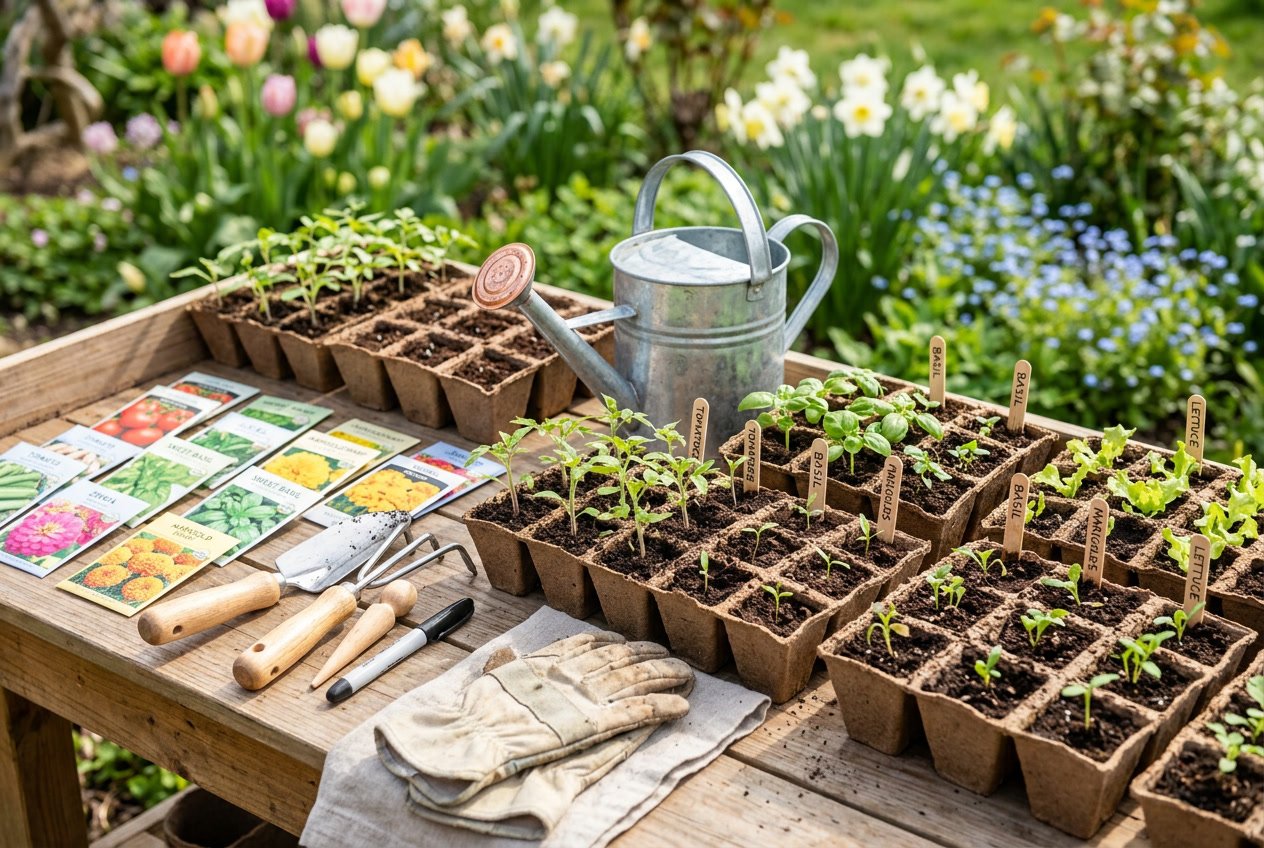
Starting seeds indoors gives you control over timing and saves a bundle compared to buying transplants. The trick is getting the timing, supplies, and growing conditions right—otherwise, you’ll end up with weak seedlings that struggle outside.
Choosing Seeds Based on Hardiness Zone
Your USDA hardiness zone tells you what’ll survive and when to start. Zone 3 folks need cold-hardy varieties, while Zone 9 can push heat-lovers almost year-round.
Check seed packets for “days to maturity” and compare with your last frost date. Cool-season crops like lettuce, broccoli, and peas want 4-6 weeks inside before moving out 2-4 weeks before last frost. Warm-season crops—tomatoes, peppers, eggplants—need 6-8 weeks indoors and only go out after frost is gone for good.
Some veggies just don’t like being transplanted—carrots, beans, and cucumbers have touchy roots. Save your indoor space for plants that actually benefit from a head start.
Best Seeds for Indoor Starting by Climate:
-
- Zones 3-5: Tomatoes, peppers, cabbage, kale
-
- Zones 6-7: Eggplant, basil, squash, melons
-
- Zones 8-10: Peppers, tomatoes (fall planting), herbs
Planning an Indoor Seed Starting Schedule
Count backward from your last frost date to build your seed starting calendar. For example, in Zone 5 with a May 15 frost date, start tomatoes around March 20 for 8-week-old transplants.
Write each crop’s start date on a calendar. For quick crops like lettuce, stagger plantings every couple weeks so you’re not buried in greens all at once.
Track what you actually plant and when—your microclimate may be different than the zone map. Sometimes a south-facing wall lets you plant earlier than your neighbors a street over.
Sample 8-Week Countdown:
-
- Week 1-2: Start slow-growers like peppers and eggplants
-
- Week 3-4: Start tomatoes and herbs
-
- Week 5-6: Start fast growers like cucumbers and squash
-
- Week 7-8: Begin hardening off
Essential Supplies and Setup
For seed starting, you’ll need the right containers, medium, and light. Regular potting soil isn’t ideal—it gets soggy and compacts too much. Seed starting mix uses peat or coco coir, vermiculite, and perlite for drainage and air.
Your containers should have drainage holes. Cell packs, peat pots, and soil blocks all work. If you’re reusing containers, clean them with a 10% bleach solution to kill off old diseases.
Most homes don’t have enough natural light for sturdy seedlings. South windows might do for herbs, but tomatoes and peppers need extra light. LED grow lights are my pick—they use less power and don’t cook your plants.
Required Supplies Checklist:
-
- Seed trays with drainage
-
- Sterile seed starting mix
-
- LED grow lights or T5 fluorescent fixtures
-
- Heat mat for warm crops
-
- Spray bottle or bottom-watering tray
-
- Small fan for airflow
-
- Plant labels and a waterproof marker
Optimal Germination Conditions
Seeds need the right temperature, moisture, and light to sprout. Soil temp actually matters more than air temp—most seeds want 65-75°F, but peppers and eggplants like it even warmer (80-85°F).
Use a heat mat under trays to keep soil steady. Check moisture every day—aim for damp, like a wrung-out sponge. Bottom watering is best; it prevents disease and keeps seeds in place.
Most seeds sprout in darkness, but need strong light right after. Keep lights 2-3 inches above seedlings and raise them as they grow. Run lights 14-16 hours a day so stems stay thick, not spindly.
Cover trays with humidity domes or plastic wrap until you see green. Then, take covers off to avoid fungus. A small fan on low helps strengthen stems and keeps air moving.
Step-By-Step Seed Starting Techniques
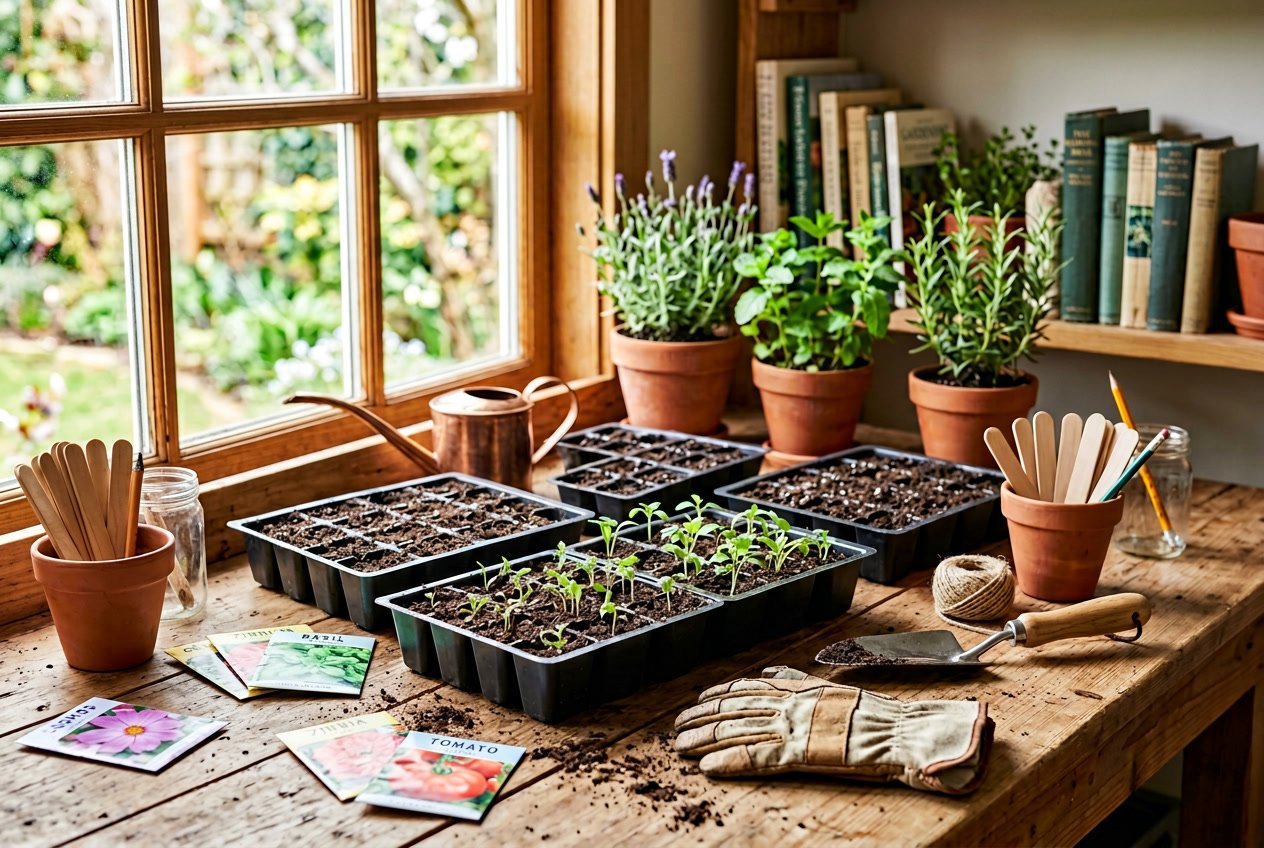
Seed starting really boils down to three things: using the right materials, planting seeds at the right depth, and keeping conditions just right. If you nail those basics, your seedlings will be ready to take on the garden.
Selecting Quality Seeds and Soil
The seeds you pick make a huge difference. Always look for packets dated for the current year—germination drops as seeds get older.
I always buy from companies that test their seeds and list germination rates. Fresh seeds just sprout better and grow stronger.
Check the “packed for” date before you buy. If you store seeds in a cool, dry spot, they’ll last longer than if they sit in a hot, humid shed.
Quality seed starting mix is not regular potting soil. Good mixes have peat moss, vermiculite, and perlite—they drain well but still hold enough moisture for seeds.
Your seed starting soil should have these features:
-
- Sterile ingredients to prevent disease
-
- Fine texture for tiny roots
-
- pH between 5.5 and 6.5 for most veggies
-
- No fertilizer added—seeds have their own food for now
Skip the garden soil for seed starting. It brings weed seeds, diseases, and clumps that are just too much for fragile seedlings.
Sowing Seeds: Depth and Spacing Explained
Plant seeds at a depth about two to three times their width. Small seeds like lettuce need just a dusting of soil—maybe 1/8 inch on top.
Drop big seeds like beans down 1 to 2 inches deep. Tiny seeds? Just press them onto the surface.
Medium seeds get a light covering. Large seeds need a deeper hole—poke them in with your finger or a pencil.
Always check your seed packet for exact depth. Every plant has its own preferences, and packets usually give you the best advice.
Spacing matters for healthy seedlings. Sow two or three seeds per cell or small pot.
Later, thin out the weaker seedlings and keep the strongest. This helps avoid crowding and disease.
| Seed Size | Seeds Per Cell | Thinning Required |
|---|---|---|
| Small (lettuce, basil) | 2-3 seeds | Yes, keep strongest |
| Medium (tomato, pepper) | 2 seeds | Yes, keep strongest |
| Large (cucumber, squash) | 1-2 seeds | Maybe, keep strongest |
Mark your containers with plant names and sowing dates. Use waterproof labels so you don’t lose track.
This simple tracking system helps you plan future plantings and avoid mix-ups down the road.
Watering and Light Requirements for Seedlings
Bottom watering works great for new seedlings. Place your trays in a shallow pan of water for 10 to 15 minutes.
The soil soaks up moisture from below, so you don’t disturb tiny seeds or risk washing them away. Keep the soil moist but never soggy.
Stick your finger in about an inch—if it feels damp, you’re good. Too much water can cause damping off, a nasty fungal disease that wipes out seedlings overnight.
Seedlings crave 14 to 16 hours of light a day. Window light just isn’t strong enough, even on a sunny south-facing sill.
Most seedlings get leggy and weak without extra lighting. LED grow lights make indoor seed starting so much easier.
Hang lights just 2 to 4 inches above your seedlings. As the plants grow, raise the lights a bit.
Set your lights on a timer for consistency. Maybe 6 AM to 10 PM, or whatever fits your schedule.
This routine mimics natural day length and keeps seedlings stocky. Room temperature between 65°F and 75°F suits most seedlings after they sprout.
Some seeds—like tomatoes, peppers, and eggplants—germinate faster with warmer soil. Heat mats can keep soil at 75°F to 85°F, speeding things along.
Advantages and Disadvantages of Seed Starting Indoors Versus Direct Sowing
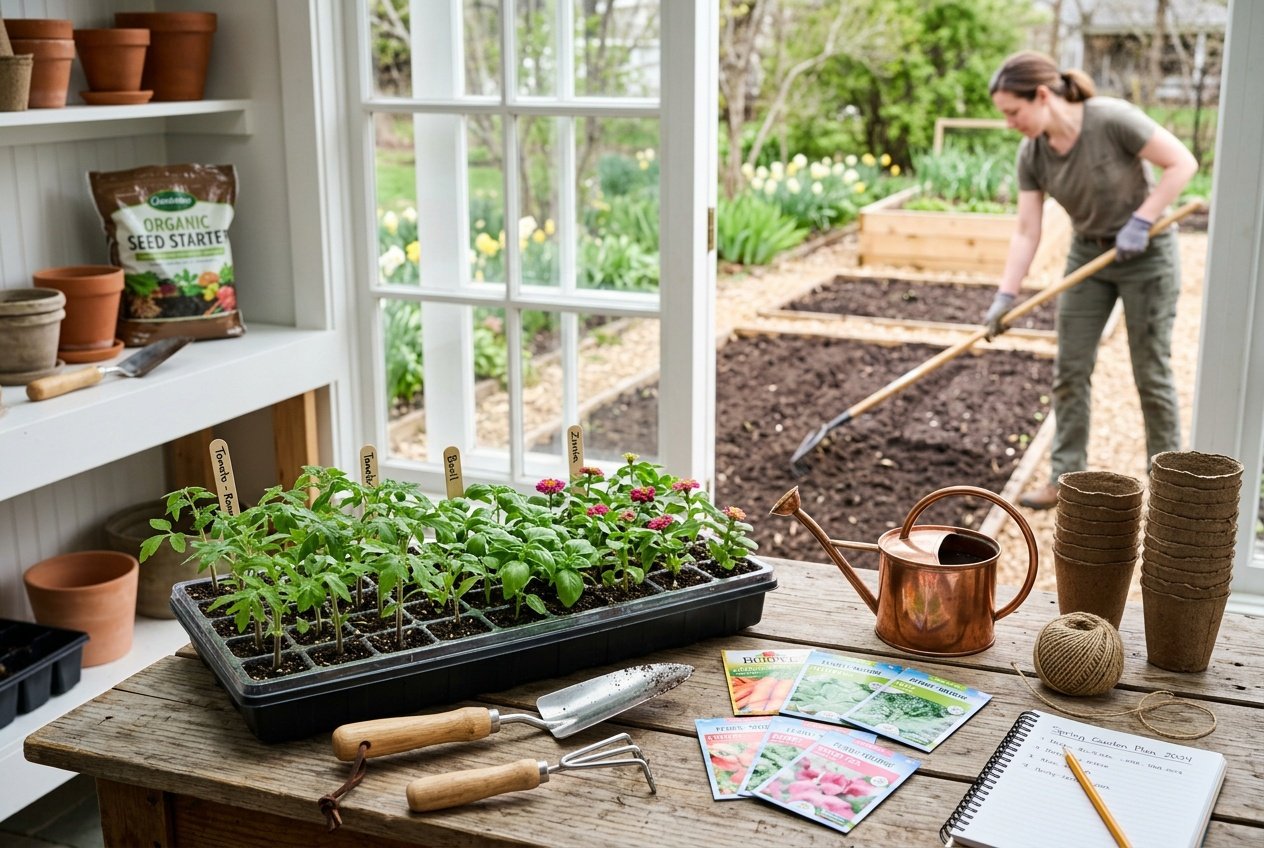
Both methods have their perks and drawbacks. Indoor seed starting gives you more control over growing conditions.
Direct sowing works with nature’s timing and definitely saves effort. Which is better? Well, it depends on your goals and your plants.
Indoor Seed Starting: Pros and Cons
Starting seeds indoors lets you jump-start your garden weeks before the last frost. Tomatoes, peppers, and eggplants especially benefit from this head start.
The controlled environment shields young plants from weather, pests, and disease. But, you’ve got to watch light, water, and temperature pretty closely.
Seedlings need bright light for 12-16 hours a day, or they’ll get spindly. You also need space for trays, containers, and maybe a few gadgets.
Advantages:
-
- Earlier harvest times
-
- Protection from weather and pests
-
- Better results with heat-loving plants
-
- Control over growing conditions
Disadvantages:
-
- Needs equipment and space
-
- Daily monitoring required
-
- Risk of transplant shock
-
- Higher cost for supplies
Direct Sowing Outdoors: Pros and Cons
Direct sowing skips the transplant step. You tuck seeds right into garden soil and let them grow in place all season.
This works best for carrots, beans, squash, and cucumbers—plants that hate having their roots disturbed. Seeds develop stronger roots when they stay put.
You lose some control with direct sowing. Cold soil, heavy rain, or hungry birds can ruin your seeds before they even sprout.
Some plants need warm soil to germinate, so you have to wait until conditions are just right. It’s a bit of a gamble.
Advantages:
-
- No transplanting needed
-
- Stronger root development
-
- Lower cost, less equipment
-
- Great for root vegetables
Disadvantages:
-
- Later harvest dates
-
- Weather dependent
-
- Higher seed loss from pests
-
- Limited by frost dates
Tool Recommendations for Successful Spring Preparation
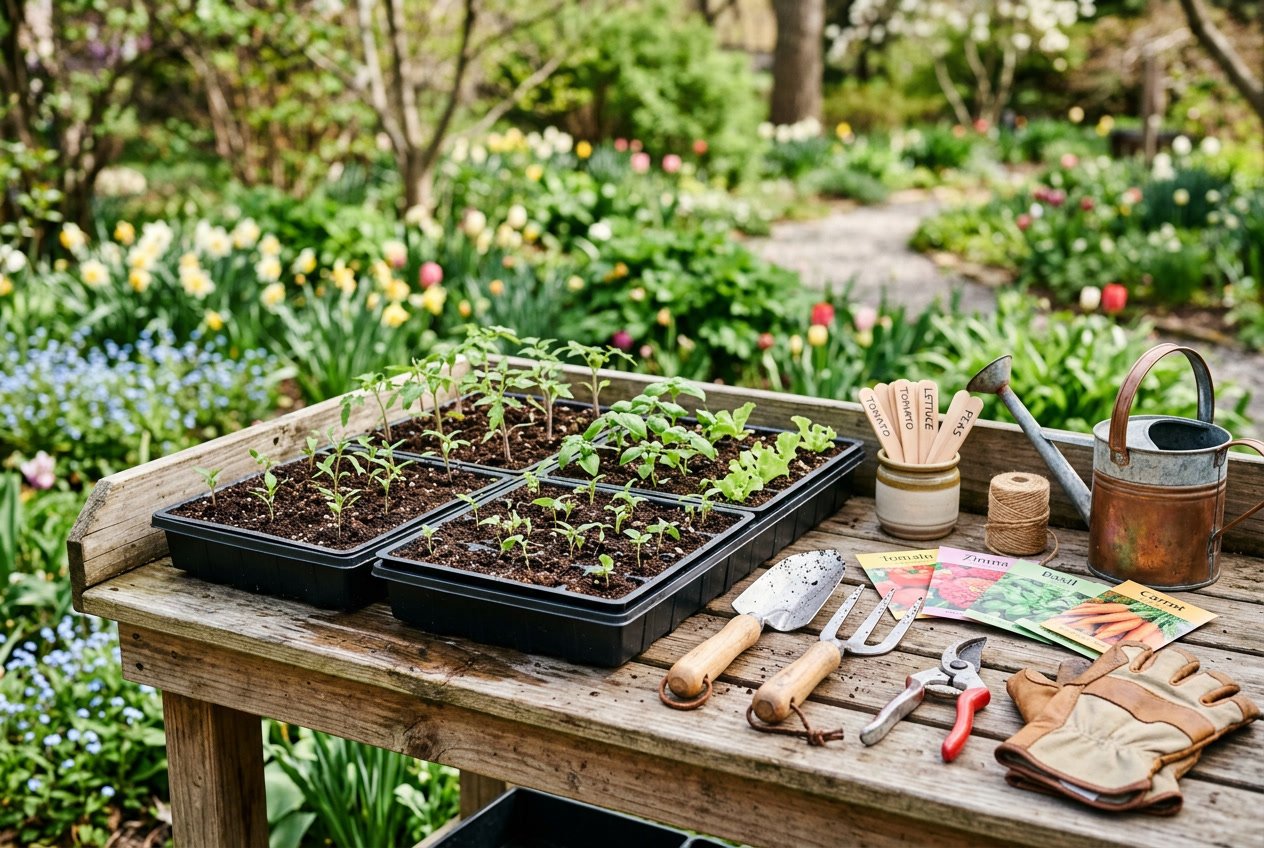
Good tools make seed starting so much easier. The right gear helps you grow healthy seedlings and saves time and money in the long run.
Essential Seed Starting Tools
You’ll want a few specific tools to get seeds going indoors. A seed starting tray with cells keeps seedlings organized and prevents roots from tangling.
Trays with drainage holes are best—they keep soil from getting soggy. Heat mats can warm the soil to 65-75°F, which helps seeds sprout faster.
A basic 10×20 inch heat mat usually costs $15-30 and lasts for several seasons. Grow lights are a must if you don’t have strong sunlight.
LED grow lights use less electricity and don’t get as hot as fluorescent ones. Hang them 2-4 inches above seedlings and keep them on for 14-16 hours a day.
A soil thermometer lets you check if your seed starting mix is warm enough. Digital models with a probe are the easiest to use.
You should also have:
-
- Watering can with narrow spout – Waters gently, doesn’t wash away seeds
-
- Plant labels – So you know what’s what
-
- Spray bottle – For misting delicate seedlings
-
- Seedling dome or plastic wrap – Holds in humidity until seeds sprout
Innovative Gardening Gadgets for 2026
New gadgets keep popping up every year. Smart watering systems now connect to your phone and alert you when seedlings need water—pretty handy if you’re forgetful.
Self-watering seed starting kits have built-in reservoirs that keep soil moist. The Hydrofarm Jump Start system uses capillary matting to pull water up into the cells, which means less daily fussing.
Compact growing stations combine lights, trays, and shelves in one tidy unit. The AeroGarden Farm system, for example, grows 24 plants at once with automatic LED lighting cycles. It fits on a countertop—nice if you’re short on space.
Soil block makers let you create compressed cubes without plastic pots. You transplant the whole block, which reduces root shock and cuts down on plastic waste.
Digital pH meters help you check the acidity of your seed starting mix. Most vegetables like pH between 6.0 and 7.0, so accurate readings really do lead to stronger seedlings.
Best Value Tools for Gardeners
Budget-friendly tools can work just as well as pricier ones. Plastic seedling trays cost $3-8 and last for several seasons if you wash and reuse them.
Shop flats hold six standard cell packs and catch extra water. A basic 1020 tray is usually under $2, so you can buy a few and organize different plant varieties easily.
Compact fluorescent bulbs (CFLs) give enough light for about $10 per bulb. They fit standard fixtures and use less power than old-school bulbs.
Homemade alternatives save money too. Empty yogurt cups make great seed containers if you poke a few drainage holes in the bottom.
Popsicle sticks work as free plant markers. Egg cartons are perfect for starting small amounts of bigger seeds like beans or squash.
A basic potting scoop costs $5-7 and makes filling containers much faster. Look for one with measurement marks if you like to keep track.
Here are some money-saving tools to consider:
| Tool | Cost Range | Longevity |
|---|---|---|
| Plastic cell inserts | $2-5 | 3-5 years |
| Standard grow light bulbs | $8-15 | 1-2 years |
| Moisture meter | $8-12 | 2-3 years |
| Hand |
$6-10 | 5+ years |
Tool Maintenance and Storage Tips
Taking care of your tools helps them last longer and keeps diseases from spreading. Clean all seed starting gear with a 10% bleach solution before each season.
Scrub trays, domes, and tools to get rid of old soil and plant bits. Rinse everything thoroughly after sanitizing—bleach residue can harm seedlings.
Let all your equipment air dry completely before storing it. That keeps mold away.
Store tools in a dry spot, away from freezing temps. Basements or garages work if they stay above freezing.
Moisture will rust metal tools and crack plastic trays, so keep things dry. Stack clean trays with paper towels between layers to prevent scratches.
Hang tools on hooks or pegboards for easy access. Check grow lights often for burnt-out bulbs and replace them right away so your seedlings don’t miss out on light.
Wipe dust off bulbs and fixtures every month to keep them bright. Unplug heat mats once seeds have sprouted—most seedlings only need bottom heat for a week or two.
Roll mats loosely for storage so they don’t crease. Label storage bins so you can find things quickly next year.
Group similar tools together, and keep seed starting supplies separate from the rest of your gardening gear.
How to Choose the Right Gardening Tools for Your Region
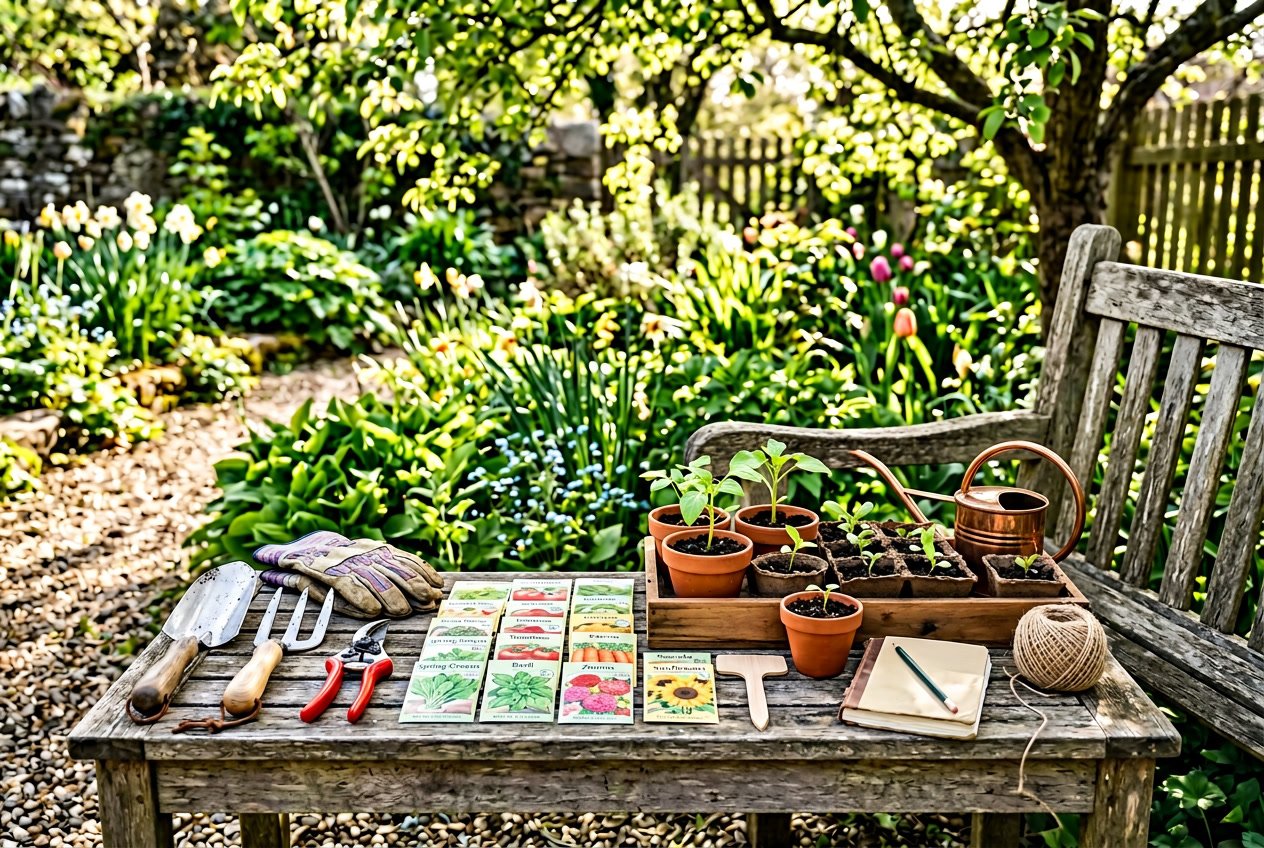
Your location really does decide which tools work best for seed starting and spring prep. Local climate, soil type, and your plant choices all play a part.
Factors to Consider: Climate, Soil, and Plant Choice
Your USDA hardiness zone shapes what you’ll need. Gardeners in zones 3-5 often deal with frozen ground and need sturdy spades with reinforced edges.
Zones 8-10? You might have to tackle hard, clay-heavy soils that call for stronger tools. Soil composition matters as much as temperature.
Sandy soils need different tillers than clay or loam. Test your soil pH before buying amendments—most extension offices offer low-cost or free testing.
Key soil factors:
-
- Clay soil needs pointed spades and broad trowels
-
- Sandy soil works fine with standard
garden tools
- Sandy soil works fine with standard
-
- Rocky soil calls for reinforced metal tools that can handle a beating
Your plant choices change things too. Root veggies need deeper digging tools, while herbs and flowers do better with smaller hand tools.
If you grow native plants, you might need fewer tools overall—they’re usually more forgiving. Honestly, sometimes it’s trial and error, but that’s part of the fun.
Recommended Tools by Gardening Zone
Zones 3-5 (Cold Climate):
-
- Heavy-duty garden fork for breaking frozen soil
-
- Cold frame or greenhouse starter kit
-
- Heat mats for seed trays
-
- Row covers and season extenders
Zones 6-7 (Moderate Climate):
-
- Standard spading fork
-
- Garden
trowel with comfortable grip
- Garden
-
- Seed starting trays with dome covers
-
- Hand cultivator for mixing soil
Zones 8-10 (Warm Climate):
-
- Mattock for hard, dry soil
-
- Shade cloth for protecting seedlings
-
- Drip irrigation starter kit
-
- Wider-brimmed sun hat and UV-protective gloves
All zones benefit from basic tools like pruning shears, garden gloves, watering cans, and soil thermometers.
A quality tool set will last a good 10-15 years if you take care of it.
Where to Find Authentic, High-Quality Tools
University extension offices share tool recommendations tailored to your zone and local research. Check your state’s .edu extension website for free guides.
The USDA offers plant hardiness zone maps at https://planthardiness.ars.usda.gov.
Local garden centers stock tools for your region’s unique needs. Staff there know the ins and outs of your soil and climate, and they can point you to brands that really last.
Watch for these quality markers when shopping:
-
- Forged steel instead of stamped metal
-
- Hardwood handles over plastic
-
- Lifetime warranties from manufacturers
-
- Rust-resistant coatings
Online retailers offer a bigger selection, but always check the seller’s reputation first. Read reviews from gardeners in similar zones.
Look over return policies before you drop a lot of cash on new gear.
Buy tools at end-of-season sales in fall. Many stores discount inventory 30-50% in September and October.
This is a great way to save money for next spring’s garden prep.
Data-Driven Insights: Trends in Spring Gardening
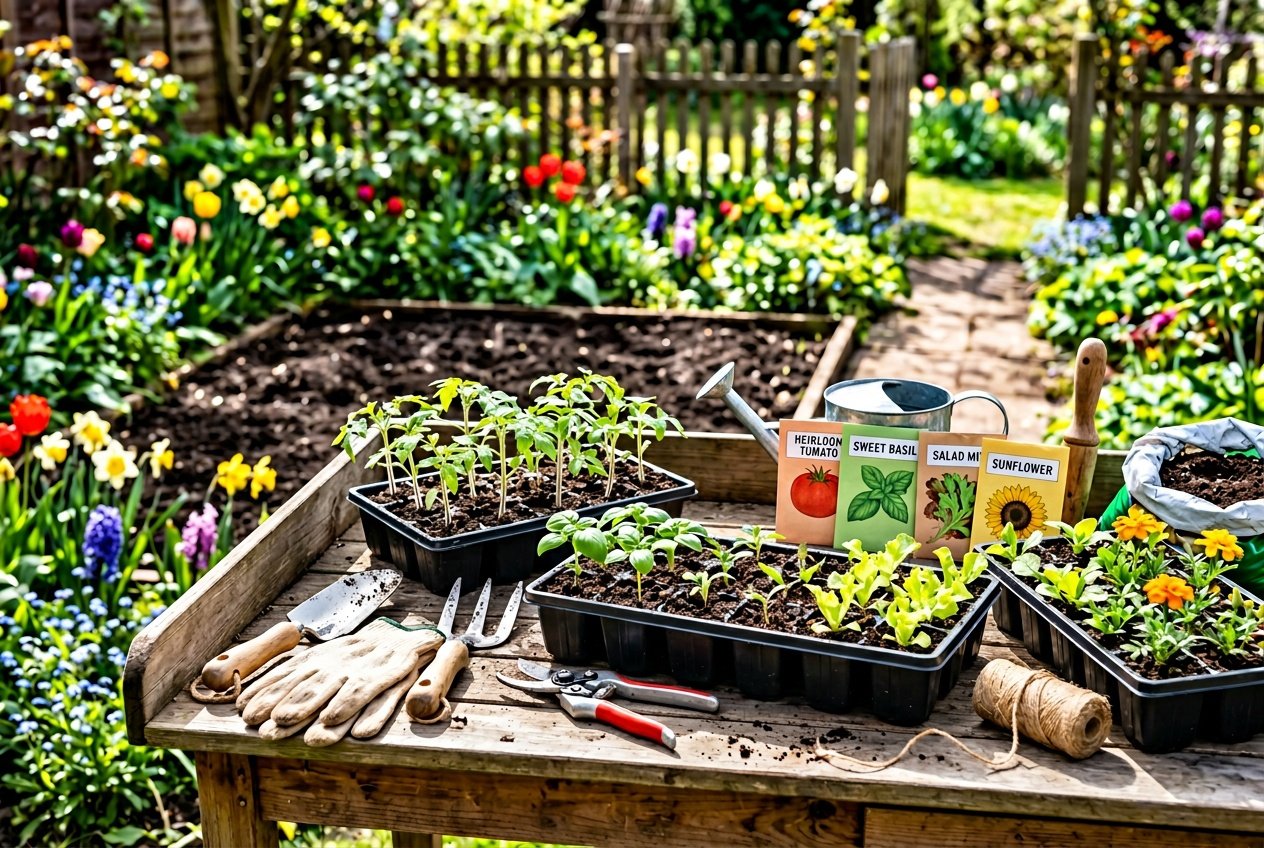
Recent gardening data shows big differences in seed starting success across climate zones. New technologies are also changing how we track plant growth these days.
Understanding these patterns helps you make better choices for your location and timing. It’s not always as straightforward as the seed packet suggests, is it?
Seed Starting Success Rates by Zone
USDA hardiness zones directly impact when you should start seeds indoors. Zone 3 gardeners usually begin indoor seed starting 8-10 weeks before the last frost date.
Zone 7 gardeners can start just 4-6 weeks ahead. That’s a pretty big difference!
Data from university extension programs shows tomato seeds started indoors have about an 85% germination rate in controlled environments.
Pepper seeds do a bit worse at 75-80%. Cool-season crops like lettuce and broccoli? They often hit 90% success when started 6-8 weeks before transplanting.
Your local frost dates set your seed starting schedule. Zone 5 gardeners should start tomatoes around mid-March for a late May transplant.
Zone 8 gardeners can jump in as early as February. It’s always a little nerve-wracking to trust the calendar, right?
Temperature matters more than timing alone. Tomatoes germinate best at 70-80°F, peppers at 80-85°F, and lettuce at 60-70°F.
Using a heat mat can bump germination rates up by 20-30% for warm-season crops. It’s a small investment that pays off, honestly.
Emerging Gardening Technologies
Smart gardening tools now track soil moisture, light, and temperature through mobile apps. These sensors send alerts when your seedlings need water or if conditions go out of the ideal range.
LED grow lights have come a long way. They use 40% less energy and provide full-spectrum light that’s pretty close to sunlight.
Modern LED systems run $30-150, depending on how much space you need to cover. Automated watering systems help avoid overwatering and underwatering.
Self-watering seed trays keep moisture levels steady and can increase seedling survival rates by about 25%.
Soil pH meters and moisture readers now cost under $15. Digital thermometers with probe attachments help you monitor soil temperature for starting seeds at just the right time.
Local and Seasonal Plant Recommendations
Your growing zone decides which vegetables and flowers will thrive. Zone 3-4 gardeners should stick with cold-hardy varieties like ‘Early Girl’ tomatoes and ‘California Wonder’ peppers.
Spring 2026 planting dates vary by location:
Zone 3-4: Start seeds indoors in late March, transplant after June 1
Zone 5-6: Begin indoor starting in mid-March, transplant mid-May
Zone 7-8: Start seeds in early February, transplant in April
Zone 9-10: Direct sow most crops in January-February
Native plants adapted to your region use about 50% less water than non-native species. State agricultural extension websites have free plant lists for your county, with bloom times, water needs, and sun requirements.
Cool-season crops like peas, lettuce, and spinach can go straight in the ground 4-6 weeks before your last frost date. Warm-season plants need soil above 60°F for good growth.
Original Tips for Seedling Care and Transplanting
Strong seedlings need consistent moisture, proper light exposure, and steady temperature to develop healthy roots before moving outdoors.
The transition from indoor growing to garden beds takes a step-by-step approach. It’s the best way to avoid shock and get the most from your harvest.
Preventing Common Seedling Problems
Damping off disease kills more seedlings than anything else. This fungal problem rots stems at the soil line and makes plants collapse—super frustrating.
You can prevent damping off by using sterile seed starting mix and clean containers. Water from the bottom when you can to keep the soil surface dry.
A small fan running for a few hours a day helps strengthen stems and cuts down on extra moisture. It’s a simple trick, but it works.
Watch for these warning signs:
-
- Leggy, stretched stems mean not enough light
-
- Yellow leaves point to nutrient deficiency or overwatering
-
- White mold on soil means too much moisture
-
- Stunted growth could be cold soil or compacted roots
Place seedlings 2-3 inches below grow lights or in a south-facing window with at least 12-14 hours of light daily. Rotate trays every few days for even growth.
Feed seedlings with half-strength liquid fertilizer once true leaves appear. True leaves are the second set and look different from the initial seed leaves.
Hardening Off and Transplant Timelines
Hardening off gets indoor seedlings ready for outdoor conditions over 7-10 days. This step prevents transplant shock that can stunt or even kill young plants.
Start hardening off two weeks before your last expected frost for cold-hardy crops. Tender plants like tomatoes and peppers need to wait until all frost danger is gone.
Follow this daily schedule:
| Day | Location | Duration | Conditions |
|---|---|---|---|
| 1-2 | Shaded area | 2-3 hours | No wind |
| 3-4 | Partial shade | 4-5 hours | Light breeze OK |
| 5-6 | Morning sun | 6-7 hours | Normal conditions |
| 7-8 | Full location | 8+ hours | All conditions |
| 9-10 | Overnight | 24 hours | Monitor weather |
Bring seedlings inside if temperatures drop below 45°F or if heavy rain or strong winds are coming. Gradual exposure really helps them toughen up.
Transplant on cloudy days or in early evening to reduce stress. Water well an hour before transplanting so root balls stay together.
Maximizing Survival and Yield
Plant seedlings at the same depth they grew in their containers—except for tomatoes. Tomatoes can be buried deeper, since they’ll form roots along the stem.
Water transplants right away and create a small basin around each plant to keep water near the roots.
Once the soil warms up, add 2-3 inches of mulch to hold moisture and block weeds. Keep soil consistently moist for the first two weeks while roots get established.
Check soil daily by sticking your finger two inches deep. Water if it feels dry at that depth.
Protect young transplants with these methods:
-
- Row covers shield from wind and light frost
-
- Cloches or plastic bottles make quick mini greenhouses
-
- Cardboard collars keep cutworms away
-
- Shade cloth helps during sudden heat waves
Watch for pest damage, especially from flea beetles and aphids. Hand-pick bigger pests early in the morning while they’re slow.
Space plants according to the seed packet. Good spacing improves air flow, reduces disease, and gives each plant enough room to grow.
Overcrowding leads to lower yields and more competition for nutrients and water. It’s tempting to squeeze a few more in, but it’s rarely worth it.
Integrating Visual Resources: Using Images and Videos for Effective Spring Preparation
Visual tools make seed starting easier to understand and help you avoid common mistakes. Photos and videos show exactly what healthy seedlings look like and demonstrate proper planting techniques.
Best Practices for Garden Documentation
Take weekly photos of your seedlings from the same angle and distance. This creates a visual record so you can spot issues before they get out of hand.
Use natural lighting for your seedling photos—morning light works best and keeps colors true without harsh shadows.
Label each photo with the date, plant variety, and growing conditions. Write down soil temperature, days since planting, and any fertilizer you used. It’s easy to forget these details later.
Create a simple folder system on your phone or computer:
-
- Seedling progress – Growth stages from germination to transplant
-
- Problem identification – Issues like damping off or nutrient deficiencies
-
- Successful techniques – Methods that worked for future reference
-
- Tool effectiveness – Before and after shots showing tool performance
Video walkthroughs of your seed starting process help you remember what worked. Record yourself filling trays, planting seeds at the right depth, and using bottom-watering techniques.
Keep your documentation simple and consistent. You don’t need professional photos—clear smartphone shots in good light are just fine.
Sourcing and Using Reliable Gardening Visuals
Start with visual guides from university extension offices—those .edu sites are gold. These institutions share research-based images that show things like seed depth, spacing, and healthy plant stages, all without the fluff.
Government agricultural sites with .gov domains also offer free photos and diagrams. The USDA, for example, has plant ID photos and growing zone maps you can actually use.
Before trusting any technique, compare several visual sources. I usually watch three or four seed starting videos to spot what’s standard practice and what’s just someone’s quirky habit.
Keep an eye out for these signs of reliable gardening visuals:
-
- Labels showing plant varieties and dates
-
- Growing zone info right there in the image
-
- Step-by-step photos that don’t skip the ugly parts
-
- Actual measurements and temperatures included
Skip those overly filtered gardening photos. They might look pretty, but they hide real details about plant health or soil texture—details you need.
Bookmark or download guides that match your hardiness zone. Trust me, a seed starting chart for Zone 3 is nothing like one for Zone 9.
Building an Evergreen Spring Gardening Routine
If you want to get seeds started on time and prep your garden smoothly every year, you need a routine that sticks. A personalized schedule helps you avoid missing those crucial planting windows.
Creating a Personalized Seasonal Calendar
Your spring gardening calendar should match your USDA hardiness zone and local frost dates. Most zones finish their last spring frost between late March and mid-May, which tells you when it’s safe to move seedlings outside.
Mark your average last frost date on a calendar—paper or digital, whatever works. Count back 6-8 weeks for tomatoes, peppers, and eggplants. For cool-season crops like lettuce or broccoli, count back 8-10 weeks instead.
Add weekly reminders for things like checking soil moisture, feeding seedlings, or hardening off plants. Your calendar should spell out dates for:
-
- Starting seeds indoors (6-10 weeks before last frost)
-
- Hardening off (7-10 days before you plant outside)
-
- Direct sowing (depends on crop and zone)
-
- Prepping garden beds (2-3 weeks before planting)
-
- Tool maintenance (once a month is plenty)
Zone differences matter—a lot. If you’re in Zone 7, you’ll start warm-season seeds indoors around mid-March. Zone 4? You’ll wait until late April. It’s not one-size-fits-all.
Journaling and Tracking Growth for Future Success
Keeping a garden journal takes the guesswork out of next season. Write down your seed starting dates, germination rates, and which varieties actually thrived in your yard.
For each crop, jot down planting date, how long it took to sprout, transplant day, first harvest, and total yield. Make notes on weather, pests, and any diseases—this info is worth its weight in compost when you’re planning next year.
Use a notebook, spreadsheet, or even a gardening app. Snap photos of seedlings and mature plants to track progress visually. Recording soil temperature at planting helps you nail down what works best for each crop.
Don’t forget to track your tools, too. Note when you bought seed trays, when a heating mat fizzled out, or which grow lights actually did the job. That way, you’ll know what to replace or upgrade next season.
Key Giveaways
If you want to start seeds this spring, pay attention to your USDA hardiness zone and pick tools that actually save you time and money. Match your plant varieties to your local frost dates, and use equipment that’s made for home gardeners—not just the pros.
Future-Ready Seed Starting Strategies
Figure out your last frost date before you buy a single seed packet. The USDA Plant Hardiness Zone Map (planthardiness.ars.usda.gov) will show you your zone. If you’re in Zone 5, start tomatoes indoors 6-8 weeks before your last frost—usually around May 15th.
For cool-season crops like lettuce and broccoli, start them indoors 10-12 weeks before your last frost. Warm-season crops like peppers need 8-10 weeks indoors. Beans and squash? Wait until frost is gone and direct sow them outdoors.
Your seed starting schedule should fit germination times. Tomatoes pop up in 5-7 days if you keep the soil at 70-75°F. Peppers need warmer soil—about 80°F—and take 10-14 days to sprout.
Write down your planting dates in a notebook or spreadsheet. Next year, you’ll be glad you did when you adjust your timing based on what actually worked.
Innovative Tool Picks for Next Season
Heat mats keep soil warm—between 70-80°F—for faster germination. A 10×20 inch mat costs about $20-30, and honestly, it can boost germination by up to 50% compared to just leaving trays on a windowsill.
LED grow lights give seedlings 14-16 hours of full-spectrum light. Keep them 2-3 inches above plants to prevent stretching. Adjustable T5 fixtures are a favorite for bigger setups.
You’ll want sturdy seed starting trays with drainage holes. The standard 1020 tray fits 72 cells and runs $8-12. Reusable plastic trays last several seasons if you clean them right.
A soil blocker makes soil cubes—no plastic pots needed. The 2-inch size is perfect for most veggies. It’s a $30-40 investment, but you’ll skip the disposable containers year after year.
Seedling fans toughen up stems with gentle airflow. I run a small oscillating fan on low for a couple hours daily once seedlings pop up. It really does help.
Links to Data-Driven Plant Choices
The National Gardening Association (garden.org) offers planting calendars based on your zip code. Their free tool lists the best times to start seeds indoors and move them outside for your area.
Cornell University’s growing guides (gardening.cornell.edu) are packed with research-backed variety picks. Their trial results compare disease resistance, yield, and flavor across a ton of cultivars.
Your local extension office publishes fact sheets for your climate zone. Find yours through the USDA’s National Institute of Food and Agriculture (nifa.usda.gov/extension). These resources cover soil testing and pest management, too.
State ag universities publish trial results showing which tomatoes, peppers, and other crops actually perform in your region. They track yield, days to harvest, and how well varieties handle local weather.
Action Steps and Resources for Inspired Gardeners
Spring gardening starts with good info and quality supplies. The right resources help you grow healthier plants and make smarter choices for your garden.
Recommended .gov and .edu Informational Links
The USDA offers free zone maps and planting calendars at usda.gov/topics/plants. You’ll find your exact hardiness zone and frost dates there—super helpful.
Most state universities run extension programs with regional guides. extension.org connects you to local experts. Cornell has detailed seed starting info at gardening.cals.cornell.edu.
The National Agricultural Library posts research-backed guides at nal.usda.gov. Their resources cover everything from soil testing to pest control. You’ll find downloadable PDFs for different crops and methods.
State extension offices usually publish annual planting schedules. These tell you exactly when to start seeds indoors and when to move them outside.
Trusted Sources for Tools, Seeds, and Local Experts
Some of my favorite seed companies are Johnny’s Selected Seeds, Baker Creek Heirloom Seeds, and Burpee. Look for companies that list germination rates and give growing advice, not just pretty pictures.
Your local garden center is a treasure trove—they know your area and stock varieties that work. Independent nurseries often carry seeds that suit your region’s growing season.
Invest in good tools if you want them to last. Corona, Felco, and Fiskars make sturdy hand tools. Hydrofarm heat mats keep soil temps steady. Mars Hydro and Spider Farmer offer LED grow lights that really deliver for seedlings.
County extension agents offer free soil testing and advice. Give your county office a call to set up a test or grab info packets.
Internal Links: Spring Preparation – Seed Starting Guides and Tool Recommendations
Check out our full Spring preparation – seed starting guides and tool recommendations for a detailed equipment list. It covers everything from basics to advanced systems.
Our seed starting timeline shows when to plant each veggie type. The calendar adjusts for different hardiness zones across the country.
See our tool comparison chart to find what fits your budget and garden size. We break down pros and cons of containers and growing mediums, too.
Powerful Takeaway: Start Building a Flourishing Spring Garden Today
March 31st is honestly a great time to kick off your seed starting. In most zones, you can start tomatoes, peppers, and herbs indoors right now.
Get your supplies together this week. Order seeds, prep your growing area, and clean your containers. Set up lights and heat mats before you fill trays with soil.
Don’t forget to mark transplant dates on your calendar. Count backward from your last frost to plan outdoor planting. This keeps you from scrambling or missing the best window.
If you’re new, start small. Five or six plant varieties is plenty—enough to learn, but not so many you get overwhelmed. You can always grow more next season after you see what works for you.
Spring Prep: Let’s Get Real
Spring prep starts now. You’ve got what you need to kick off your gardening adventure, whether you’re a first-timer or a seasoned dirt-under-the-nails type.
Starting seeds indoors gives you a jump on the season. The right tools? They really do make life easier—trust me, your back will thank you.
We’ve talked about seed trays, good potting mix, and grow lights. Heat mats come in handy if your house is on the chilly side.
Don’t forget a watering can with a gentle spray. Seedlings are delicate, and you don’t want to blast them into oblivion.
Here’s your quick spring checklist:
-
- Start seeds 6-8 weeks before your last frost date.
-
- Use sterile seed starting mix to dodge disease headaches.
-
- Give seedlings 12-16 hours of light each day—yep, they’re needy.
-
- Keep soil moist, but don’t drown your plants. Soggy roots spell trouble.
-
- Harden off plants before you set them loose outdoors.
Your local zone tells you when to start what. Seriously, check your USDA hardiness zone—it’s not just gardening jargon, it actually matters.
Planning takes a little effort, but the payoff? Worth every second. There’s nothing like eating fresh veggies or seeing those flowers you grew yourself.
If you’re new, don’t bite off too much. Pick three to five easy veggies or flowers and start there.
Ready? Let’s go. Order your seeds. Gather your gear. Jot down your planting schedule—it doesn’t have to be fancy.
Set up your seed area somewhere warm and bright. Your spring garden starts with one seed and a willingness to try. That’s all it takes, really.