The Master Gardeners Grow Shop website may contain affiliate links, as we participate in affiliate marketing programs, including the Amazon Services LLC Associates Program.
**Disclaimer**
Master Gardeners Grow Shop is operated by Extension-Certified Master Gardeners and Master Composters. It is entirely independent and not affiliated with or endorsed by any U.S. or Canadian Cooperative Extension System.
As an Amazon Associate, we earn from qualifying purchases. **Affiliate Disclosure.**
Successful gardening means doing different tasks and using different tools throughout the year to keep your outdoor space healthy.
From pruning in spring to protecting plants in winter, each season brings its own set of responsibilities.
Knowing what to do and when can be the difference between a struggling garden and one that thrives year-round.
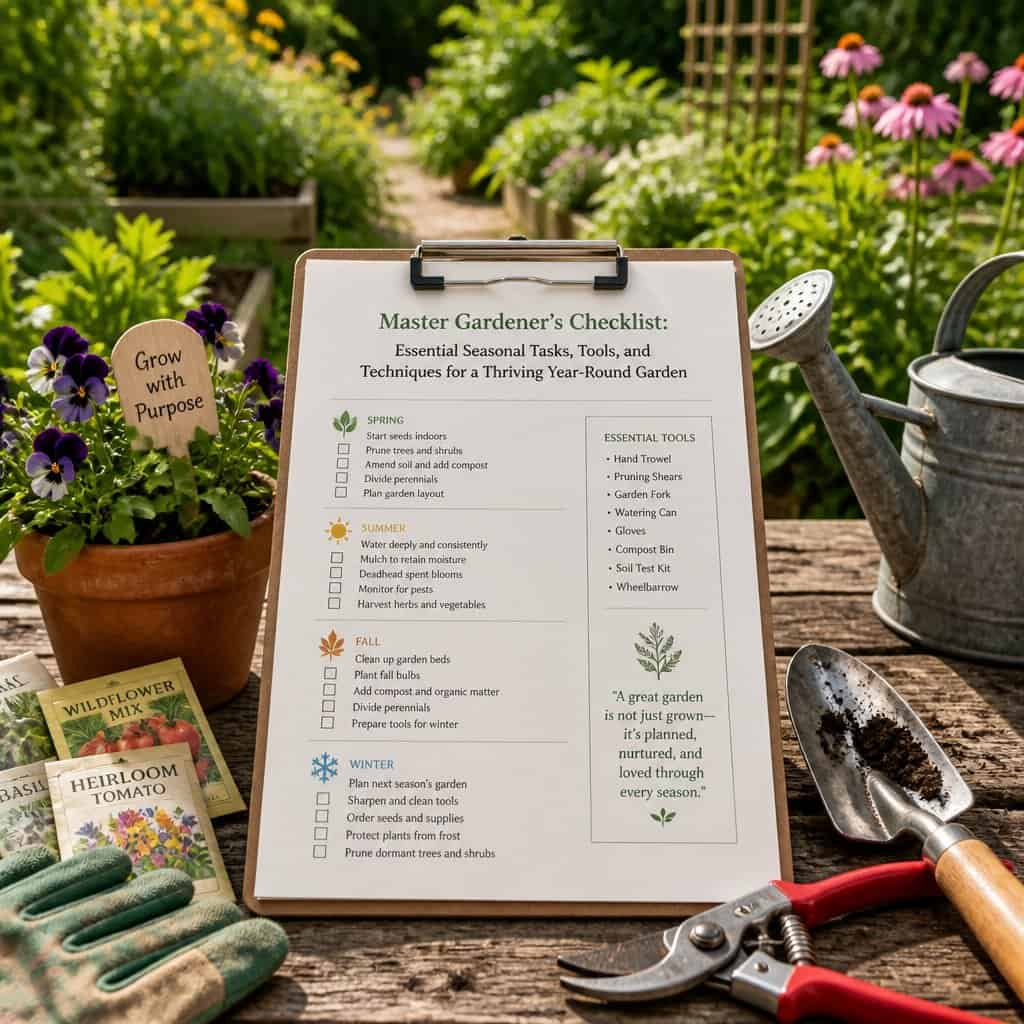
The right tools for each task make your work way easier. Whether you’re deadheading flowers in summer, dividing perennials in fall, or starting seeds indoors during winter, the proper equipment saves you time and frustration.
Learning which tools fit each job and how to use them the right way really changes how you care for your garden through the seasons.
Key Takeaways
- Each season brings specific gardening tasks and tools for a healthy, productive garden all year
- Good equipment makes seasonal work easier and gives you better results outdoors
- Planning ahead for seasonal changes helps you stay organized and keeps your garden going strong, whatever the weather throws at you
Eco-Friendly Gardening Protects Nature and Saves Resources Today
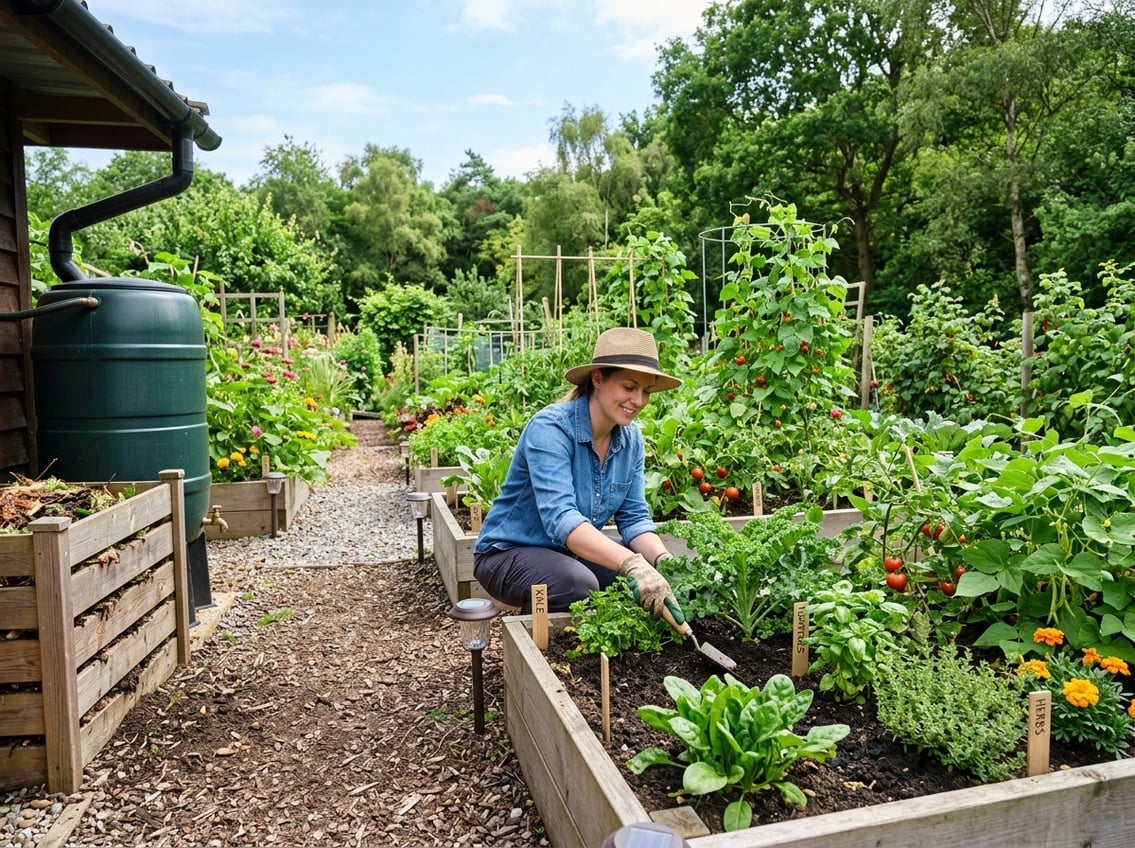
Sustainable gardening works with nature, not against it. You use fewer chemicals, less water, and create a space where plants and wildlife can thrive together.
Your garden’s size doesn’t matter much when it comes to making a difference. A small balcony garden can be just as eco-friendly as a big backyard.
Sustainable gardening almost takes care of itself once you set up the right systems.
Spring brings new growth—and plenty of work. Clean, sharp pruning shears help you cut back shrubs and trees the right way.
Deadheading flowers keeps them blooming longer. It also prevents energy waste on spent blooms.
Plant annuals after the last frost. Use a soil thermometer to check if the ground’s warm enough for seeds.
A good hand
Summer Garden Care
Hot weather means more watering and maintenance. Keep deadheading flowers to encourage blooms all season.
Harvest herbs in the morning after the dew dries for the best flavor. Mulch your beds with wood chips or straw to keep soil moist and block weeds.
This mulch adds nutrients as it breaks down. A soaker hose delivers water right to the roots and saves water compared to sprinklers.
Fall Preparation Work
Fall is for dividing perennials that have gotten too big. Use a sharp spade or garden knife to cut through roots cleanly.
Plant spring-flowering bulbs before the ground freezes. Gather fallen leaves with a rake or blower, shred them with a mower, and add them to compost or use as mulch.
This free material improves soil and keeps waste out of landfills.
Winter Planning Period
Protect sensitive plants with burlap screens or frost blankets. These shield plants from cold wind and heavy snow.
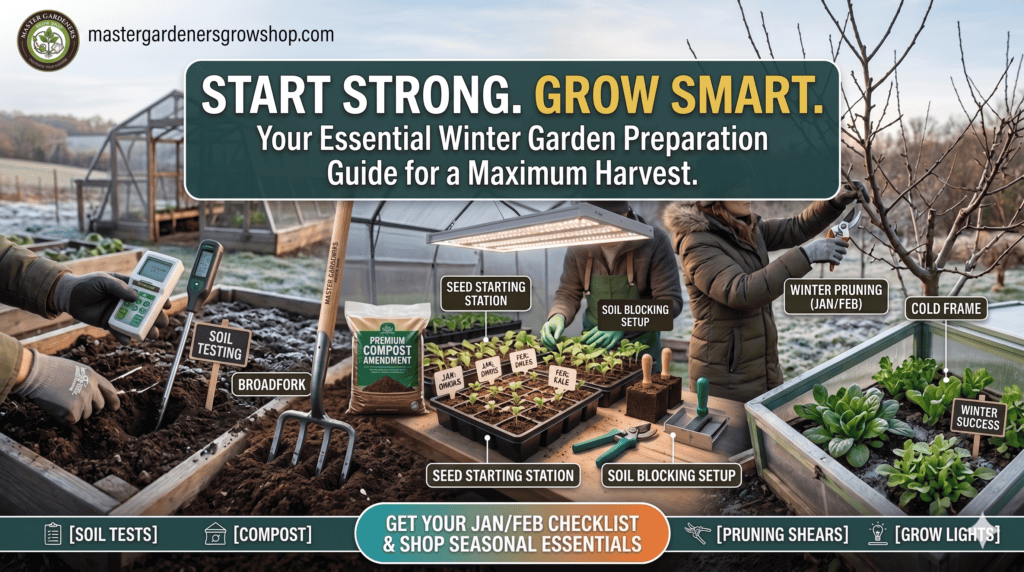
Move containers to sheltered spots or wrap them with insulation. Start seeds indoors under grow lights about six to eight weeks before your last frost.
Use seed trays with drainage holes and good potting mix. Plan your garden layout on paper during the quiet winter months.
Making changes in your garden helps protect the environment while reducing your workload. Native plants need less water and attract beneficial insects.
Rain barrels collect free water for irrigation. Composting kitchen scraps and yard waste creates nutrient-rich soil amendments.
A simple compost bin or tumbler speeds up decomposition. You save money on fertilizers and cut down on trash.
Natural pest control methods protect helpful insects and pollinators. Hand-pick big pests, use row covers to block insects, or spray plants with water to knock off aphids.
Companion planting helps certain plants protect each other from pests.
Quality tools last longer and just work better than cheap ones. Stainless steel tools resist rust and are easy to clean.
Ergonomic handles reduce strain during long garden sessions. A soil test kit shows what nutrients your soil needs, so you avoid over-fertilizing and save money.
Drip irrigation systems deliver water efficiently and can hook up to timers. Manual push mowers eliminate gas and noise pollution, while electric models work well for bigger lawns.
Both give you a bit of exercise while you care for your yard.
Water deeply but less often to encourage deep root growth. This makes plants more drought-resistant.
Group plants with similar water needs together for more efficient watering. Choose drought-resistant plants for dry spots in your yard.
These plants thrive with minimal watering once they’re established. Succulents, ornamental grasses, and many herbs handle dry conditions well.
Grass clippings add nitrogen when you leave them on the lawn. Mulching mowers chop clippings finely so they break down fast.
This saves you from bagging and gives you free fertilizer.
Pick Sustainable Garden Equipment
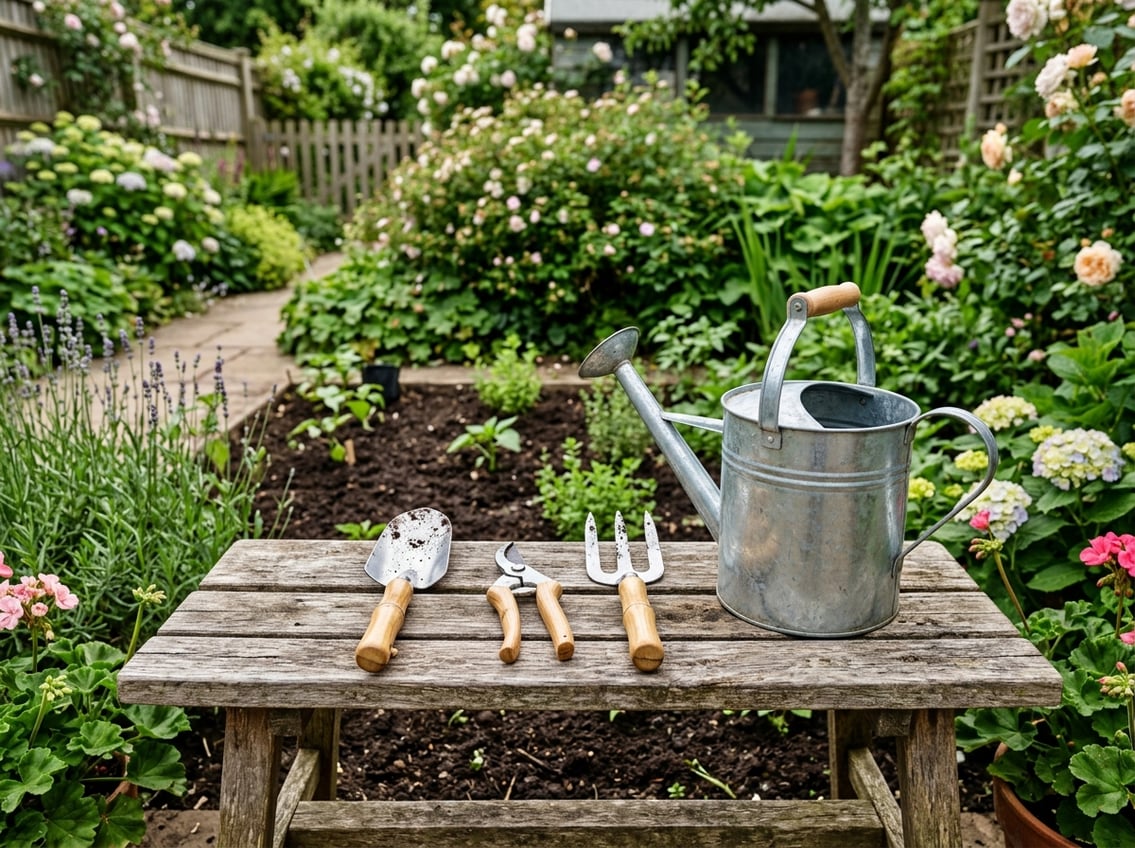
Choosing the right garden equipment matters for your yard and the planet. Try this 3-in-1 Quality Garden Tool Set, along with a stylish Garden Tool Bucket Caddy designed to hold your handy tools and built to last for many years.
They help you avoid buying replacements every season.
Picking and Working With Green Garden Equipment:
Look for natural handle materials. Tools made with bamboo or wooden handles break down naturally when you eventually toss them.
These renewable materials work well for pruning shrubs in spring or dividing perennials in fall.
Buy durable hand tools you can fix. Quality manual pruners, hoes, and forks serve you through every season.
You need strong tools for planting annuals in spring and mulching beds in summer.
Skip gas-powered machines. Manual equipment produces zero emissions and works quietly while you deadhead flowers or harvest herbs.
Keep your tools clean. Regular cleaning and oiling of metal parts extends tool life.
This simple step helps your equipment work better when you plant bulbs in fall or protect sensitive plants in winter.
2. Conserve Water in Your Yard
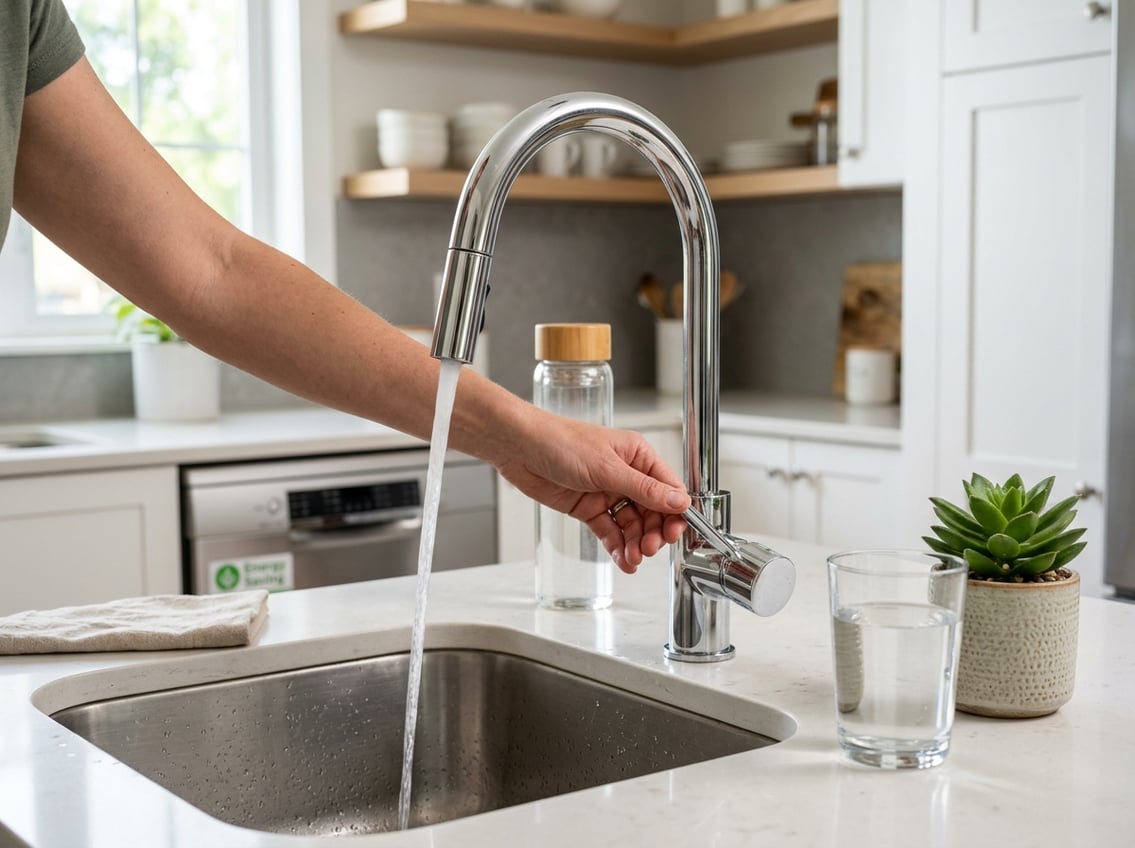
Water costs money and affects the planet. Smart watering habits cut your utility bills and help protect local water supplies.
Garden Watering Strategies:
Collect Rainwater: Place a rain barrel under your gutter’s downspout to catch rainfall.
You can use this free water to irrigate beds and containers all season.
Choose Drip Systems: Water-saving technologies like drip irrigation or soaker hoses send moisture straight to the roots.
This method cuts evaporation compared to sprinklers.
Time Your Watering: Water your plants early in the morning or in the evening when it’s cooler.
Less water will evaporate before reaching the roots.
Apply Mulch: Spread mulch around your plants to hold moisture in the soil.
This means you won’t need to water as often.
Spring Tasks: Install rain barrels and set up drip lines before planting season starts.
Summer Maintenance: Water deeply but less often during hot months. Check soil moisture before watering.
Fall Preparation: Mulch beds heavily to keep moisture in during winter dormancy.
3. Add Natural Materials to Improve Your Soil
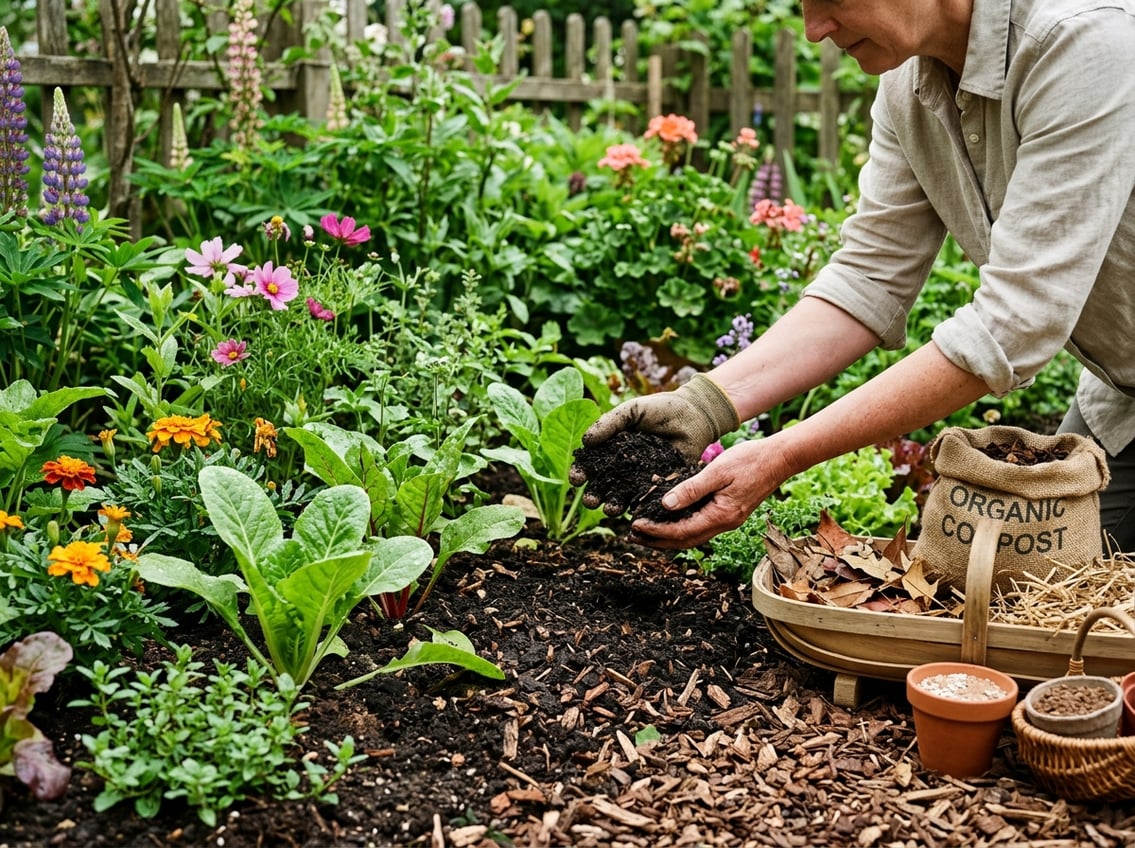
Building Better Soil With Natural Methods:
Natural materials help your soil hold more water and nutrients. They also cut down on chemical runoff into local waterways.
Begin a compost system: Set up a bin for kitchen scraps—think fruit peels, veggie trimmings, coffee grounds, and eggshells. Toss in yard clippings, too. Turn the pile every couple of weeks to help it break down faster.
Feed plants with a gourmet planting mix and organic compost. Organic soil amendments like bone meal and blood meal provide nutrients without synthetic additives. Just follow the label for how much to use.
Layer mulch across planting areas: Spread two or three inches of straw, wood chips, or shredded leaves around your plants. This covering blocks weeds and keeps soil moisture from evaporating in the heat.
Try these methods in spring when prepping beds and keep at it through summer. When fall arrives, add amendments made from natural materials as you wind things down for winter.
Support a Thriving Ecosystem
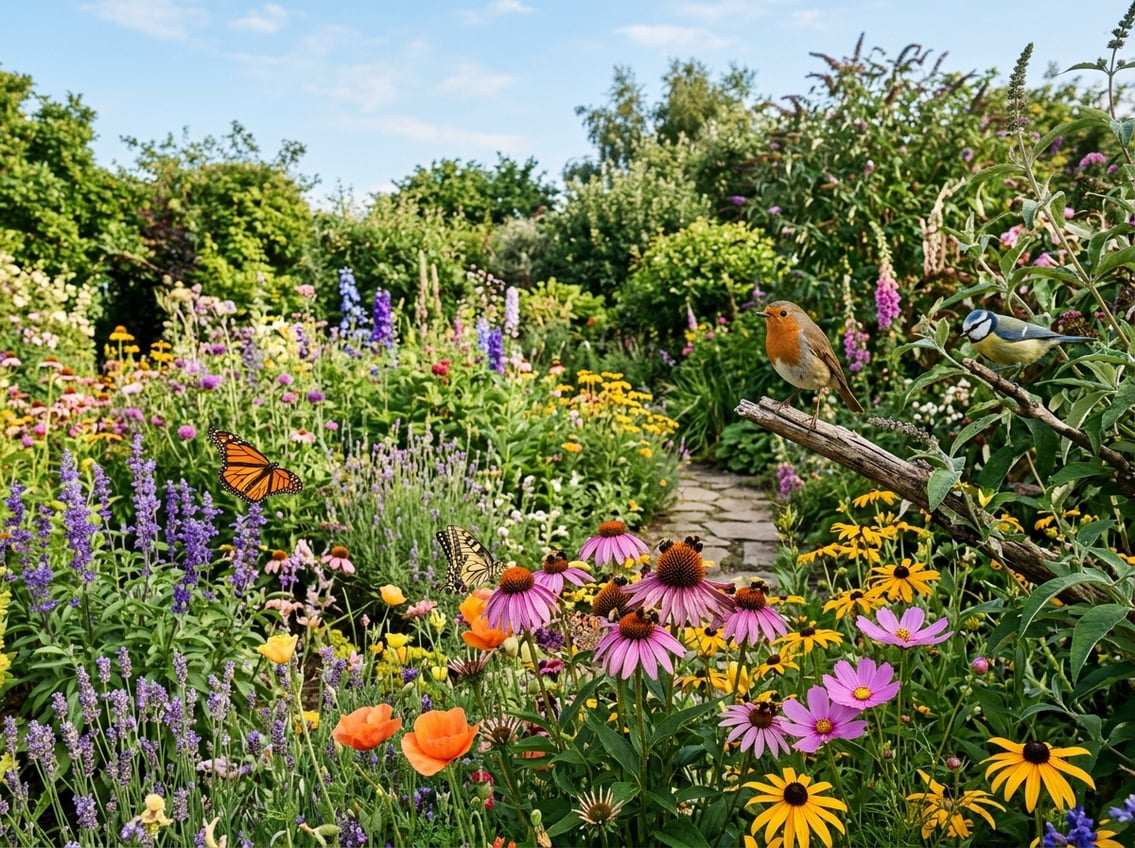
Drawing Wildlife That Helps Your Garden:
A diverse garden builds up natural systems that help your plants. Pollinators visit flowers, and helpful insects keep pests in check.
Choose regional plants that thrive in your climate zone. These need less water and care, plus they feed local bees and butterflies.
Native wildflowers bloom when pollinators need them most, especially in spring and summer.
Build homes for garden allies by adding simple structures:
- Bee hotels made from hollow bamboo tubes
- Birdhouses placed near trees or shrubs
- Butterfly feeders with sugar water or overripe fruit
- Rock piles that give ground beetles a place to hide
Skip chemical pesticides and try natural pest control instead. Plant marigolds near veggies to keep aphids away. Nasturtiums lure aphids off your other crops. Release ladybugs—they love eating harmful bugs. Grow herbs like basil and dill to bring in predatory wasps that handle caterpillars.
When fall rolls around, leave some leaf litter and plant stems standing through winter. These give helpful insects a place to stay safe until next season.
5. Cut Down on Waste and Reuse Garden Materials
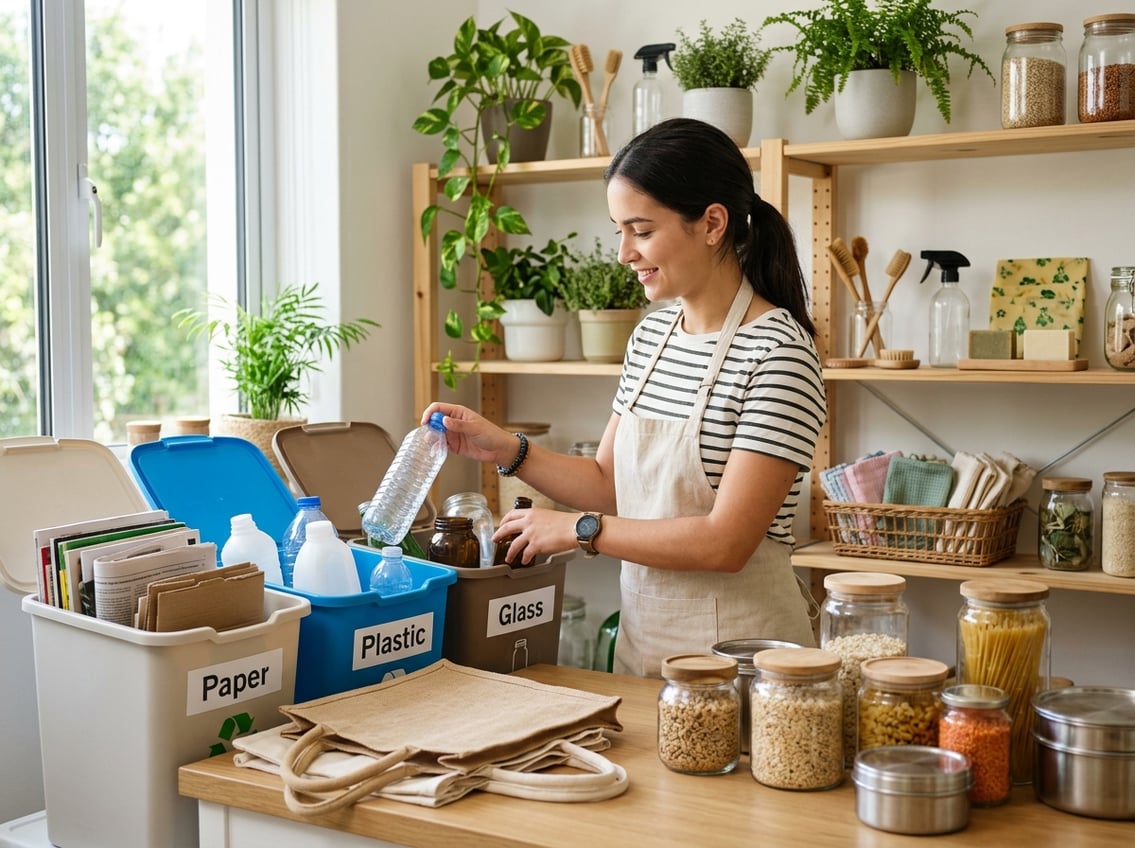
Smart Ways to Reduce Garden Waste:
You can lower your environmental impact and keep more money in your pocket by cutting back on waste in your garden.
Repurpose everyday items as planters. Old buckets, wooden crates, and shipping pallets make excellent containers for plants and raised beds.
This approach keeps usable items out of landfills while giving you free garden supplies. It’s kind of satisfying to see something get a second life, isn’t it?
Collect and store seeds from your best plants. At the end of each growing season, gather seeds from your healthiest vegetables and flowers.
Just tuck them in paper envelopes and stash them somewhere cool and dry. That way, you’ll have free seeds ready to plant next spring—no need to buy new packets every year.
Turn garden debris into useful materials. Shred fallen branches and dried leaves with a chipper or mulching mower.
Spread this material around your plants as mulch, or toss it in your compost bin. It’s a simple way to follow the principles of reducing and reusing waste instead of just tossing organic matter in the trash.