
We’re inspired by our wonderful Zone 7b Southwest Region gardening family, who are sharing their most incredible garden bed designs and stunning plant tips.
We reached out to Southwest Region experts for a closer look at the fantastic plants they’re cultivating.
We sought fresh inspiration and tips on what’s Blooming Beautifully in New Mexico, along with new garden ideas to showcase for new gardeners.
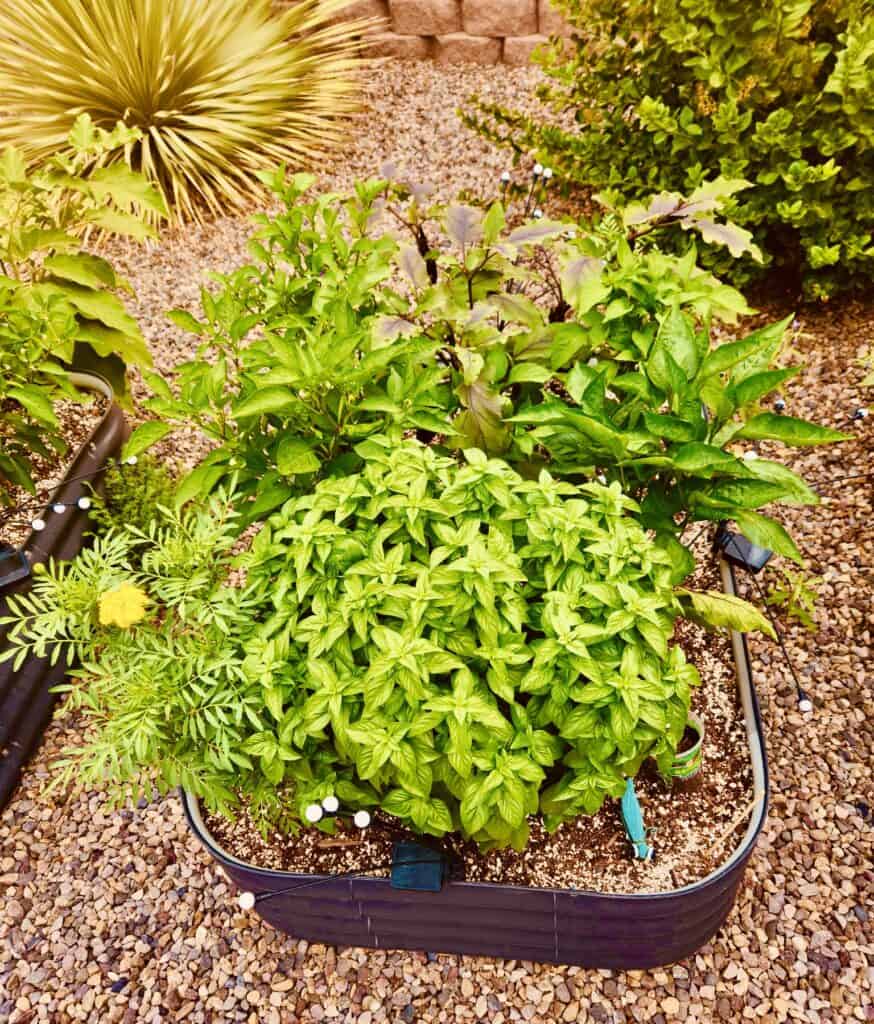
If you want plants that reliably bloom and produce in New Mexico’s beautiful Southwest, start with eggplant, tomatoes, peppers, basil, and Mexican sunflowers, which shrug off heat, alkaline soil, and thin high-desert air better than most garden-center favorites.
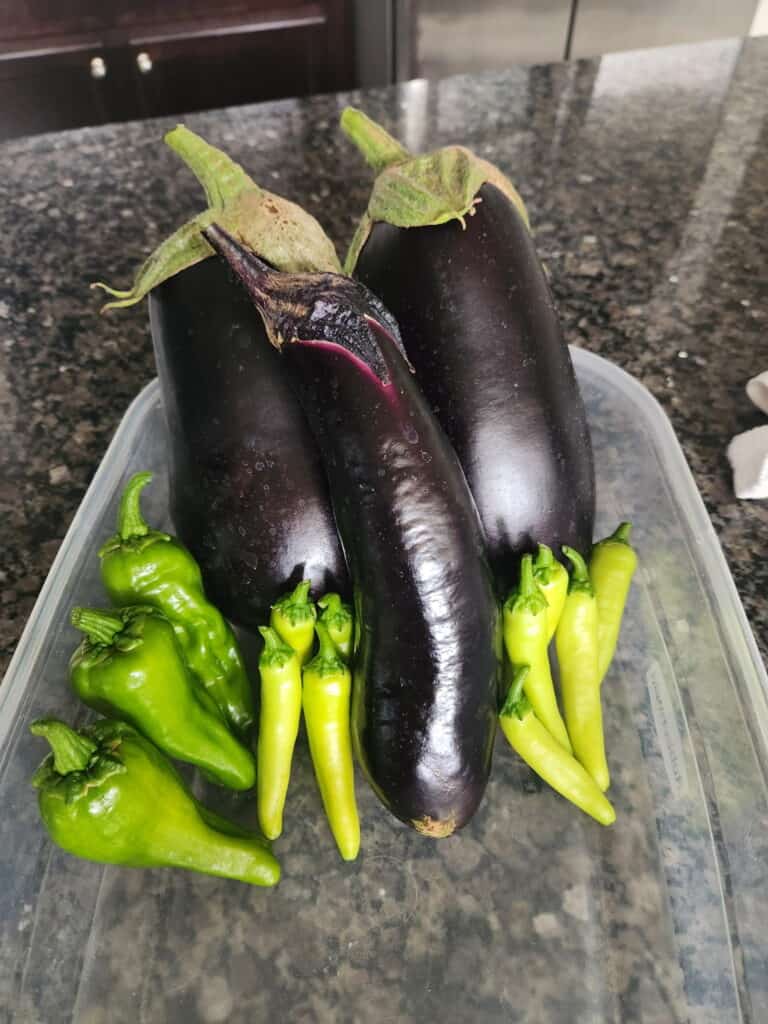
Japanese and globe eggplant top our list every year. They keep setting fruit when afternoon temperatures climb past 95°F and other plants sulk.
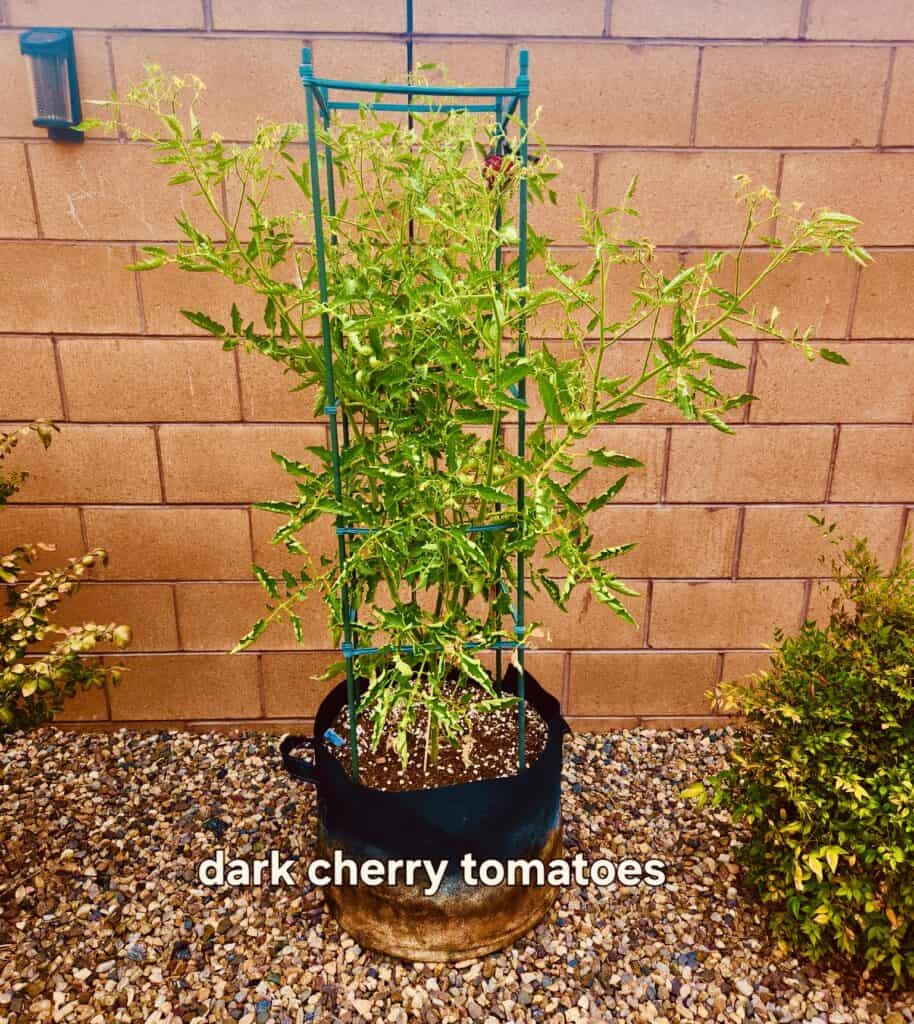
Our garden has become a place of cherished moments. Picking dark cherry tomatoes with sticky fingers. Watching butterflies fight over Mexican sunflowers throughout the day.
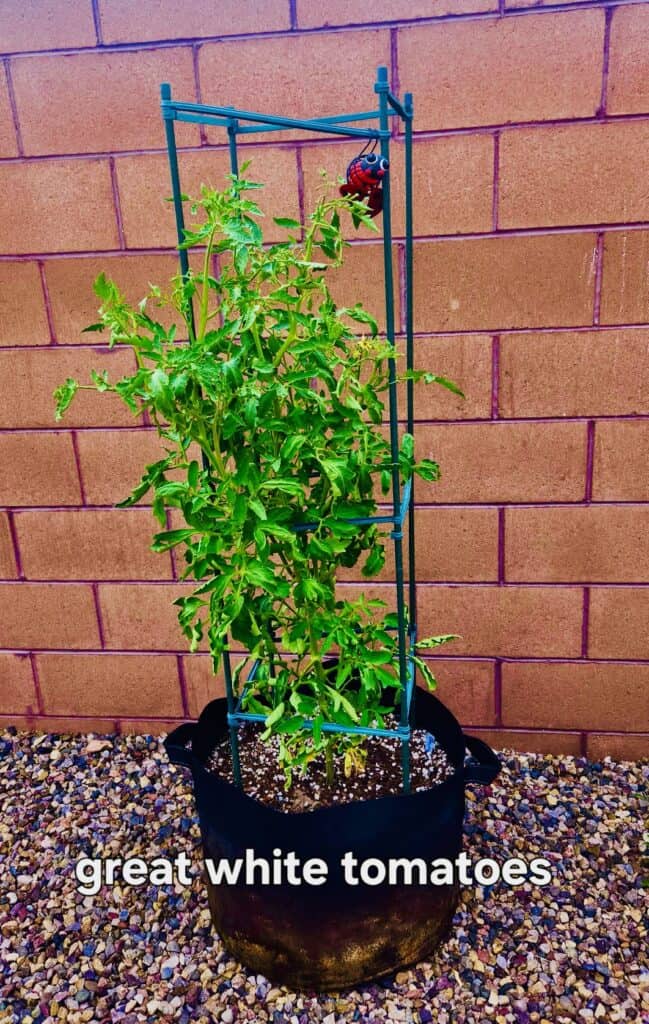
Tomatoes earn their space because the family eats them faster than we can harvest. We grow Great White for slicing, plus cherry and dark cherry types for snacking straight off the vine.
Peppers are just as dependable. Shishito, bell, jalapeño, and a couple of mystery varieties whose labels we lost all keep producing through the hottest stretch of summer.
Sweet basil grows so easily it feels like cheating, and it turns into pesto pasta by the bowlful. Thai basil holds up even better in heat and flowers beautifully.
For color, marigolds and Mexican sunflowers do the heavy lifting. Cosmos germinate fast and look lovely, though ours struggled with this summer’s heat.
Generic advice written for rainy climates will let you down here. By the end of this, you’ll know which plants to pick, when to put them in the ground, and how to keep them alive through frost, wind, and relentless sun.
Understanding the New Mexico Climate for Gardeners
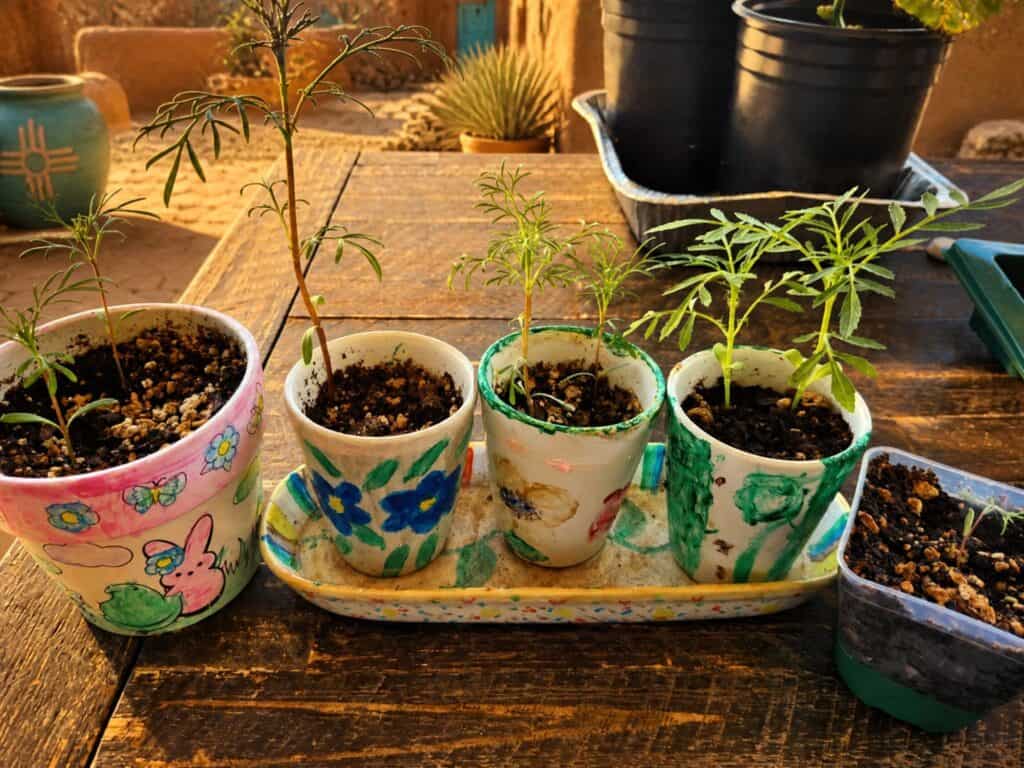
New Mexico gardening comes down to four forces: elevation, wild temperature swings, brutal UV, and alkaline soil. Learn how each one behaves on your property, and choosing plants gets much easier.
Why Zone 7b Behaves Differently Up Here
Zone 7b in New Mexico sits between roughly 5,000 and 7,000 feet, making it a completely different animal from Zone 7b in Virginia. Hardiness zone numbers describe winter cold, not thin air or dry wind.
Your frost-free window runs about 150 to 180 days, and the start and end dates shift from year to year. New Mexico spans USDA zones 4 through 9 depending on elevation, so your neighbor 20 miles uphill may live in a full zone colder.
Humidity often sits below 20%. Plants lose water through their leaves faster than you expect, and even so-called drought-tolerant imports need help during their first season.
Temperature Swings and Frost Timing
A 30- to 40-degree swing between afternoon and dawn is normal. Ninety degrees at 2 p.m. and 55 degrees by sunrise can stress plants that prefer steady warmth.
Spring is the sneaky season. Warm March afternoons tempt you to plant, then a hard night in late April flattens everything.
Frost dates to plan around:
- Last spring frost: late April through mid-May
- First fall frost: mid-October through early November
- Frost-free stretch: roughly 150 to 180 days
Fall brings warm days and cool nights. Lettuce and broccoli love that pattern, but tomatoes and peppers slow way down.
Sun Intensity and UV Damage
Sun exposure at this elevation causes real, visible damage. Above 5,000 feet, less atmosphere filters the sunlight.
Tomatoes develop pale sunscald patches, while pepper leaves bleach to a washed-out yellow-green. Young transplants moved straight from a shady nursery bench into open sun can fry in two days.
Harden seedlings off over a full week, adding an hour of direct sun at a time. A 30% to 50% shade cloth over tender crops during July and August prevents most scorching.
Soil Composition and High pH
Most New Mexico soil tests between pH 7.5 and 8.5, while garden plants prefer 6.0 to 7.0. That gap locks nutrients away where roots can’t reach them.
Watch for these signs:
- Iron deficiency: yellow leaves with green veins
- Zinc deficiency: stunted, bunched growth
- Phosphorus tied up and unavailable
- Manganese locked out
Clay is common, as is caliche, a cement-hard layer that roots can’t punch through.
Add compost every year, and consider raised beds filled with imported soil if your ground fights back. Choosing the right soil and fertilizer makes a bigger difference here than almost anywhere else.
Grow a Stunning Garden in New Mexico
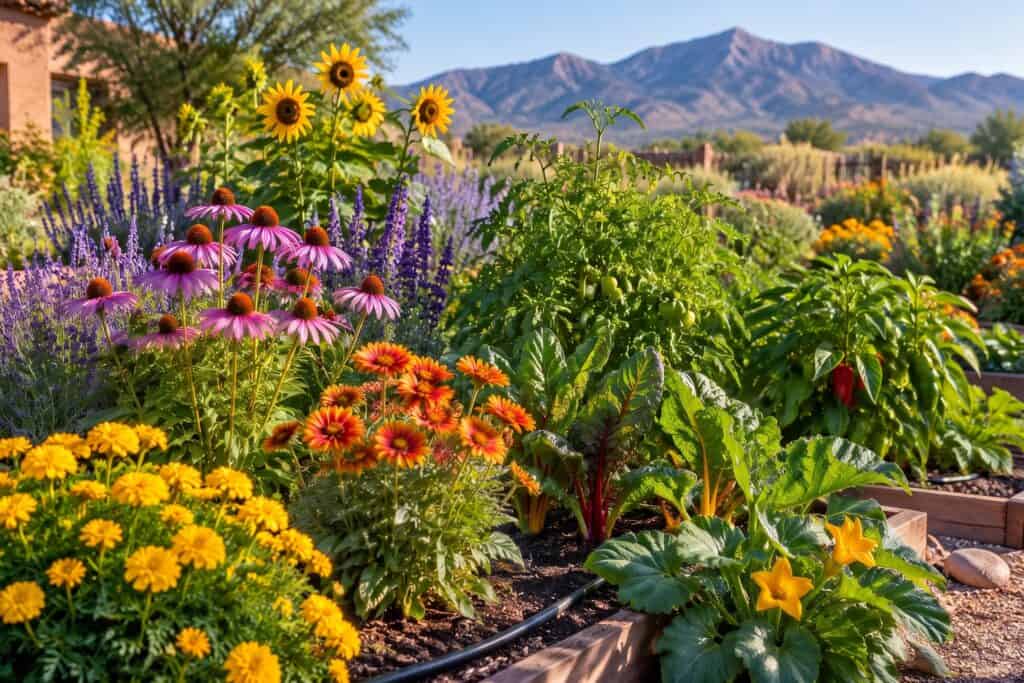
Essential Qualities of Resilient Blooming Plants
The best plants for a stunning garden that last in New Mexico share three traits: they handle dry soil, welcome intense sun, and pull nutrients from high-pH ground. Miss one, and you’ll be replacing that plant next spring.
Drought Tolerance and Water Efficiency
Water is the limiting factor in almost every New Mexico garden, so the best performers bloom with very little of it. Once established, they coast through dry weeks.
Look for these physical clues:
- Deep taproots that chase moisture far below the surface
- Thick or waxy leaves that slow evaporation
- Silver or gray foliage that bounces sunlight away
- Small, narrow leaves with less surface area for water loss
Marigolds and Mexican sunflowers both handle dry spells well once their roots settle in.
Mexican sunflowers in our garden went a full week between waterings in August and kept pumping out orange blooms.
Heat and Sun Adaptability
Heat stress shows up as dropped flowers, curled leaves, and stalled growth. The plants worth your money treat 95°F as ordinary weather.
Eggplant is our champion here. Japanese and globe eggplant kept flowering and fruiting through the worst of summer while nearby cosmos wilted and sulked.
Thai basil handles heat better than sweet basil, though both grow well. Shishito and jalapeño peppers also keep setting fruit when nights stay warm.
Cosmos taught us a lesson this year. They germinate in days and bloom happily in June, then struggle once real heat arrives. Plant them early or give them afternoon shade.
Soil Preferences for Alkaline Ground
Alkaline soil changes what plants can absorb, especially iron. Species adapted to limestone and desert soils have root chemistry that helps free nutrients without your help.
Practical rules for high-pH beds:
- Choose natives and Southwest-adapted species first
- Mediterranean plants used to limestone do well
- Skip acid-lovers like azaleas and blueberries entirely
Tomatoes, peppers, and basil all grow fine at pH 7.5 as long as you add compost and watch for iron deficiency on the newest leaves.
Top Easy-Growing Perennials for Abundant Blooms
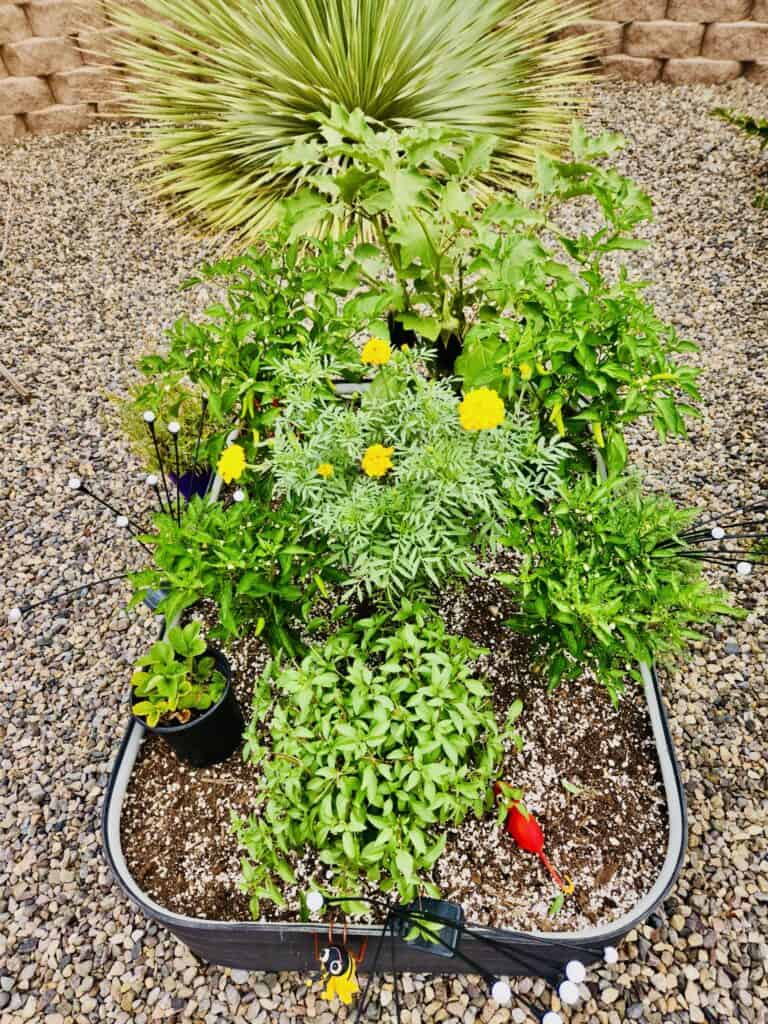
Perennials give you color year after year without replanting, and the right ones need almost no attention once their roots go deep. Pair them with your vegetable beds to bring in pollinators that boost tomato and pepper yields.
Reliable Bloomers for Hands-Off Yards
Yarrow is the workhorse. Flat-topped clusters of white, yellow, pink, or red flowers appear in June and keep going through September. The ferny leaves still look good between flushes.
Blanketflower (Gaillardia) opens red-and-yellow pinwheels from June to October on 12- to 18-inch stems. It tolerates bad soil, heat, and neglect, and the flowers cut beautifully for a jar on the kitchen table.
Black-eyed Susans grow in nearly any soil and bloom from June into October. Their yellow petals and dark centers bring in bees and butterflies all season.
Autumn sage (salvia greggii) stays 2 to 3 feet tall and blooms red, pink, coral, or white from spring until frost. Hummingbirds work it constantly.
Native Species That Thrive Here
Penstemons are the single best native bet for New Mexico gardens. Rocky Mountain penstemon offers blue-purple spikes, while firecracker penstemon sends up scarlet tubes that hummingbirds can’t resist.
The Native Plant Society of New Mexico maintains plant profiles for central New Mexico that list natives chosen to support local pollinators.
Other natives worth planting:
- Showy milkweed and swamp milkweed feed monarch caterpillars
- Blackfoot daisy makes a tidy white-flowered mound
- Chocolate daisy smells like cocoa in the morning and blooms from spring to fall
- Blue flax opens sky-blue flowers each morning
- Rocky Mountain bee plant draws native bees in crowds
- Prairie coneflower and Maximilian sunflower add late-summer height
- Wild bergamot and agastache pull in bees and hummingbirds together
- Blue grama grass gives movement and seed heads
Monarch nectar plants for New Mexico include asters, goldenrods, blazing star, and the New Mexico sunflower. Leave hollow stems standing over winter, and cavity-nesting bees will use them.
Long Bloom Windows Through the Season
Stagger bloom times so something is always flowering. A New Mexico wildflower seed mix sown in fall gives you a broad spread with almost no work.
Season-long coverage:
| Season | Dependable bloomers |
| Spring | Penstemons, blue flax, chocolate daisy |
| Summer | Yarrow, blanketflower, agastache, wild bergamot |
| Late summer | Maximilian sunflower, prairie coneflower, Rocky Mountain bee plant |
| Fall | Asters, goldenrods, autumn sage |
Deadhead blanketflower and coneflower every few days in July to encourage a second wave. If you’re new to perennials, these easy-to-grow plant picks offer a low-risk starting point.
Best Annuals That Excel in New Mexico’s Unique Environment
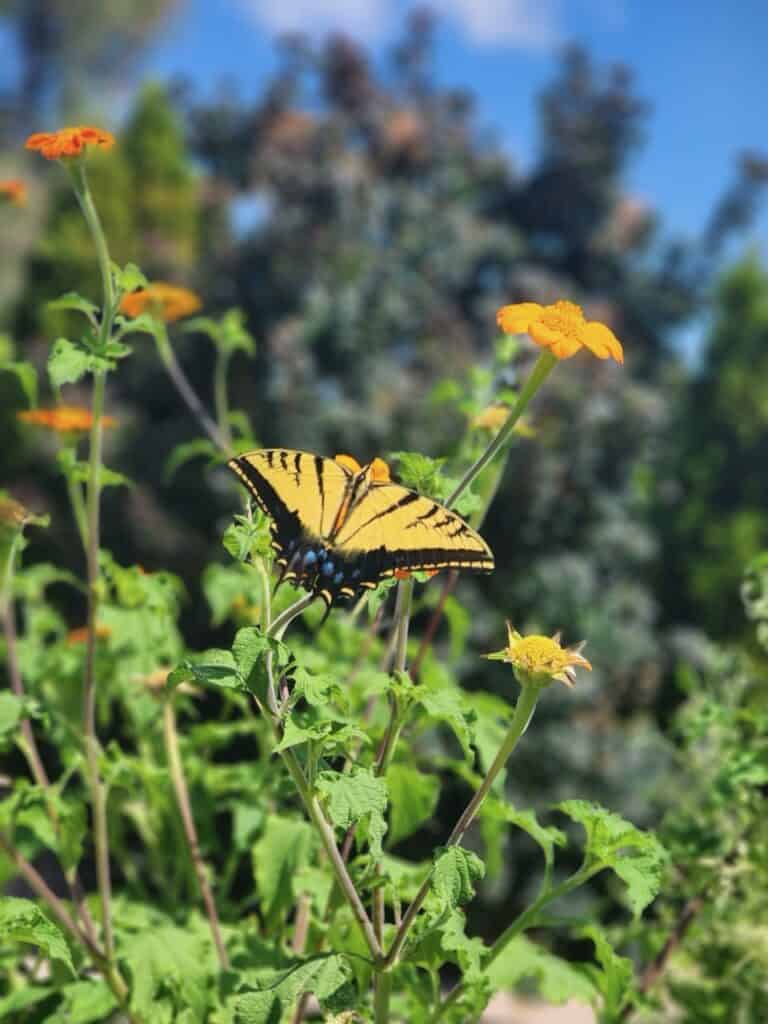
Annuals carry the garden from late spring through frost. In New Mexico, they also attract pollinators to your vegetables. Our three go-to flowers are Mexican sunflowers, marigolds, and cosmos, planted right alongside the tomatoes and peppers.
Heat-Loving Flower Picks
Mexican sunflowers are our favorite flowers in the whole garden. Tithonia shoots up quickly, covers itself in hot orange blooms, and brings hummingbirds, butterflies, and bees from late summer until frost.
Be warned about their size. Ours grew tall enough to shade neighboring plants, so give them the back of the bed and plan to stake them. Mexican sunflower seeds germinate readily in warm soil.
Marigolds handle alkaline soil without complaint and bloom heavily from late spring to frost. French types stay compact along bed edges, while African types grow tall for the back row. Their scent seems to bother some garden pests.
Desert marigold is the tougher native cousin. It stays under a foot tall and blooms almost year-round during mild winters.
Colorful Seasonal Displays
Cosmos are the easiest flowers we grow from seed. They produce pink, white, and orange blooms on feathery foliage, and they germinate in just a few days.
They didn’t love this summer’s New Mexico heat. Ours slowed dramatically in July, then perked back up in September. Sow them early and expect a midsummer pause.
Cosmos reseed themselves, so volunteers show up next spring for free. That’s flower color with almost zero effort.
A wildflower seed mix for partial shade fills awkward spots along east walls where full-sun annuals sulk.
Fast Vegetables and Quick Wins
Annual vegetables carry our garden. Eggplant is our runaway favorite because it laughs at the heat. Japanese eggplant produces long, slender fruit nonstop, while globe eggplant gives you the big ones for grilling.
Tomatoes go in every year without discussion. Great White works for slicing, while cherry and dark cherry varieties are perfect for eating in the garden. Peppers include shishito, bell, jalapeno, and two varieties whose labels we lost.
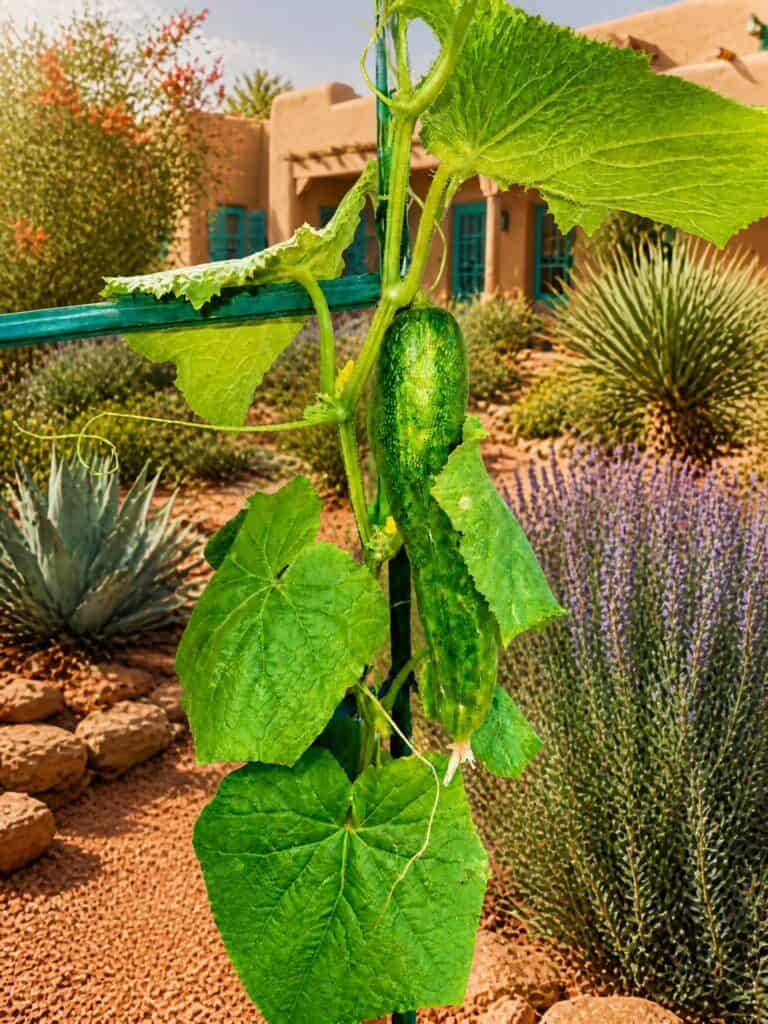
Sweet basil grows fast and becomes pesto pasta. Thai basil handles heat even better. Japanese cucumber climbs a trellis and stays tender in hot weather.
Sunflowers sprout within a week and reach full height in 60 to 90 days. For fall, plant kale in late summer; it sweetens after the first frost, along with other cool-season crops.
Create Your Dream Boarder Design
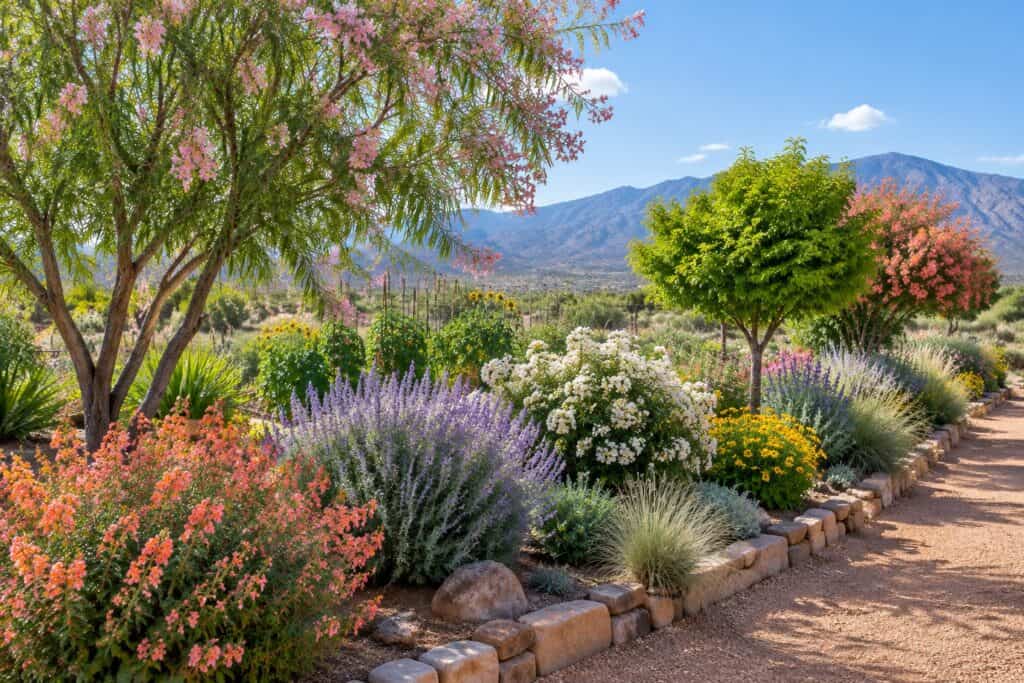
Proven Shrubs and Small Trees for Attractive Borders
Shrubs and small trees give your borders structure that annuals can’t. Desert-adapted varieties need water only during their first year or two. Plant them as the garden’s bones, then fill in around them with flowers and vegetables.
Flowering Shrubs That Ask for Little
Apache plume is the shrub we recommend first. White flowers open in late spring, then feathery pink seed heads glow through summer on a 3 to 5 foot frame. Established plants need almost no irrigation.
Rabbitbrush explodes into golden yellow in September, when little else blooms. Bees swarm it. It reaches 3 to 5 feet and handles even the worst soil.
Ceanothus offers blue flower clusters in spring and evergreen leaves year-round. Give it good drainage, and avoid overwatering.
Buttonbush suits low, damp spots such as the bottom of a swale. It produces round, white pincushion flowers that butterflies work over in summer.
For structure without flowers, yucca and agave anchor a border with sculptural form. Juniper provides year-round green and windbreak value. A few tough succulents tucked between stones can handle spots where nothing else survives.
Roses can work here if you choose wisely. Native Woods’ rose blooms pink in June, sets red hips in fall, and avoids the diseases that plague hybrid teas in dry air.
Desert-Adapted Small Trees
Desert willow is the standout small tree for New Mexico. It produces orchid-like flowers in pink, burgundy, or white from May into September, reaches 15 to 25 feet, and handles temperatures above 100°F with ease.
Gardenia’s regional guidance notes that natives like yucca, blue grama, and Apache plume come pre-adapted to local soil and climate.
New Mexico olive grows 10 to 15 feet and leafs out early with small yellow flowers. Birds strip the blue-black berries in summer.
Chitalpa crosses desert willow with catalpa to produce big pink or white trumpet flowers all summer on a 20 foot tree. It wants a bit more water than desert willow.
Space these trees roughly 15 feet apart. Before you buy, it pays to evaluate nursery plants carefully so you start with healthy roots.
Smart Planting and Timing Strategies
Soil temperature beats the calendar when you’re deciding when to plant in New Mexico. Push a thermometer four inches into the bed and let that reading guide you.
Planting Windows That Produce
Wait for 60°F soil before setting out tomatoes, peppers, eggplant, basil, and Mexican sunflowers. In most Zone 7b areas, that happens between late April and mid-May.
Plant cold-hardy varieties 4 to 6 weeks before the last frost, which usually means mid-March to early April.
Your working schedule:
- March 15 to April 1: Cool-season annuals and greens
- April 15 to May 15: Native perennials and penstemons once soil warms
- May 1 to June 1: Heat lovers including eggplant, peppers, cosmos, and Mexican sunflowers
Eggplant is the last thing we plant. It sulks in cool soil, then takes off once nights stay above 55°F.
New Mexico State University’s home vegetable gardening circular covers direct seeding versus transplanting for the state’s conditions.
A little garden planning before the season saves you from buying transplants you have nowhere to put.
Guarding Seedlings Against Late Frost
Frost can hit as late as May 15 in parts of Zone 7b, so keep row covers or old bedsheets within reach through mid-May.
Water thoroughly before a predicted frost. Moist soil stores daytime heat and releases it overnight.
Reduce transplant shock by planting on a cloudy afternoon and watering immediately. Seedlings moved in midday sun droop badly.
Frost night routine:
- Cover plants by 5 p.m.
- Use stakes so fabric stays off the leaves
- Pull covers by 10 a.m. the next morning
- Move containers against a south-facing wall
If frost nips tender growth, wait a week before cutting. Plants often push new shoots from undamaged stems below the damage.
Staggering Bloom Season and Harvests
Sow cosmos, marigolds, and sunflowers every two to three weeks from April through June so the bloom season never has gaps.
Mix early, mid, and late bloomers in one bed. Penstemons and blue flax handle spring, blanketflower and yarrow fill summer, and asters and goldenrods finish the year.
Deadhead cosmos and marigolds every few days. Pick eggplant and cucumbers while they’re young to keep the plants producing.
Around late August, start a second round of cool-season annuals and kale for fall color and harvest.
Microclimates and Garden Design Tips
Your yard already has several distinct growing zones, and using them well costs nothing. The strip along a south wall runs warmer than open ground. Soil under a tree can hold moisture for days longer.
Building Shade and Wind Protection
Wind pulls moisture from soil and leaves faster than sun alone. A fence, hedge, or row of tall plants noticeably cuts wind speed and creates a calmer pocket where temperatures stay steadier.
Shade cloth rated 30% to 50% over vegetable beds drops temperatures by roughly 10 to 15 degrees during peak summer. We run it over peppers and cucumbers in July.
Mexican sunflowers and corn provide living shade on the south and west sides of shorter plants. Plan for their mature size before sowing, because our tithonia shaded a row of basil we hadn’t accounted for.
Walls soak up heat all day and release it at night, extending the season by a couple of weeks at each end. Put tomatoes and peppers near a south-facing wall.
Keep beds at least 6 feet from tree trunks so roots don’t compete for water. Deciduous trees on the south side provide summer shade while letting winter sun through.
Xeriscaping principles also help outside the vegetable beds. Group plants by water needs, and use shallow swales to slow runoff during monsoon downpours. Those swales also control erosion on slopes.
Mulching and Soil Amendments
A 3- to 4-inch layer of mulch is the highest-value thing you can do for New Mexico soil. Mulch keeps roots cooler, slows evaporation, and breaks down into the organic matter that alkaline ground needs.
Use wood chips, straw, or shredded leaves. Skip rock mulch in vegetable beds because it drives soil temperatures up.
Work 2 to 3 inches of compost into the soil before planting, then top-dress mid-season again. Elemental sulfur at 1 to 2 pounds per 100 square feet per year slowly nudges pH down.
Gypsum loosens clay without changing pH. Apply 5 to 10 pounds per 100 square feet, then water it in well.
Plenty of sustainable gardening practices fit naturally with this approach, since compost and mulch do double duty.
Low-Fuss Maintenance Practices
Smart watering, light pruning, and early pest scouting can cut your garden workload dramatically. Get these three habits right, and the rest of the season becomes much easier.
Efficient Irrigation
Drip irrigation is the clear winner in New Mexico because it puts water at the root zone with far less evaporation than overhead sprinklers. Run it early, around 5 to 7 a.m., so plants can stock up before the heat arrives.
Water deeply and less often. Shallow daily sprinkles create shallow roots that can’t handle a hot week.
Watering targets:
- Vegetables: 1 to 2 inches per week, split over one or two sessions
- Established natives: every 10 to 14 days
- New transplants: light water daily for the first week
Use a timer, then check moisture by pushing a finger 2 inches into the soil. Waterlogged beds invite root rot, especially in clay, so let the surface dry between sessions.
Two to three inches of mulch stretches the time between waterings and smothers weeds. Our summer watering and pest guide goes deeper on peak-season schedules.
Pruning for More Flowers and Fruit
Deadheading redirects a plant’s energy from seed-making back into flowers. Pinch spent blooms from marigolds and cosmos every few days during peak season.
Cut perennials like autumn sage and penstemon back by a third in midsummer. Fresh growth can bring a second fall flush.
On eggplant and peppers, remove the lowest leaves that touch the soil to improve airflow. Pinch off basil flower spikes to keep leaves coming for pesto.
Make cuts just above a leaf node with clean, sharp pruners. Go easy on natives; they do fine with minimal pruning.
High Desert Pests and What Works
Tomato hornworms surprised us this year by eating eggplant leaves, not just tomato leaves. Handpick them in the morning, when they’re easiest to spot.
Assassin bugs did real work in our garden, knocking down the hornworm population without any spray. Leave beneficial predators alone, and they earn their keep.
Aphids cluster on new growth. Blast them off with a hose every few days, or release ladybugs.
Grasshoppers arrive in late summer and chew fast. Row covers over vegetables help the most.
Spider mites show up as tiny yellow speckles in hot, dry weather. Spraying foliage with water discourages them, while neem oil handles heavy outbreaks.
Squash bugs hide under leaves, so check the undersides each morning and crush egg clusters. For deer and rabbits, fencing beats every repellent, with rabbit wire buried a few inches deep.
Resources for Local Advice and Plant Material
The fastest way to shorten your learning curve is to talk with people who garden in your exact conditions. Local nurseries and extension offices know things no national gardening book can tell you.
Nurseries With Desert-Tested Stock
Independent nurseries in Albuquerque, Santa Fe, and Las Cruces carry varieties that already survive here. Their eggplant and pepper starts have been hardened to real New Mexico sun before you take them home.
Look for shops that grow their own stock or buy from regional growers. Those plants adjust faster than transplants trucked in from a humid climate.
Shop in early spring for the best selection. By late May, the good tomato and pepper varieties have usually sold out.
The state maintains a searchable low-water-use plant list of natives and adapted species recommended for New Mexico’s climate. It’s handy for checking a plant before you buy it.
Community Gardening Groups
Join a community garden, and you gain years of local knowledge in one season. Members already know when late frosts end in your neighborhood and which pests hit hardest.
County extension offices run Master Gardener programs that offer free advice. Seed swaps and club plant sales can get you proven varieties for less than retail.
Many extension offices keep demonstration gardens where you can see plants growing in soil like yours. Visit Albuquerque’s Area Extension Master Gardener Program, which lists local help with soil, pests, plant diseases, and growing fruits and vegetables.
Where to Learn More
New Mexico State University publications are the strongest reading for this state. Their growing zones and planting information circular explains which crops to direct-seed and which to transplant.
NMSU Cooperative Extension offices also handle soil testing and publish regional planting calendars, frost date tables, and pest management fact sheets.
For hands-on prep, our spring seed-starting and tool guide walks through starting tomatoes and peppers indoors ahead of that May planting window.
Wrapping Up
New Mexico rewards gardeners who work with the climate instead of fighting it. Eggplant, tomatoes, peppers, and basil handle the heat and alkaline soil. Mexican sunflowers, marigolds, and cosmos also attract the pollinators those vegetables need to produce.
Time your planting by soil temperature, keep row covers ready through mid-May, and mulch every bed 3 to 4 inches deep. Watch for hornworms on eggplant leaves, and leave assassin bugs alone when you find them.
Native perennials like penstemons, yarrow, blanketflower, and Apache plume fill the rest of your yard with color while using very little water. Get your soil tested at an NMSU extension office, then buy your starts from a local nursery in early spring, while the good varieties are still on the bench.